Plan the box before you start cooking
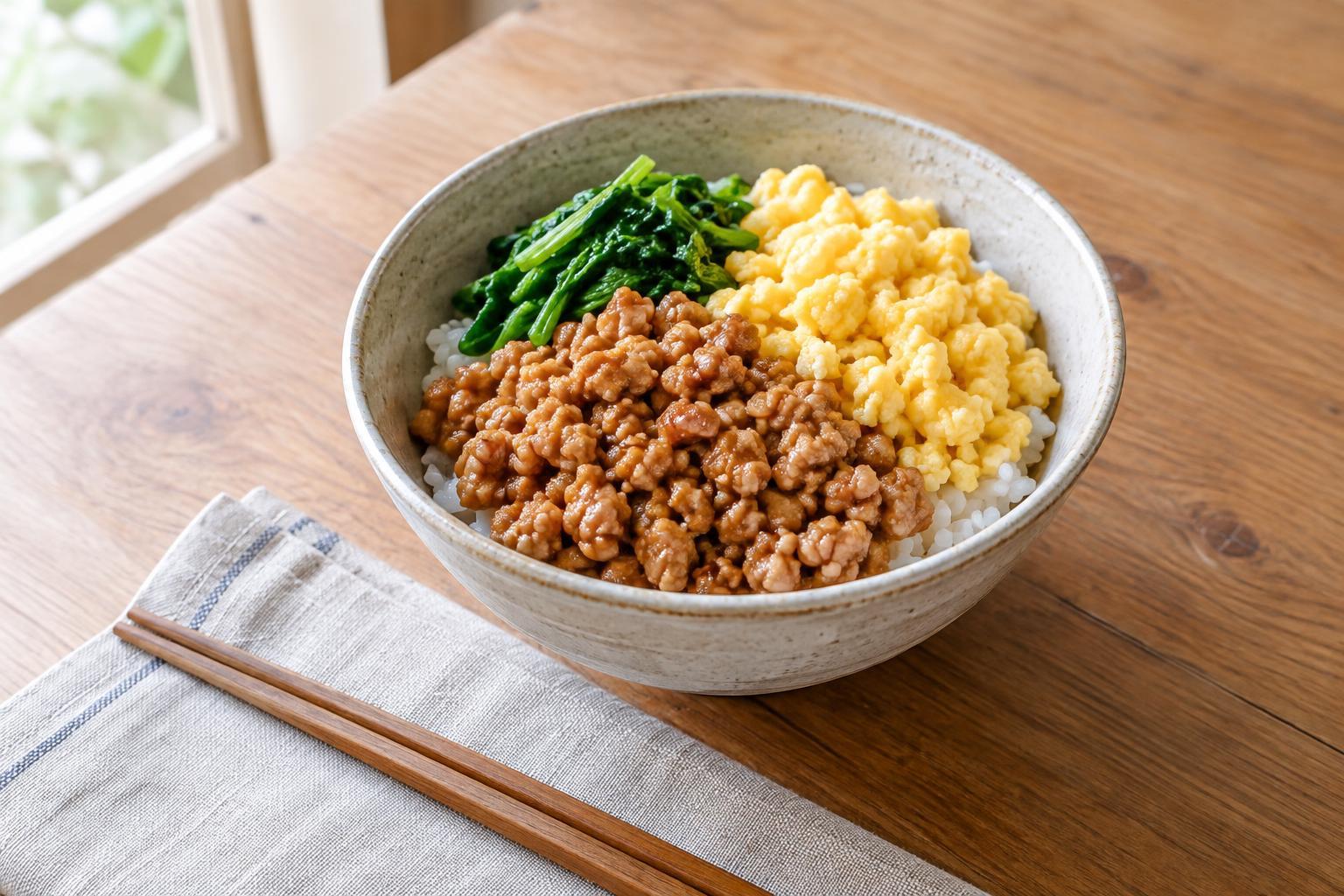
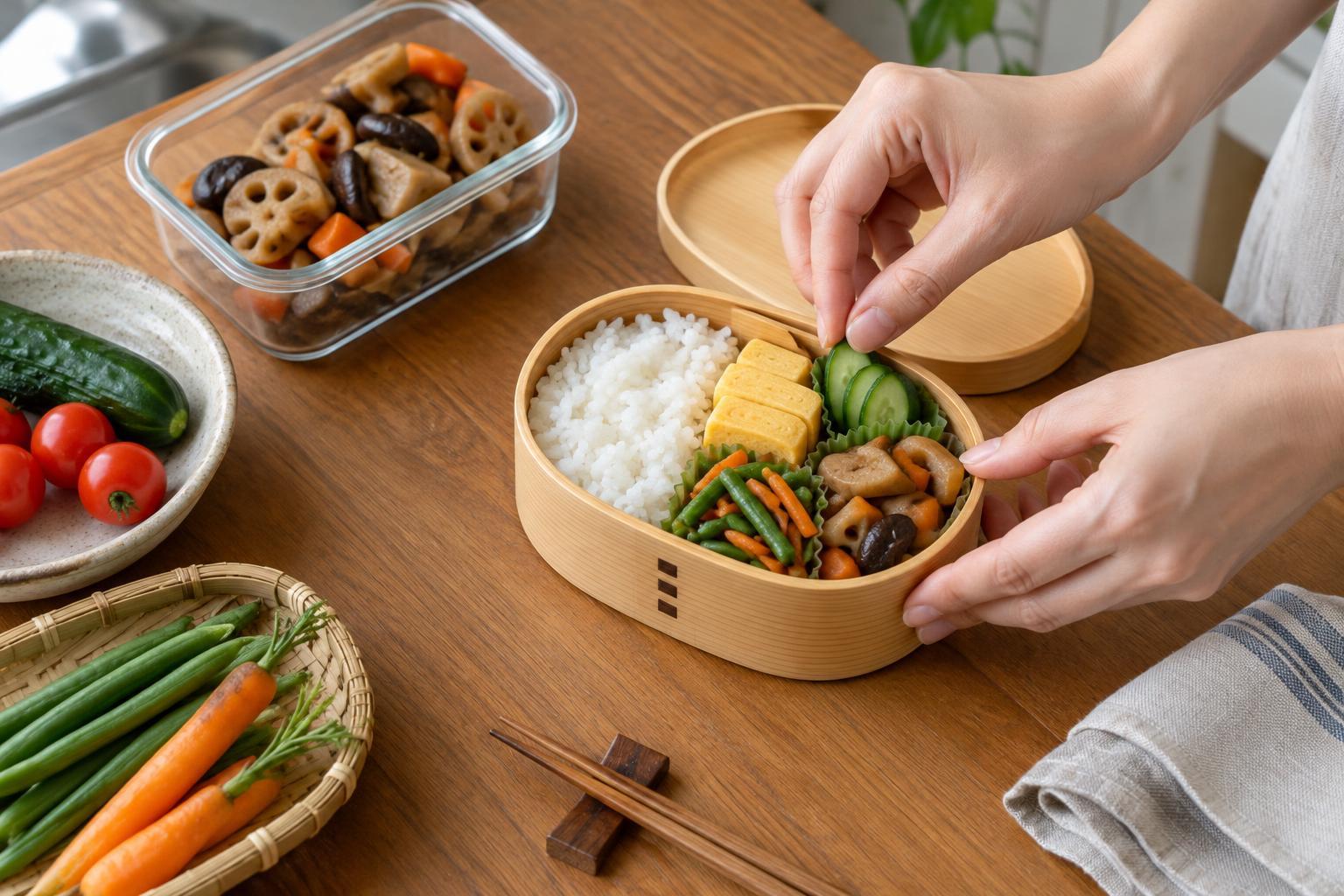
A bento is easier to assemble when you decide on its parts before reaching for a pan. A simple plan is a staple such as rice, a main dish, and one or two small sides. In Japanese home cooking, these might be grilled fish or chicken alongside vegetables, an egg dish, or a small portion of pickles. You do not need to make every item from scratch. A little of a suitable dinner dish can become tomorrow’s lunch if it has been handled and stored carefully.
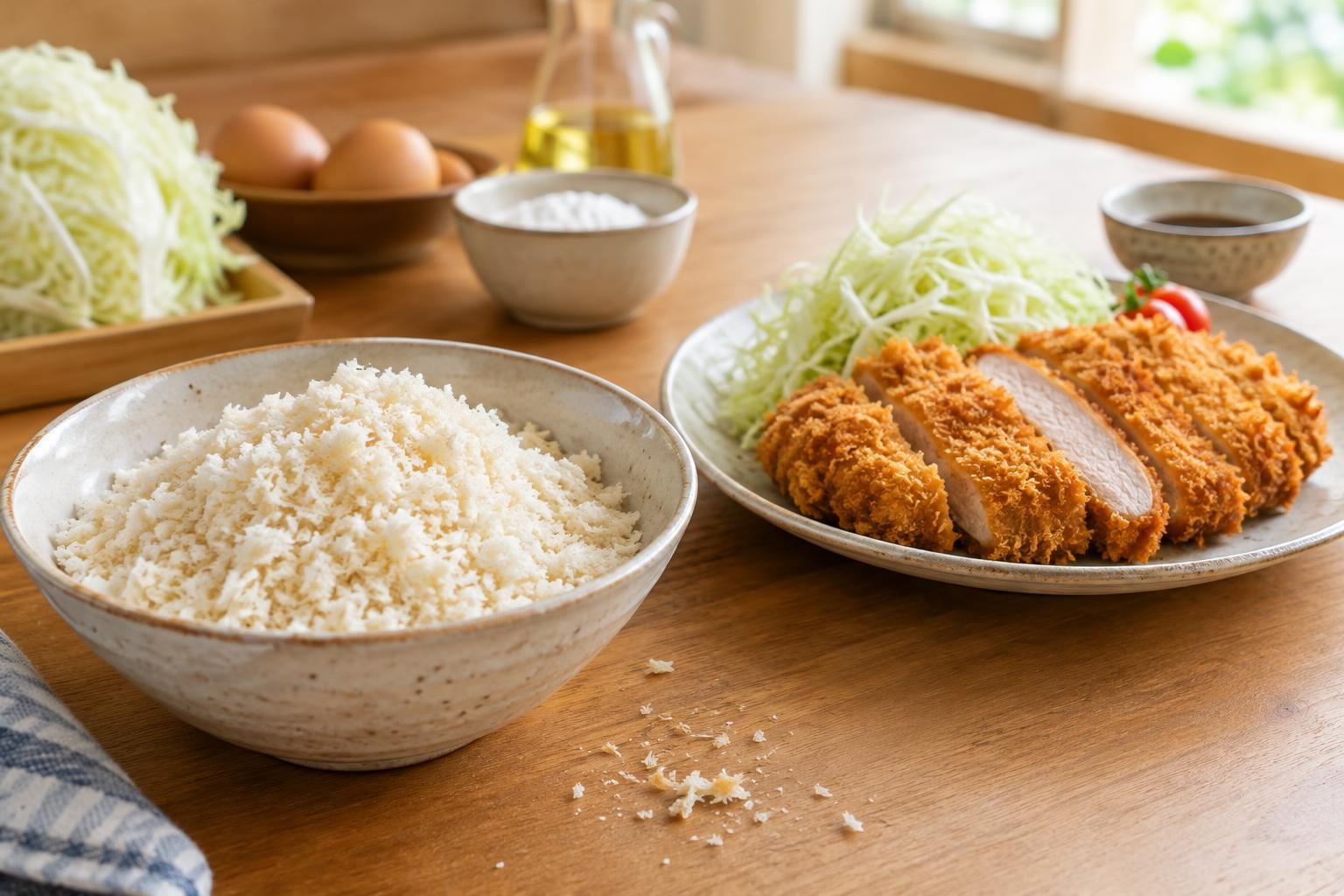
Think about how the foods will sit together for several hours. Choose dishes that are pleasant at the temperature at which the lunch will be eaten, and avoid relying on a crisp coating staying crisp beside moist rice. A divider, small cup or separate container can keep strongly seasoned or wet foods from affecting the rest of the box. If the bento will travel without dependable refrigeration, plan for an insulated bag and cold packs when packing perishable foods.
Do the sturdy work the night before
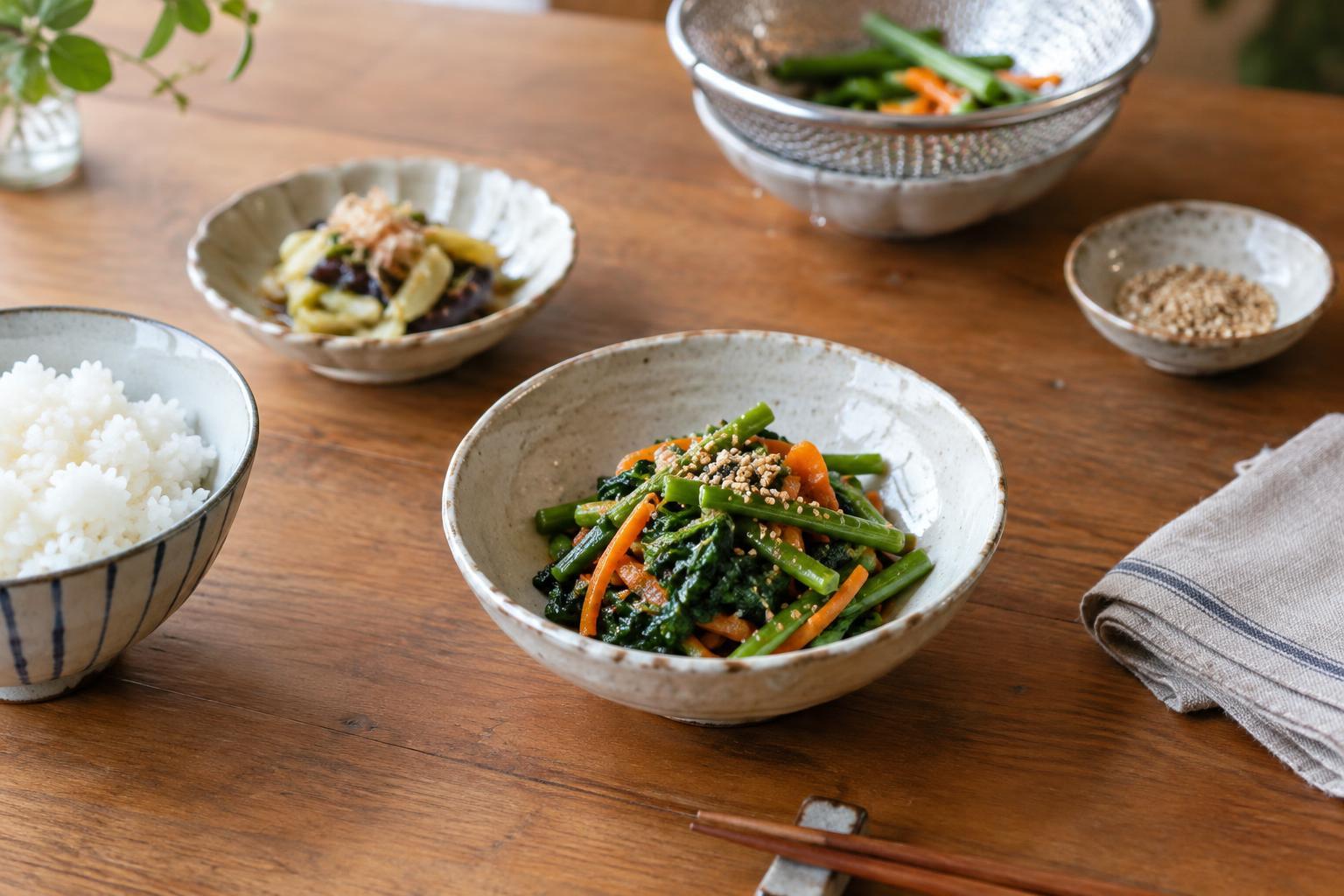
The evening is a good time to cook components that store well and need little attention later. Make a firm vegetable side, cook a main dish, portion pickles, or prepare seasonings. Wash produce, dry it thoroughly and store it in the refrigerator. You can also set out the clean bento box, dividers, utensils and lunch bag so the morning begins with assembly rather than a search through cupboards.
Keep cooked foods in covered containers in the refrigerator rather than leaving a filled bento on the counter overnight. Refrigerate leftovers promptly; divide large amounts into shallow containers so they chill more quickly. Store sauces and juicy sides separately, and avoid adding raw ingredients to cooked food during storage. If you cook rice ahead, refrigerate it promptly too. Rice should not be left at room temperature overnight, even if you intend to heat it in the morning.
Finish rice and delicate items in the morning
Freshly cooked rice is a satisfying bento staple if your morning allows for it. If using refrigerated rice, reheat it thoroughly before serving or packing, then follow a safe cooling and chilling plan. Do not put a mound of hot rice straight into a closed box: trapped steam can leave both the rice and nearby foods damp. Spread it in a shallow layer or use a clean tray to help it cool promptly, without leaving it at room temperature for a long stretch.
Morning is also the moment for ingredients whose appeal depends on texture. Slice cucumber, add dry leafy garnishes, and pack cut fruit in its own container. Drain cooked vegetables well before they go into the box. A small sauce container lets you add dressing at lunchtime instead of soaking a side dish during the journey. For an egg dish, cook it fully and handle it as you would other perishable cooked food.
Pack for the journey, not just for the photograph
Before closing the lid, check that cooked foods have cooled promptly and that no hot component is warming a chilled one. Fit the portions snugly enough that they will not tumble around, but do not compress soft foods. Keep wet pickles, sauced mains and juicy fruit contained so flavors and moisture stay where you want them. If a garnish will wilt or a sauce will run, carry it separately.
Once packed, keep a perishable bento cold until lunchtime. An insulated lunch bag with cold packs is useful when refrigerator space is unavailable; a refrigerator at work or school is another option. The time a lunch spends in a warm bag or sunny car matters more than how carefully it was arranged. If you cannot keep perishable foods chilled, choose a lunch built from foods that can safely be stored at room temperature, following their storage instructions.
Make the routine repeatable
A workable rhythm might be: after dinner, portion and refrigerate the sturdy sides, wash and dry vegetables, and prepare the box. In the morning, cook or reheat the staple, finish any quick-cooking item, drain or slice delicate ingredients, and pack once the components are ready for safe storage and transport. Put cold packs in the bag just before leaving.
The best division of work depends on your schedule and how the bento will be stored before eating. Start with a short menu that you can prepare without rushing, then notice what arrives soggy, dry or out of place. Moving one task from evening to morning—or packing one item separately—can make next week’s lunch easier.