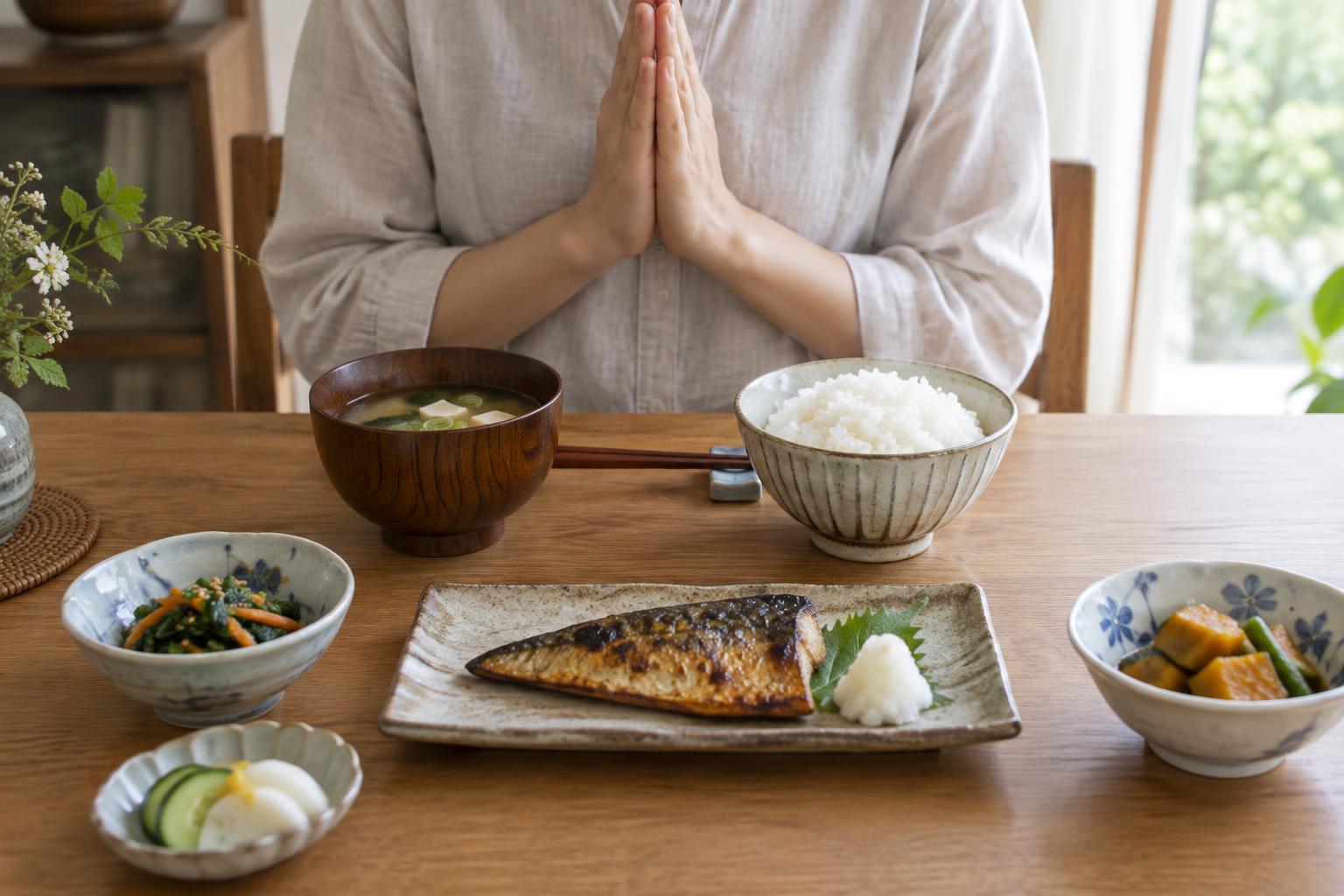
Food and Table CultureTwo familiar Japanese mealtime phrases mark the beginning and end of a meal. Learn when to say each one, what it expresses, and how to use both naturally at home or when dining out.
Read article · 4 min↗
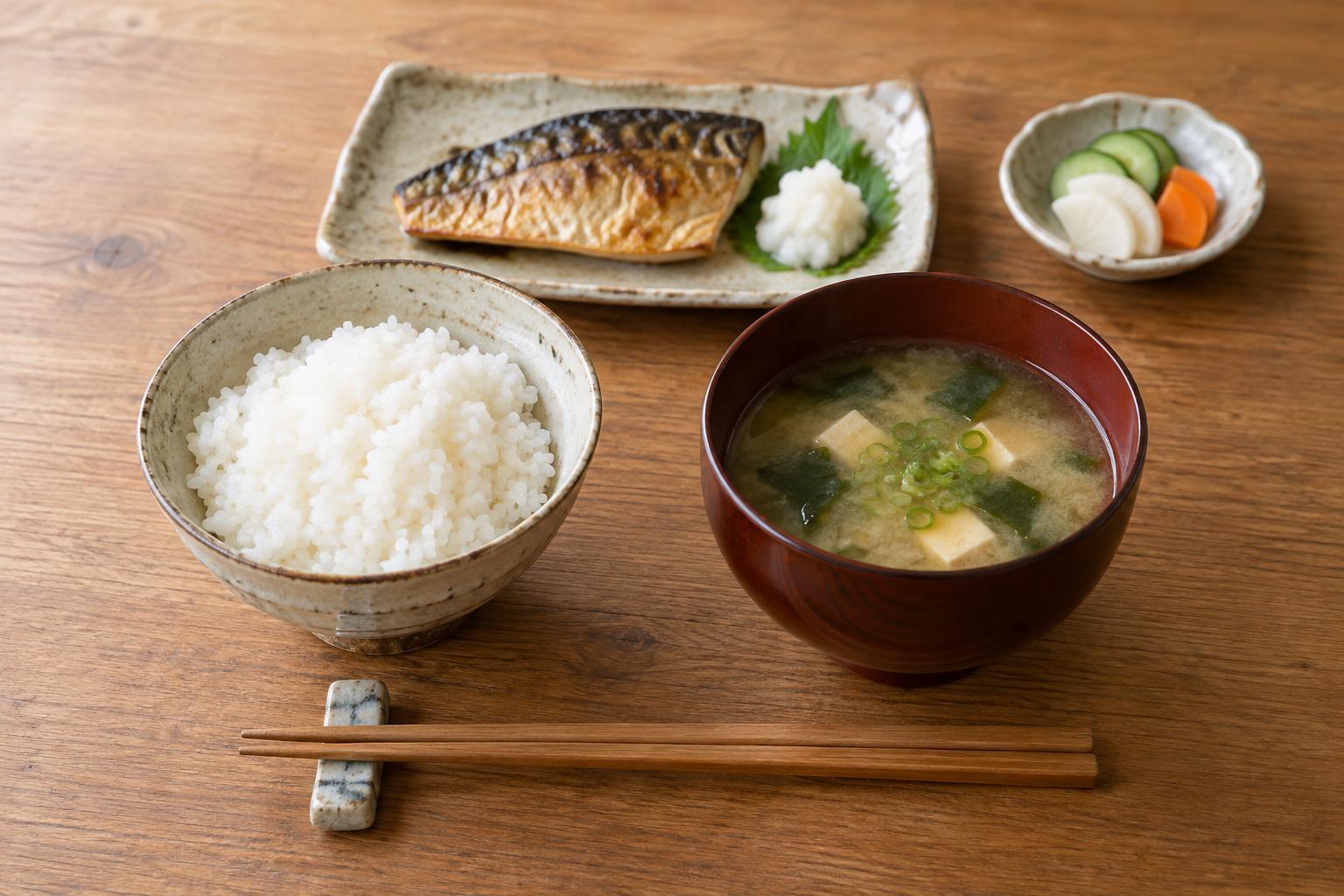
Food and Table CultureA simple Japanese-style place setting starts with rice on the diner’s left, soup on the right, and chopsticks across the front. Learn how to build on that arrangement for an everyday meal without treating it as a rigid rule.
Read article · 4 min↗
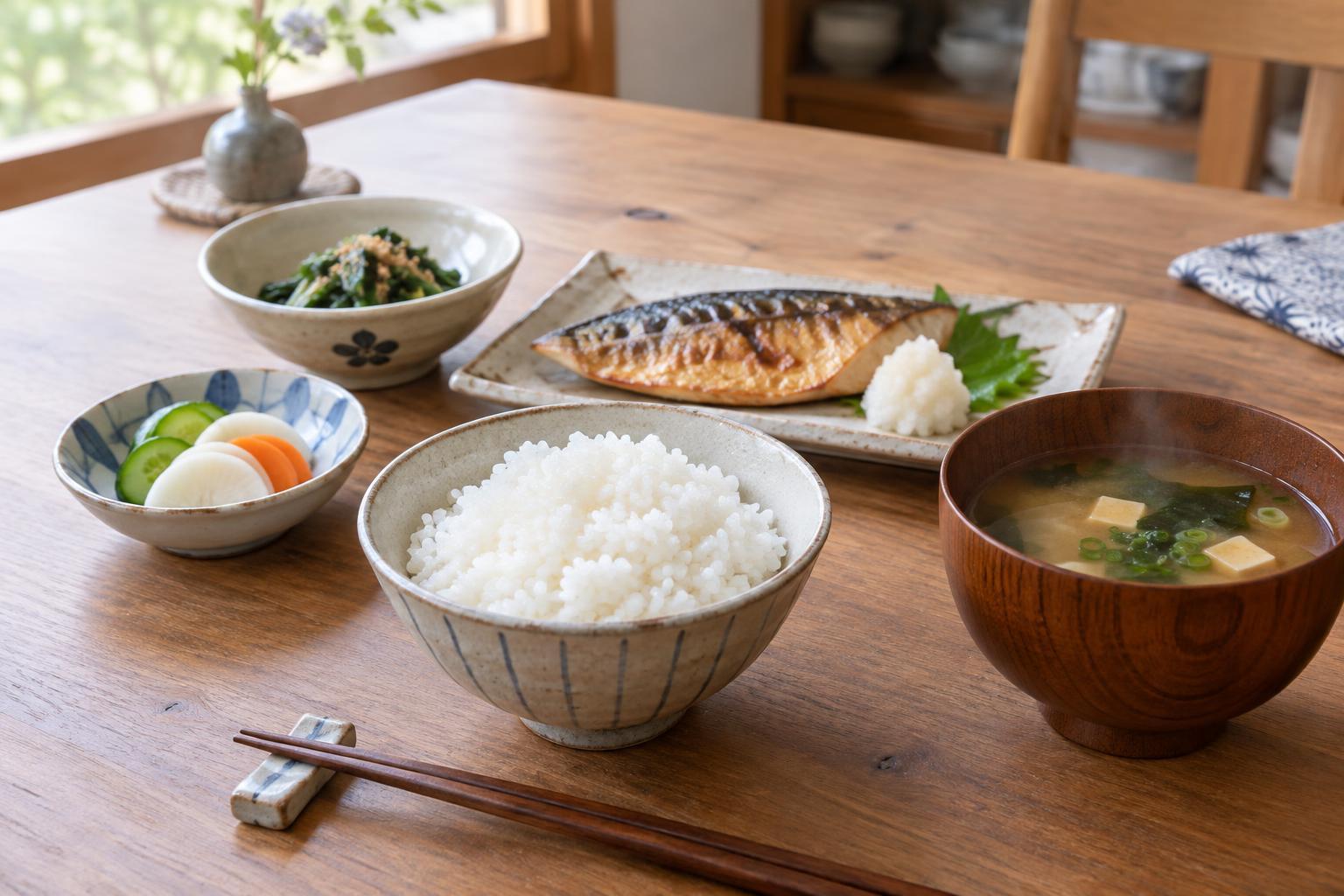
Food and Table CultureIn many Japanese home meals, a bowl of rice does more than fill the plate. It gives side dishes a point of reference, shapes how flavors are balanced, and helps organize the table. Here is a practical look at that role, along with the many ways everyday meals can depart from it.
Read article · 4 min↗
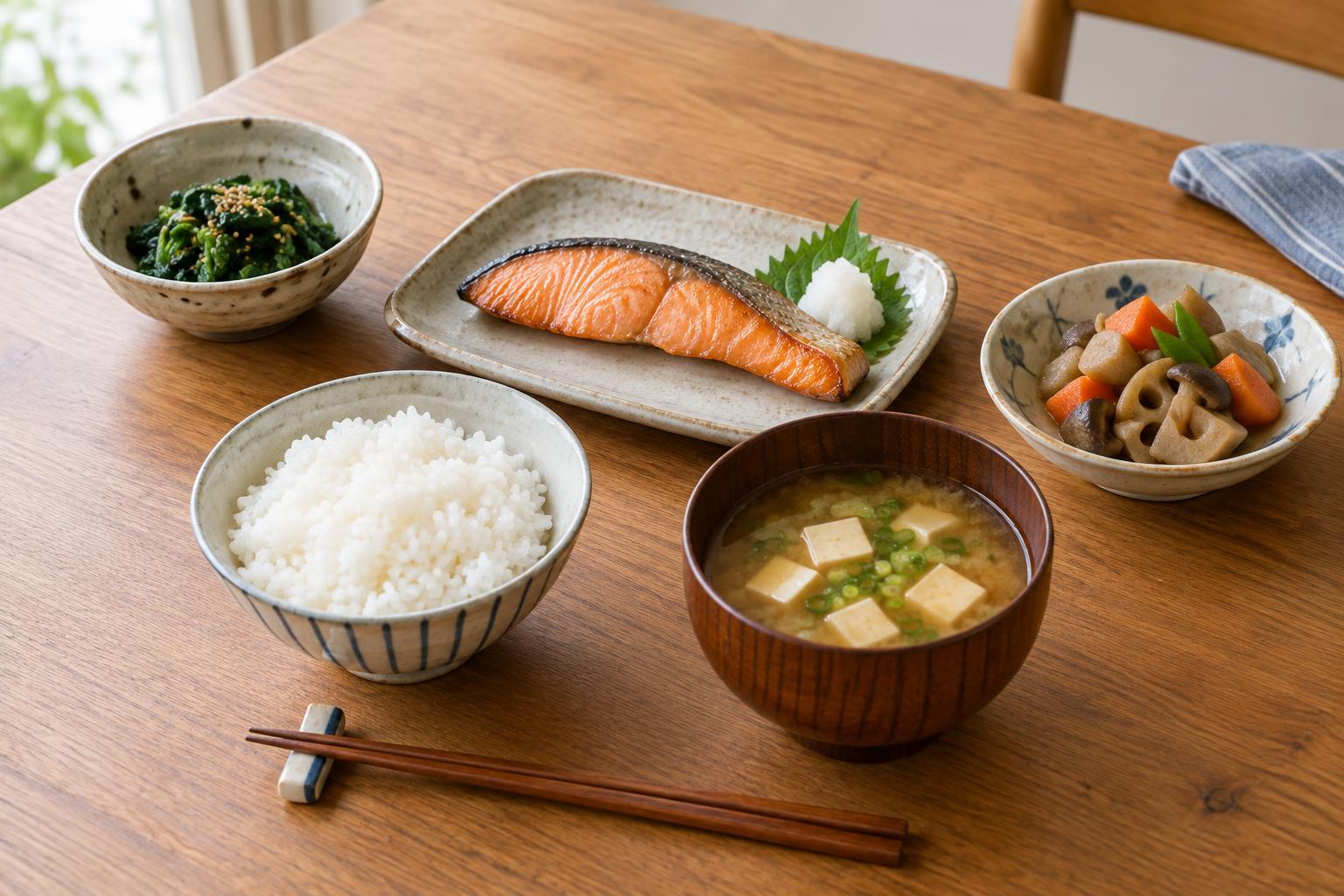
Food and Table CultureIchiju sansai is a familiar way to arrange a Japanese meal: one soup and three dishes, usually served with rice. Learn what counts as a dish, how the parts work together, and how to adapt the pattern for everyday home cooking.
Read article · 4 min↗
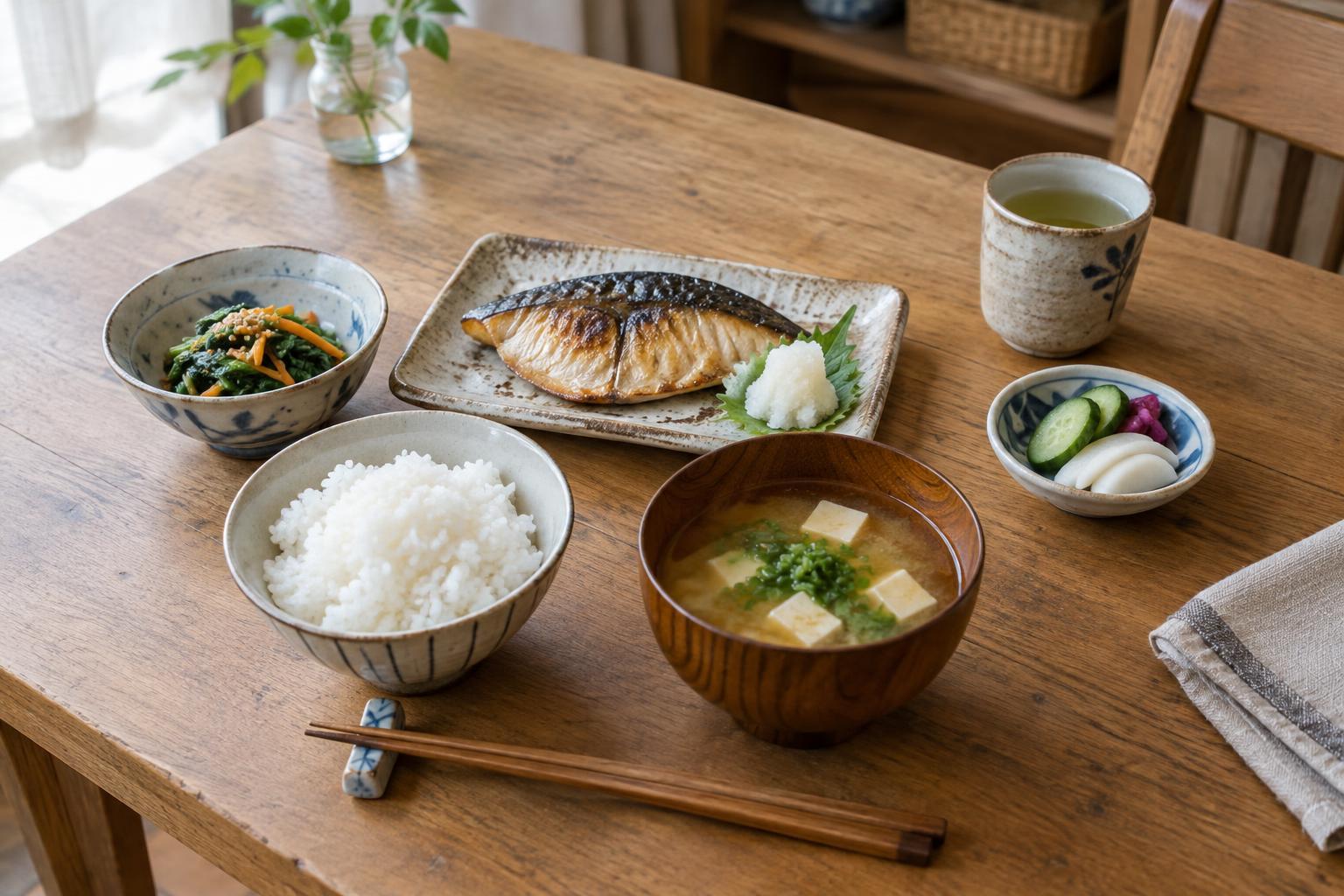
Food and Table CultureWashoku is often pictured as an elaborate arrangement of rice, soup and small dishes. But the idea also has room for simple weeknight meals, leftovers and family preferences. Here is a practical look at the word, the familiar meal patterns behind it and the everyday choices that bring a Japanese table together.
Read article · 4 min↗