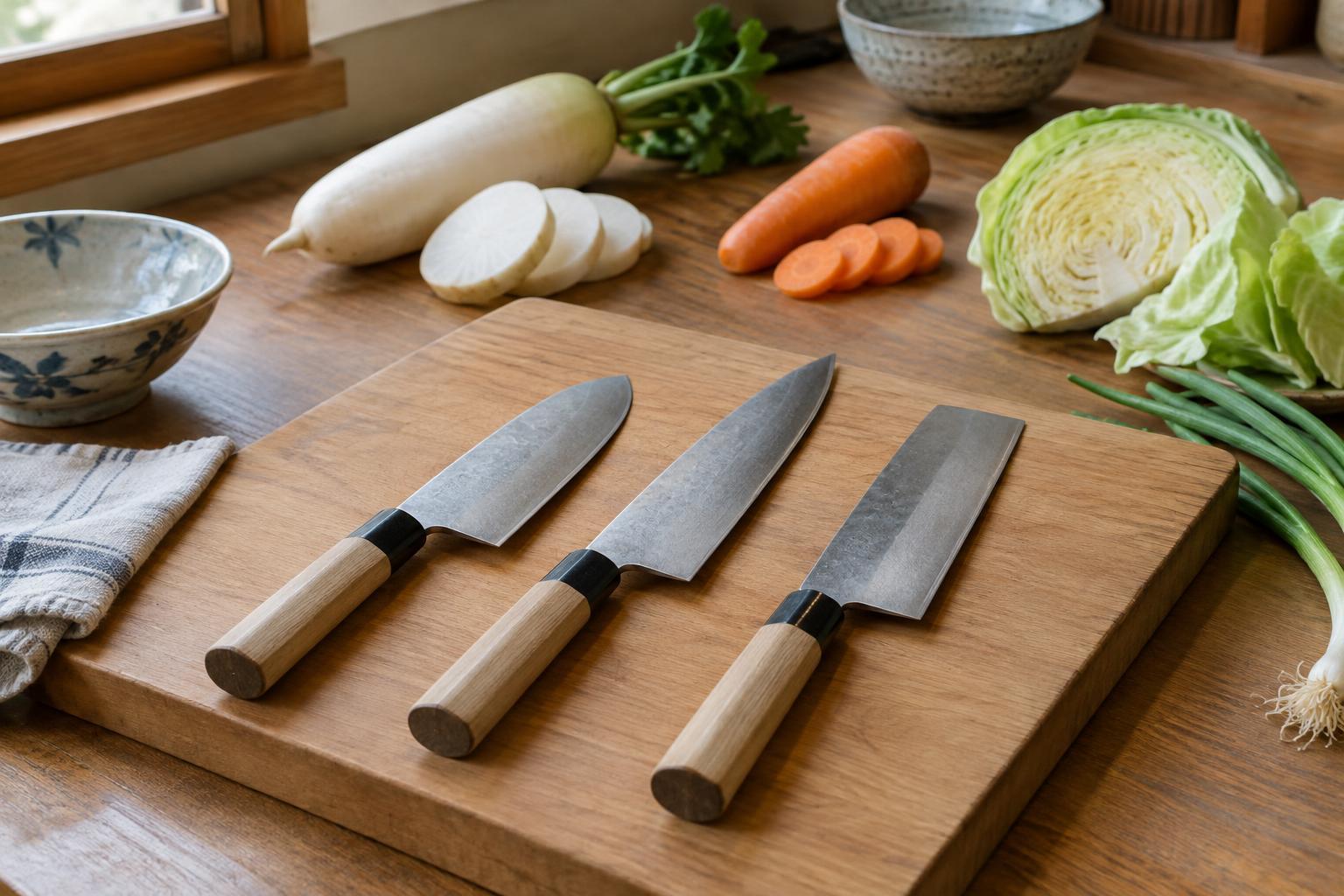
Kitchen ToolsA santoku, gyuto, or nakiri can all be useful for Japanese home cooking, but they do different jobs. Compare their shapes, cutting motions, and upkeep so you can choose a knife that suits the meals you actually make.
Read article · 4 min↗
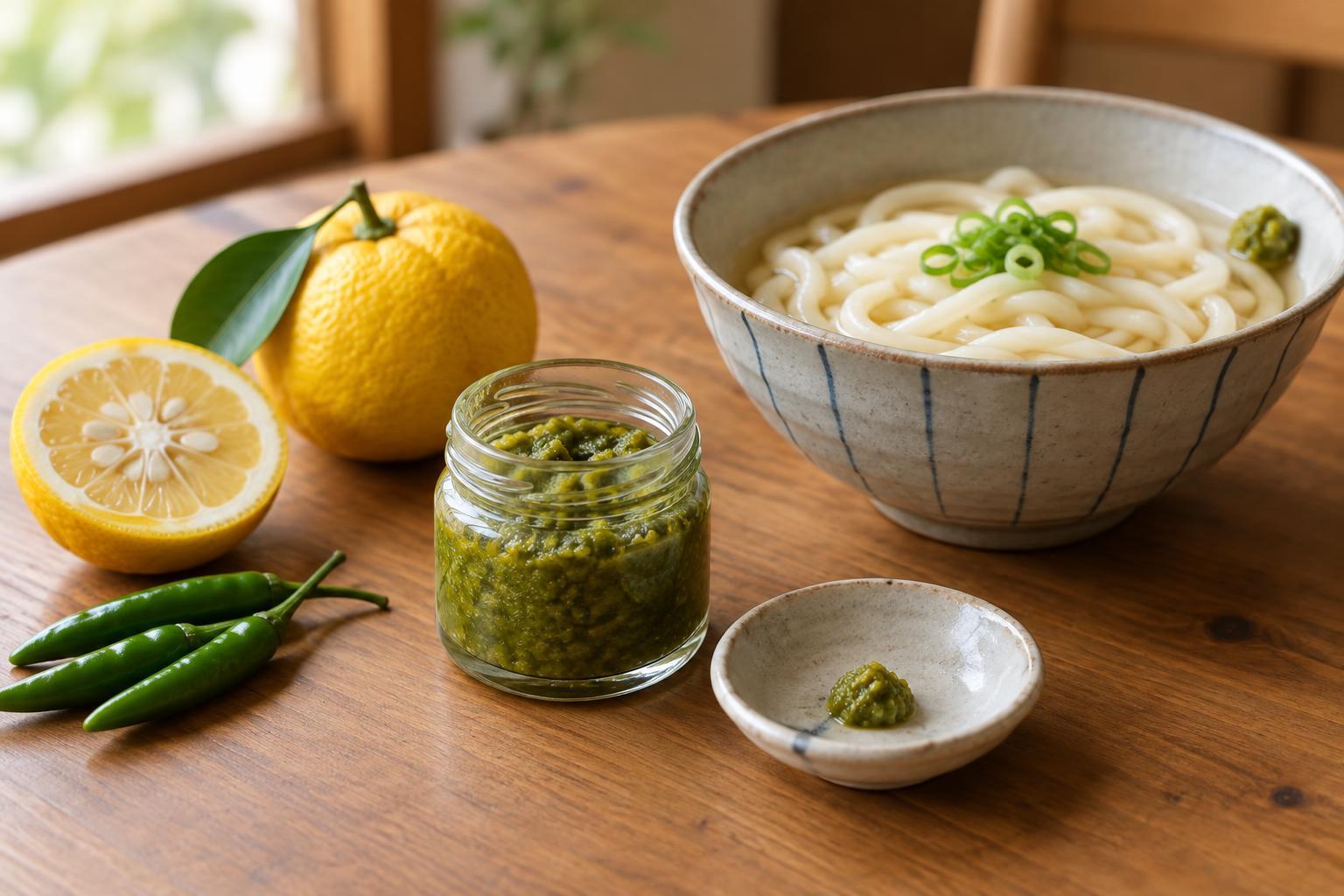
Japanese IngredientsYuzu kosho brings citrus fragrance, chile heat and salt to a dish in one small spoonful. Learn what to expect from green and red varieties, where to use them, and how to add just enough without overwhelming dinner.
Read article · 4 min↗
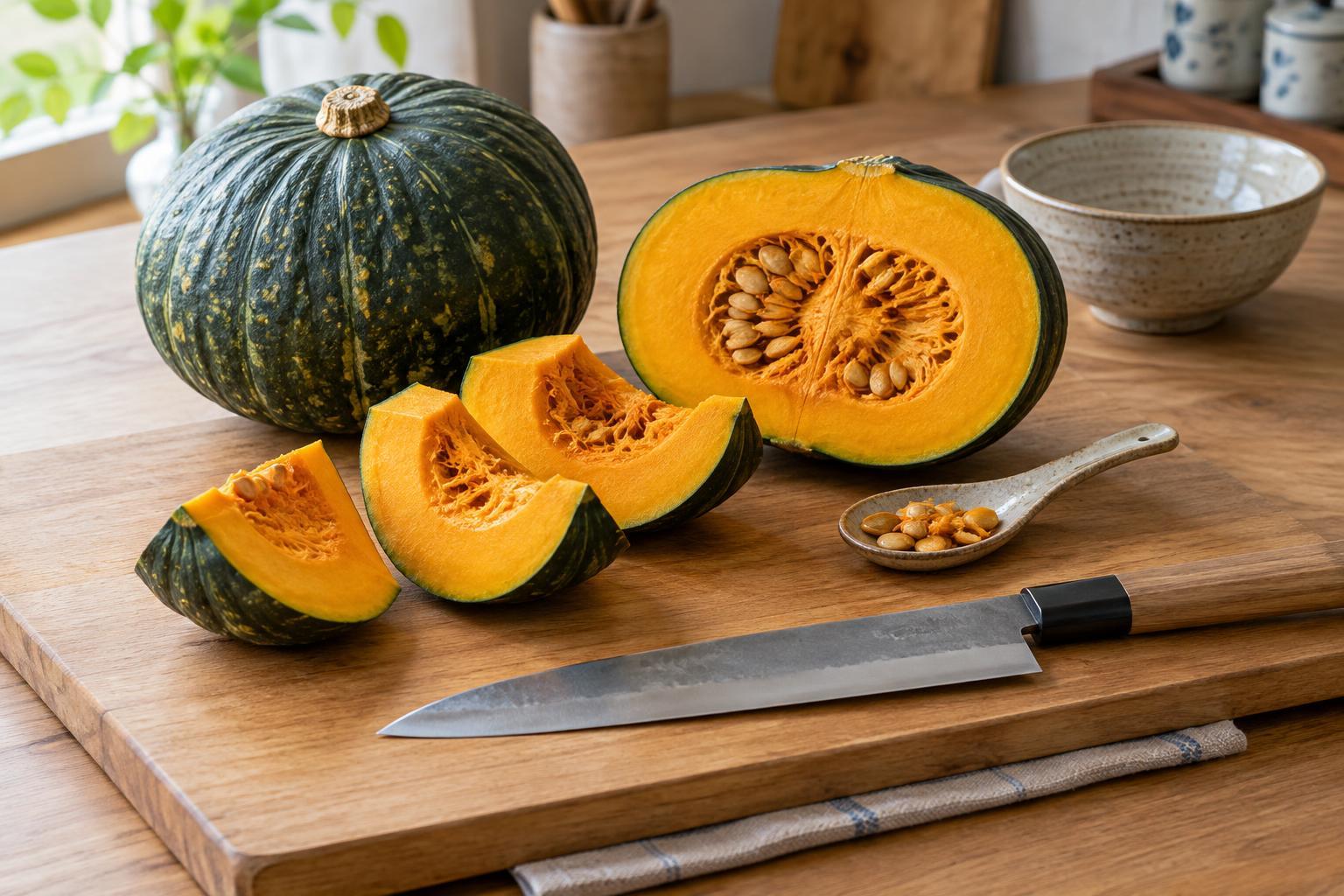
Japanese IngredientsKabocha’s dense flesh makes it rewarding to cook—and challenging to cut. Learn what to look for when buying a squash, how to set up a stable work area, and how to halve, seed, and portion it without forcing your knife.
Read article · 4 min↗
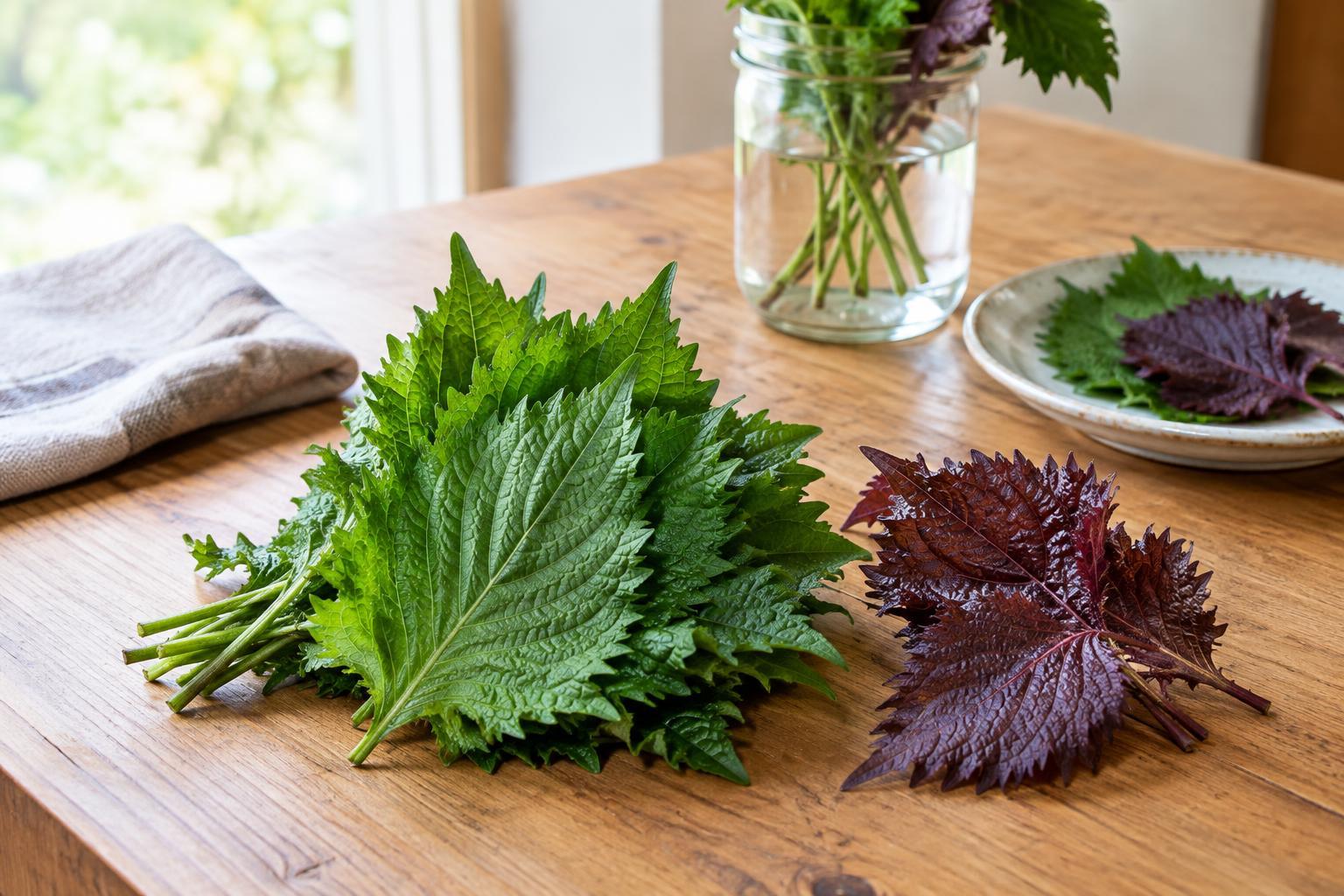
Japanese IngredientsShiso brings a distinctive herbal lift to Japanese home cooking. Learn how to recognize green and red shiso, choose fresh bunches, keep the leaves in good condition, and use them in simple everyday dishes.
Read article · 4 min↗
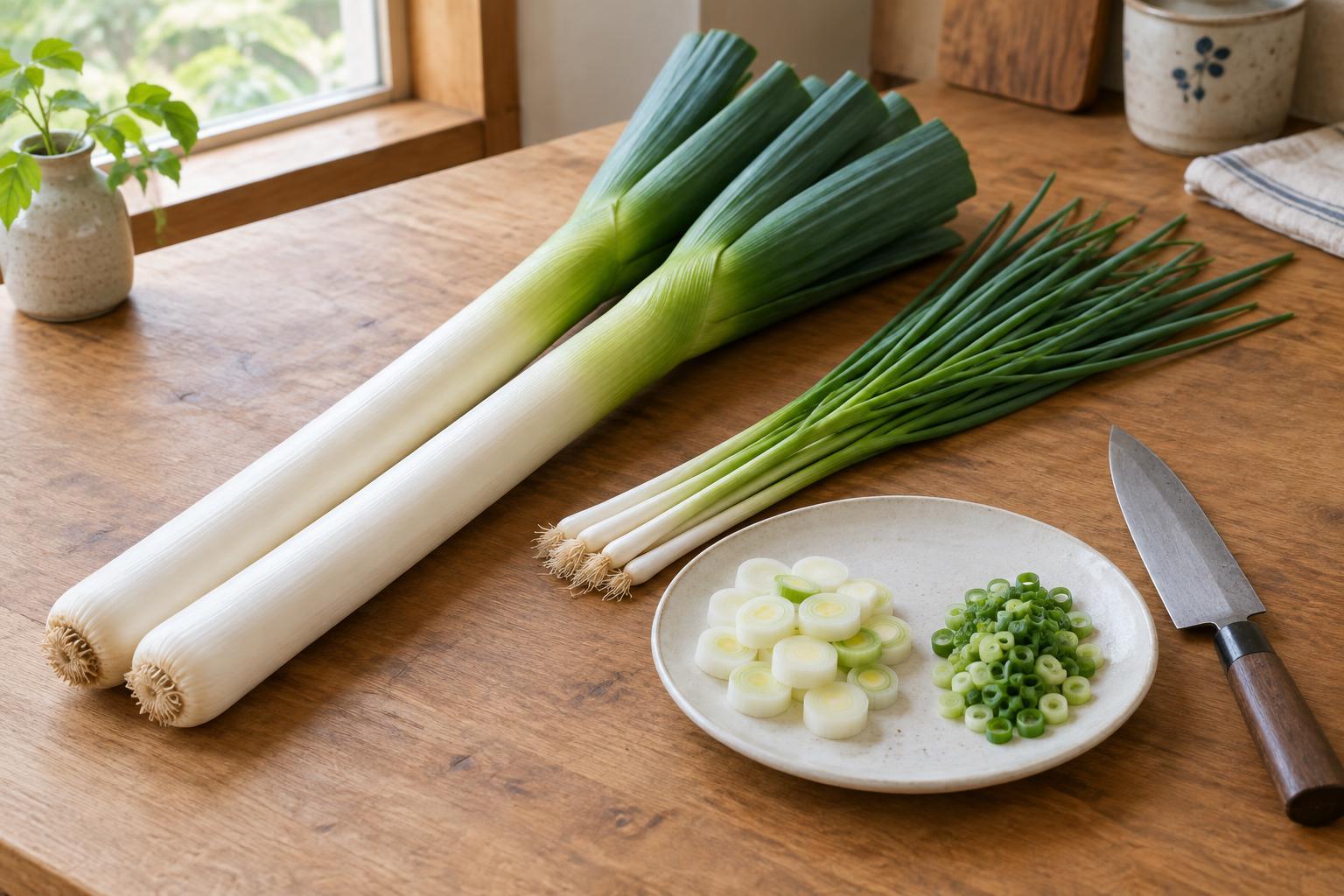
Japanese IngredientsNegi and scallions can play similar roles in Japanese cooking, but they are not always interchangeable one for one. Learn how their flavor, texture and cooking behavior differ, and how to adjust when a recipe calls for one and you have the other.
Read article · 4 min↗
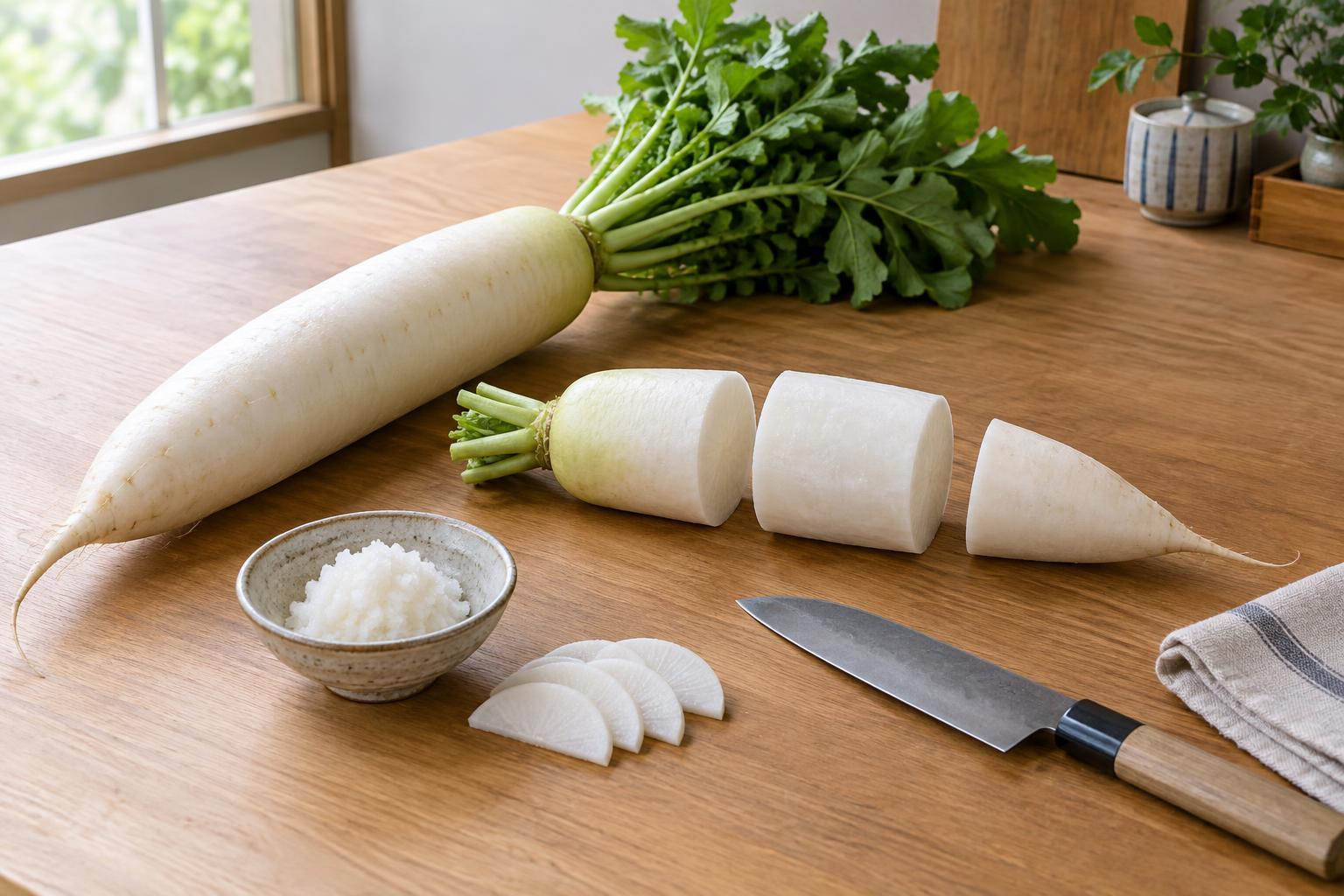
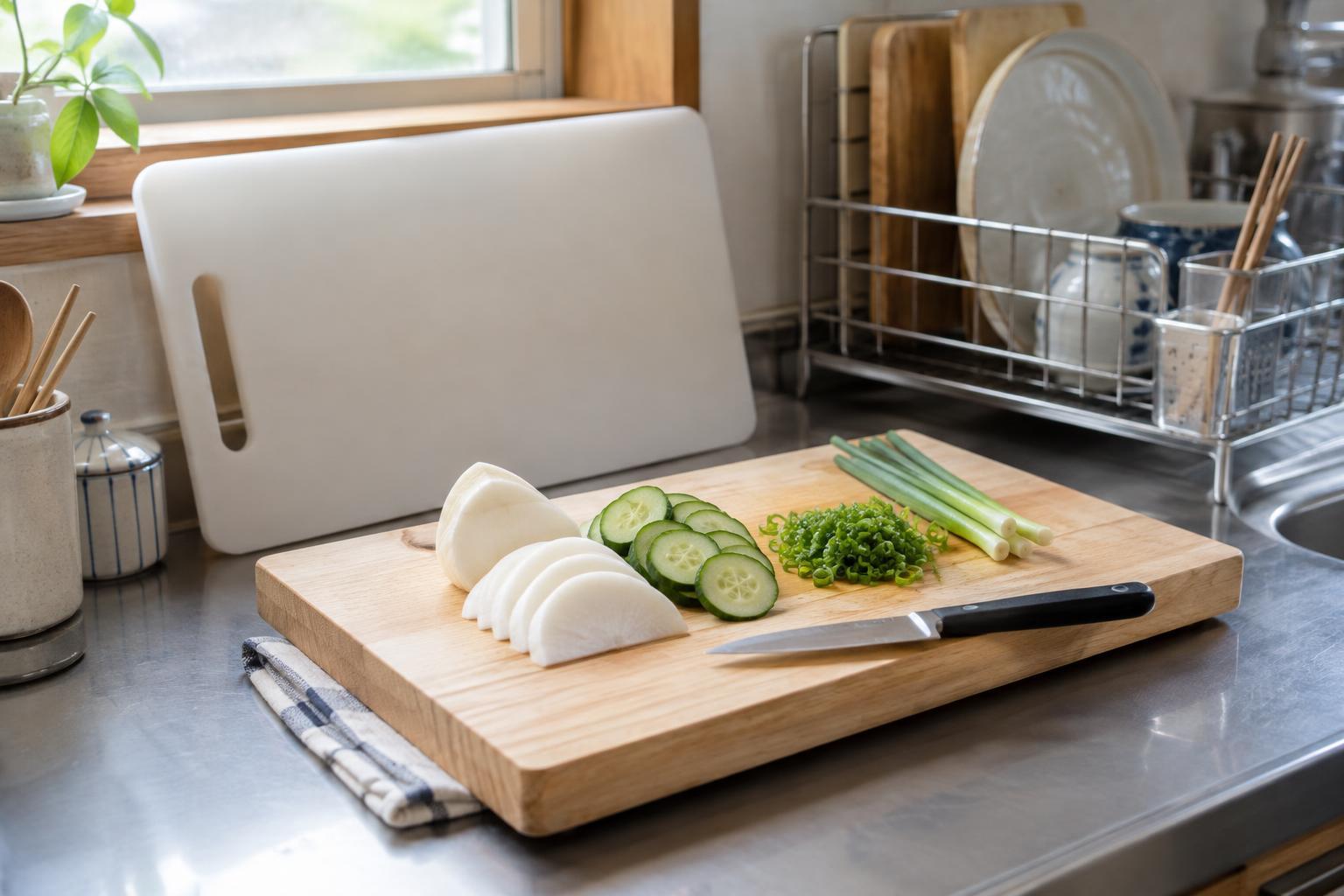
Japanese IngredientsDaikon can be crisp and peppery raw or gentle and tender when cooked. Learn what to look for at the market, how to keep it fresh, and why the top, middle, and tip suit different dishes.
Read article · 4 min↗
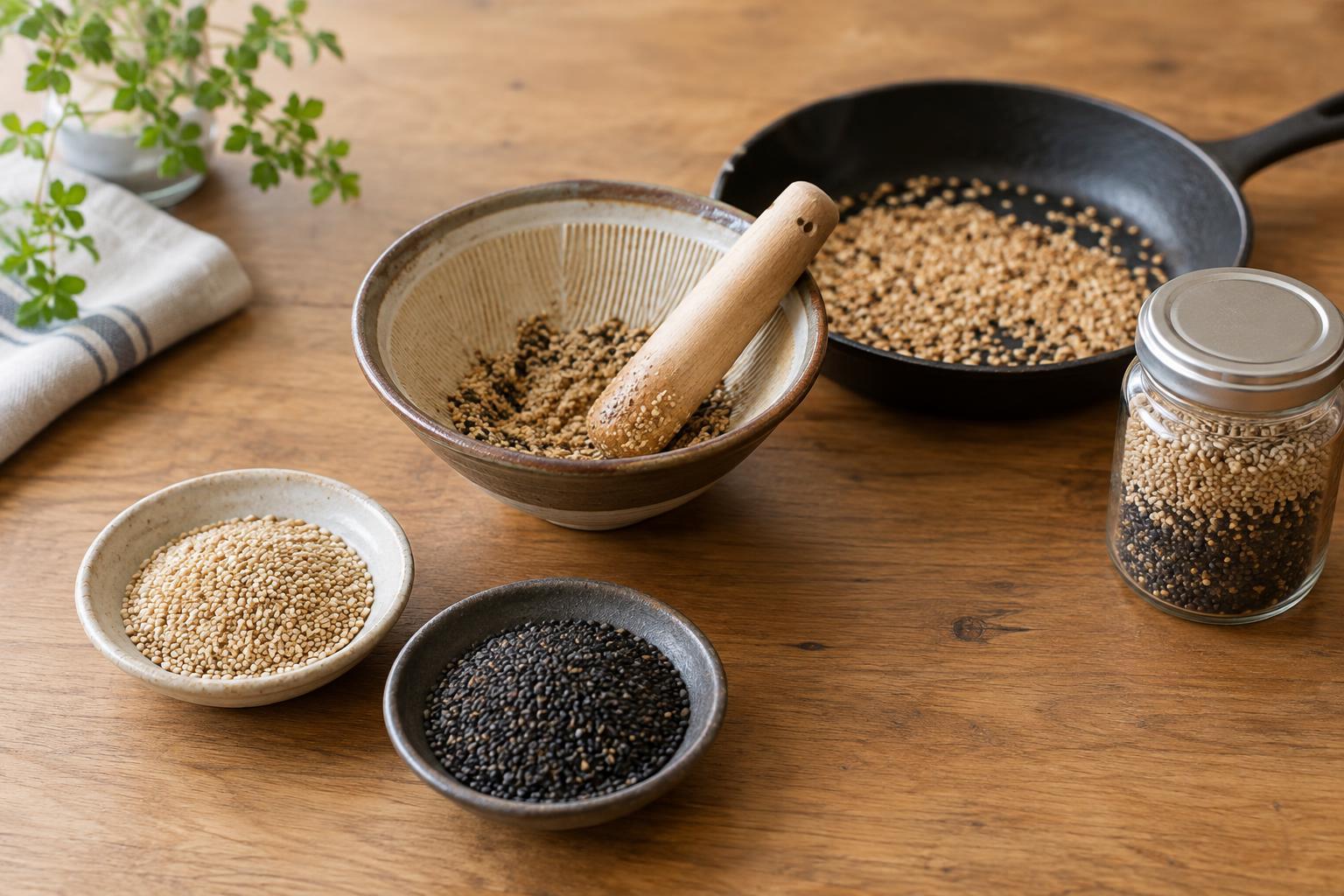
Japanese IngredientsSesame seeds bring aroma, texture, and richness to Japanese home cooking. Learn how to choose between white and black sesame, toast small batches without burning them, grind them for dressings and sauces, and keep them tasting fresh.
Read article · 4 min↗
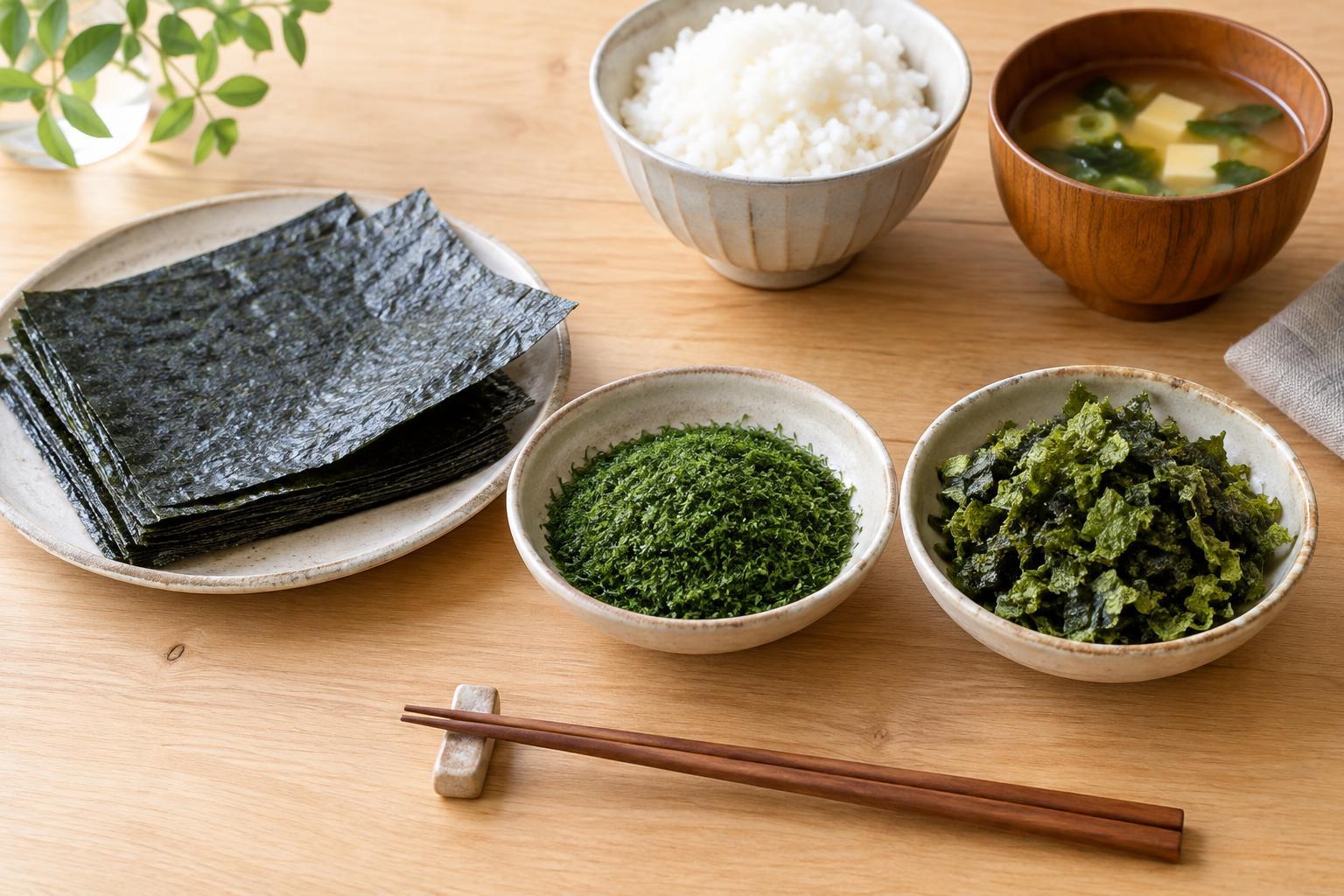
Japanese IngredientsNori sheets, aonori flakes, and aosa may share a shelf, but they play different roles in Japanese home cooking. Learn how to recognize each one, choose a form that suits your dish, and keep its flavor and texture at their best.
Read article · 4 min↗
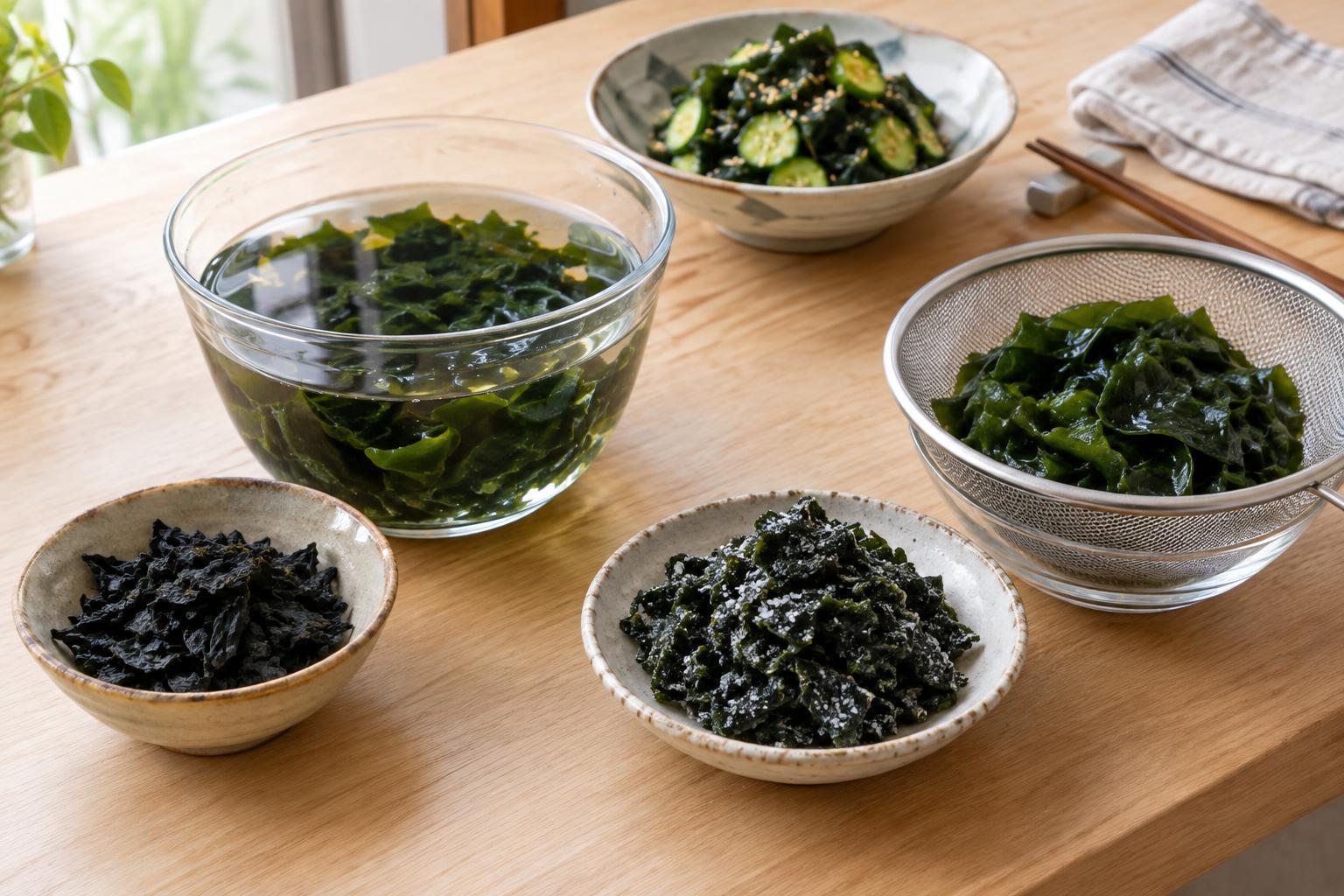
Japanese IngredientsDried and salted wakame both bring tender seaweed to everyday meals, but they need different preparation. Learn how to rehydrate dried wakame, rinse and soak salted wakame, and choose the right type for soup, salad or a quick side dish.
Read article · 4 min↗
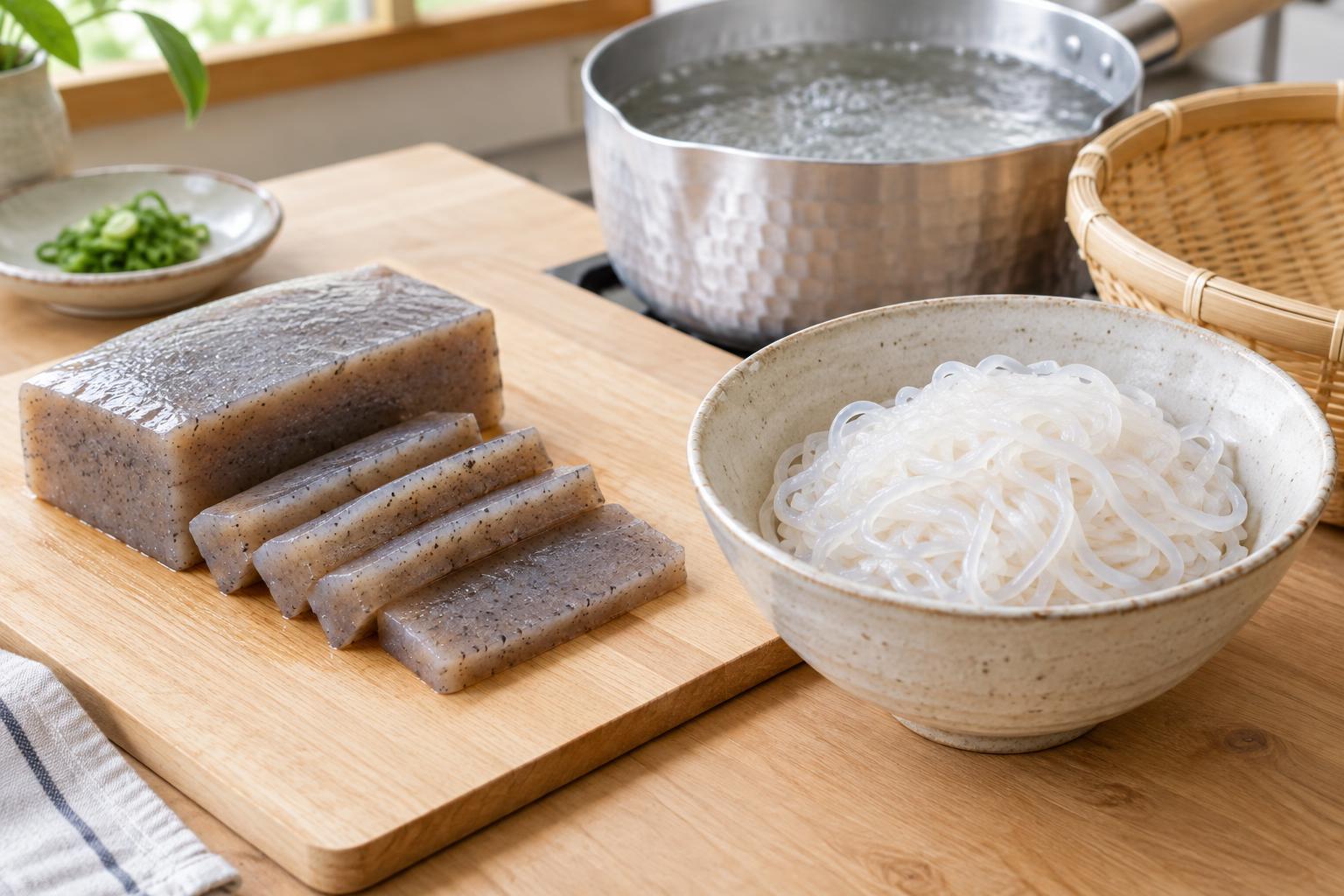
Japanese IngredientsKonnyaku blocks and shirataki noodles come from the same ingredient but behave differently in the kitchen. Learn how to choose, rinse, blanch, and cook them for everyday Japanese dishes.
Read article · 4 min↗
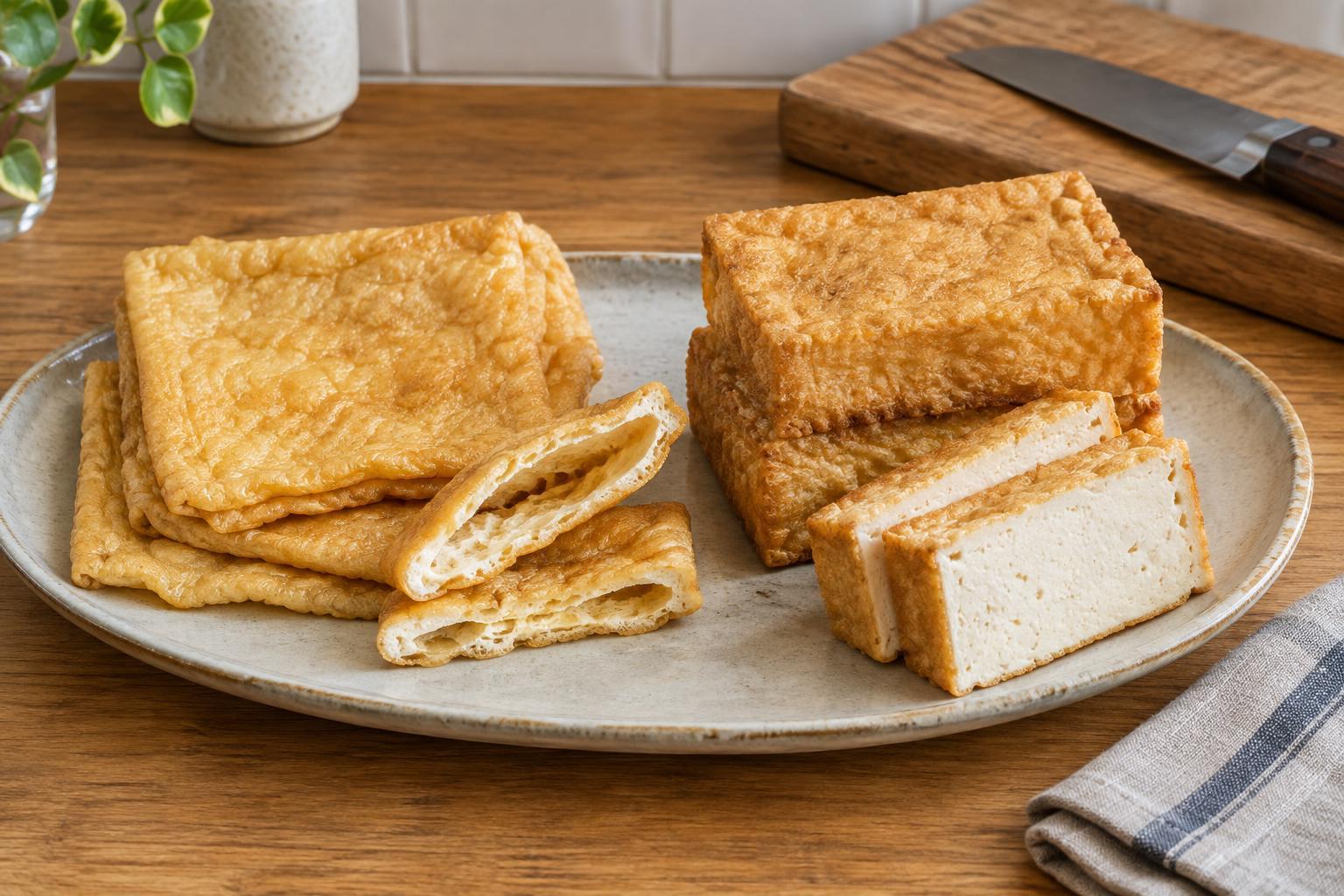
Japanese IngredientsAburaage and atsuage are both fried tofu, but they behave differently in the kitchen. Learn how to recognize each one, what it adds to a dish, and when you can substitute one for the other.
Read article · 4 min↗
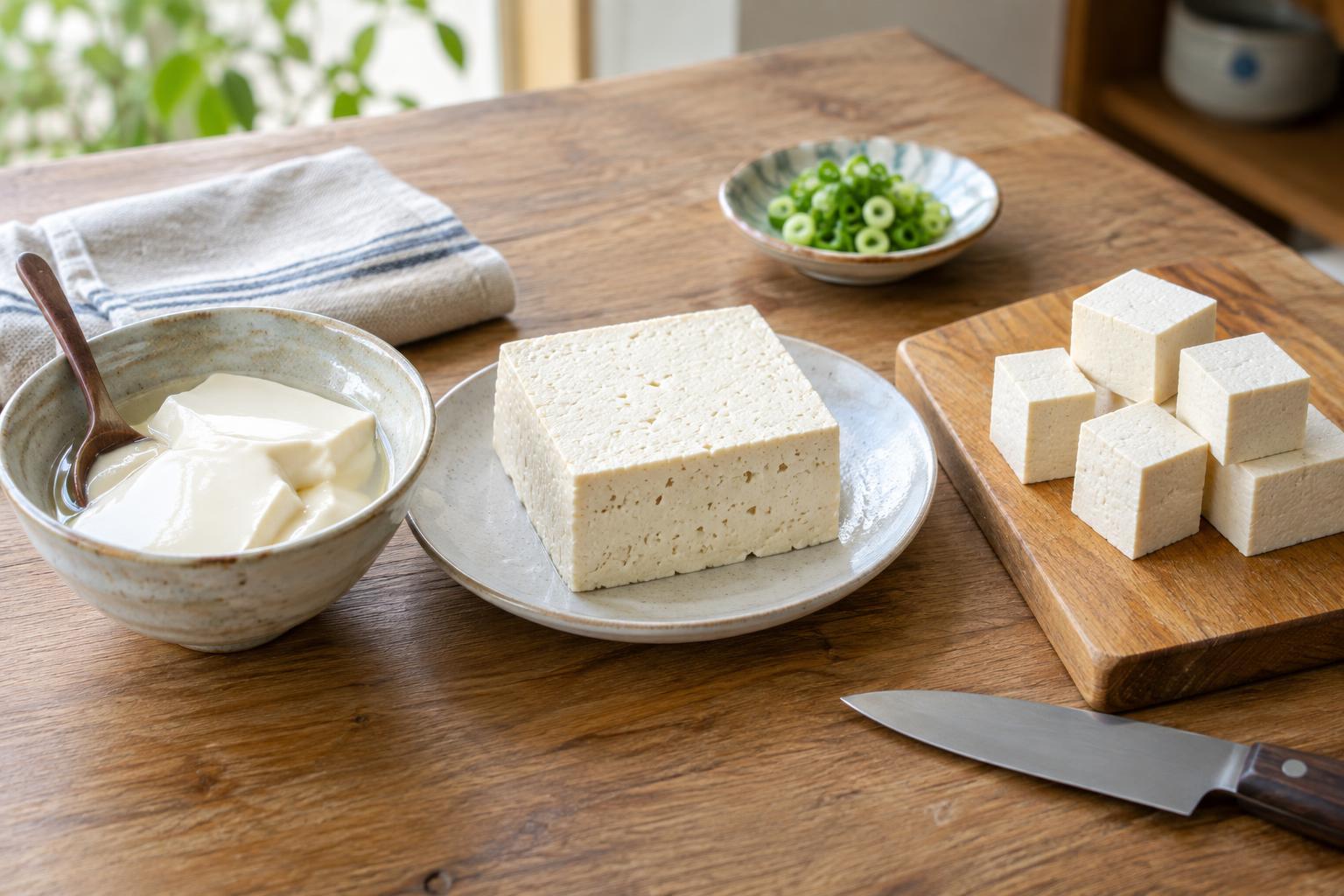
Japanese IngredientsTofu labels can be confusing, especially when a Japanese recipe calls for kinugoshi or momen. Learn how silken, firm, and extra-firm tofu differ, where each works best, and how to handle them in everyday meals.
Read article · 4 min↗
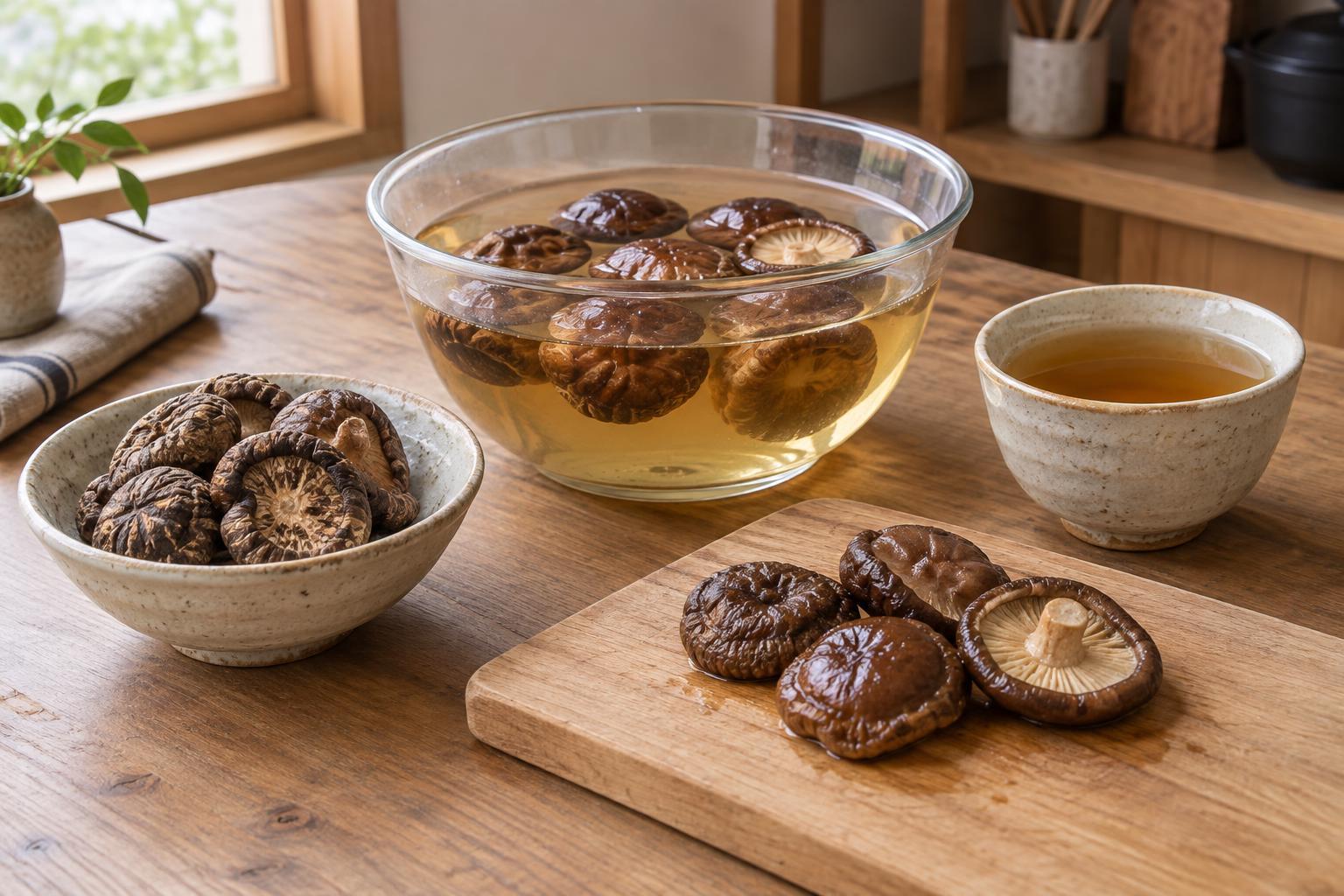
Japanese IngredientsDried shiitake bring a deep, savory flavor to everyday Japanese cooking. Learn how to soak them, save their flavorful liquid, prepare the stems, and use both mushrooms and broth in simple dishes.
Read article · 4 min↗
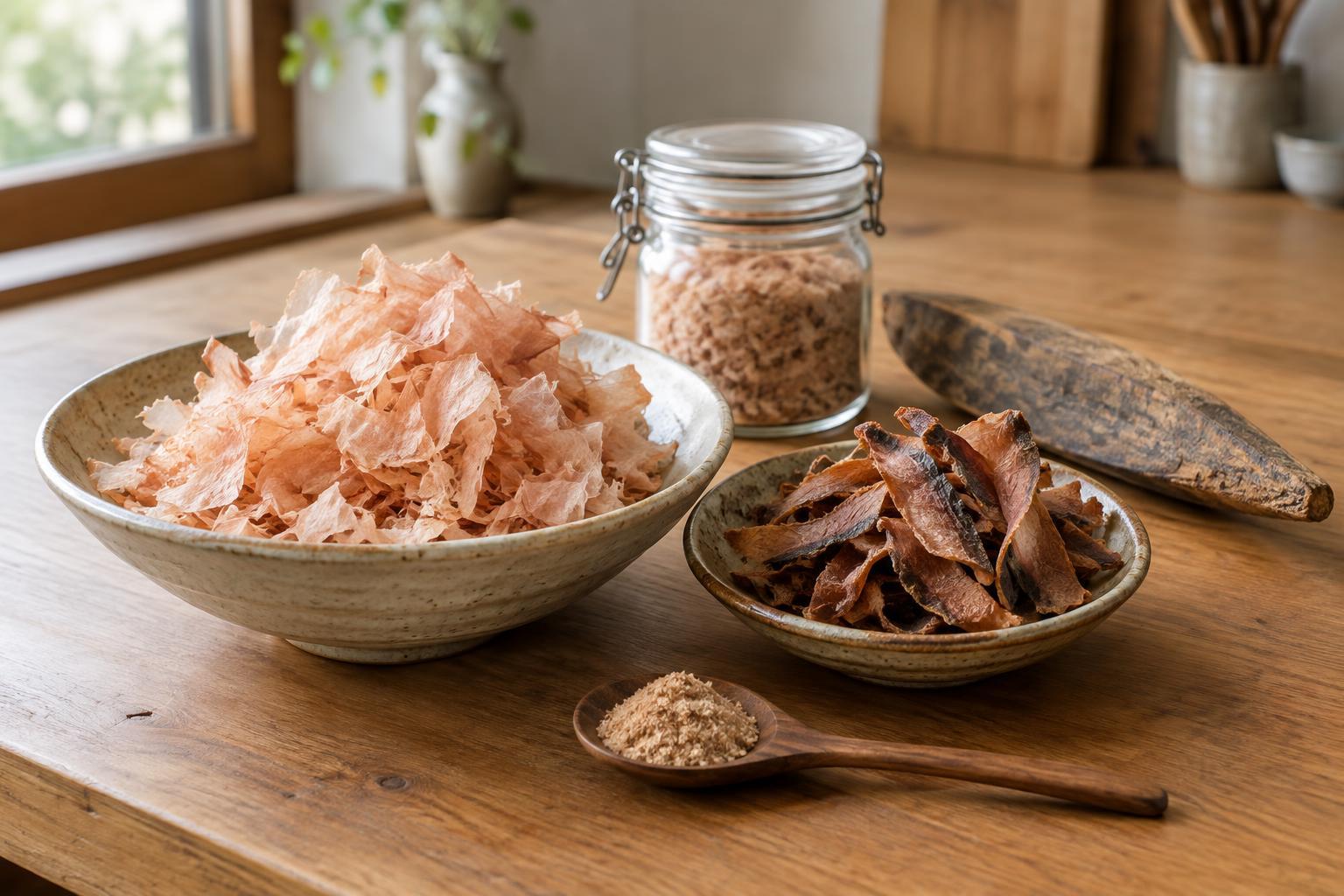
Japanese IngredientsKatsuobushi brings a savory, smoky note to Japanese home cooking. Learn what the different cuts mean, when to use thin or thick shavings, and how to keep an opened package fresh.
Read article · 4 min↗
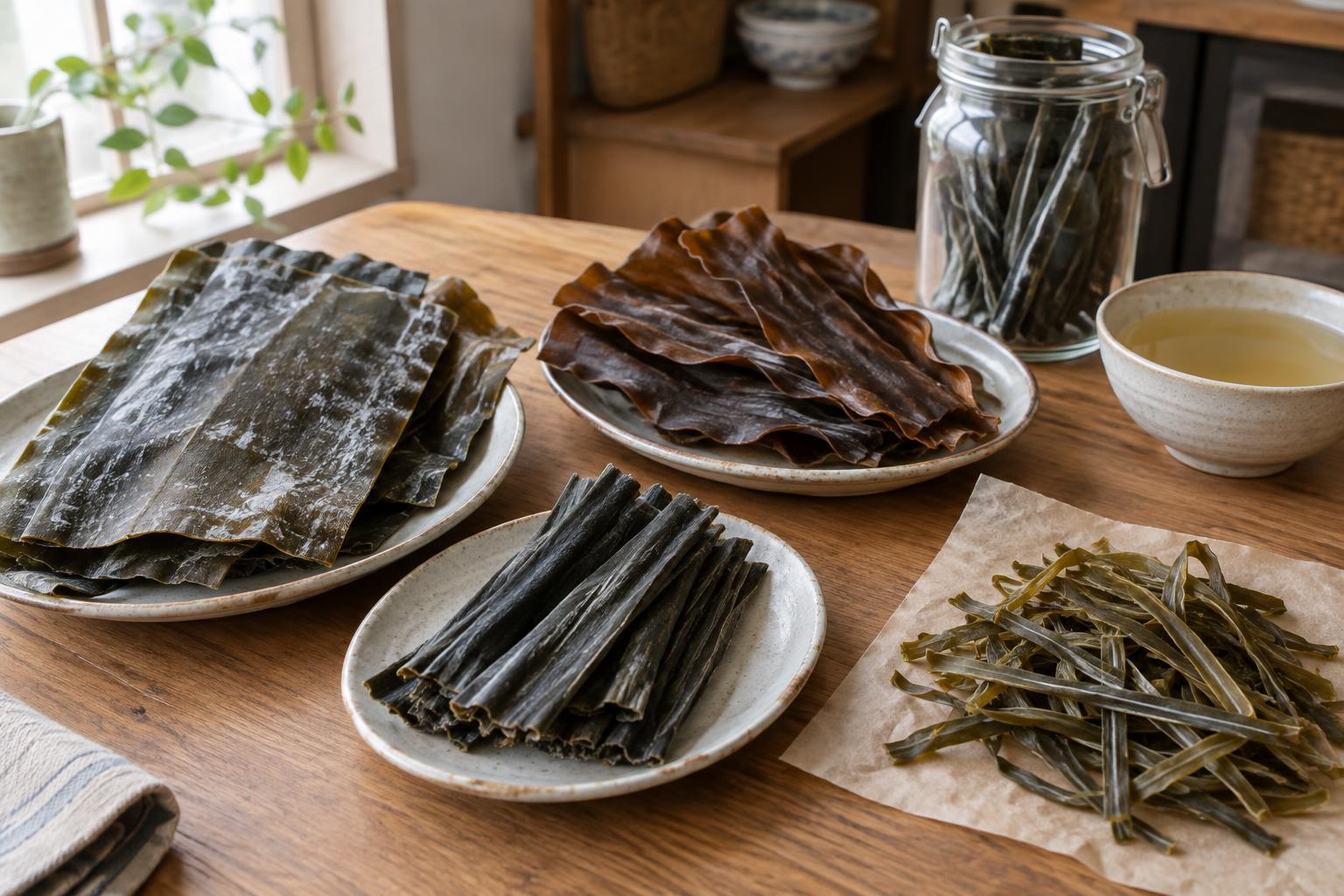
Japanese IngredientsMa, Rishiri, Rausu and Hidaka kombu can all earn a place in a home kitchen. Learn how their typical flavors and textures differ, what to look for when shopping, and how to store and use dried kelp.
Read article · 4 min↗
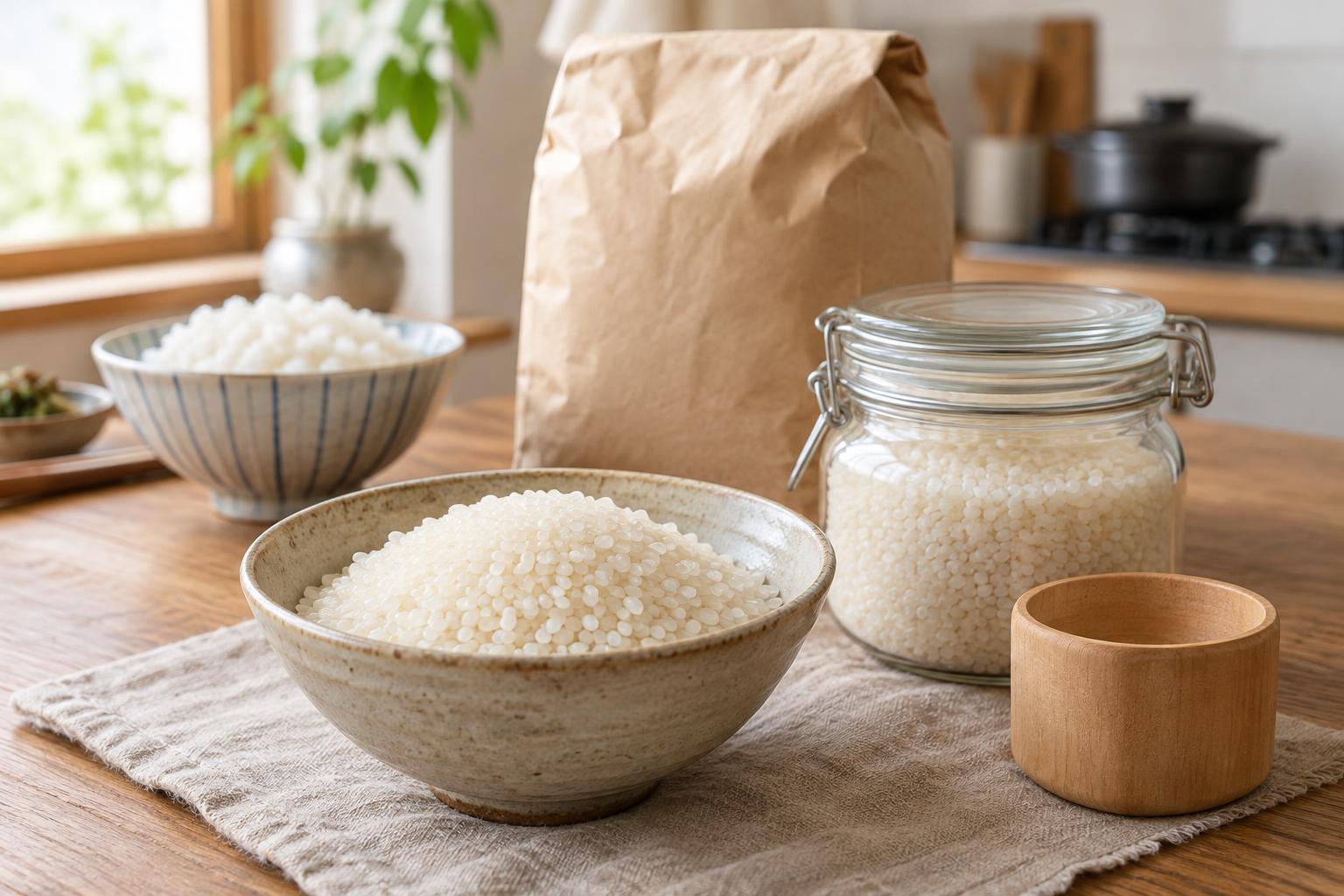
Japanese IngredientsThe right bag of rice can make everyday Japanese meals easier to enjoy. Learn how to recognize common labels, choose rice for your cooking habits, and store it so its flavor and texture stay at their best.
Read article · 4 min↗
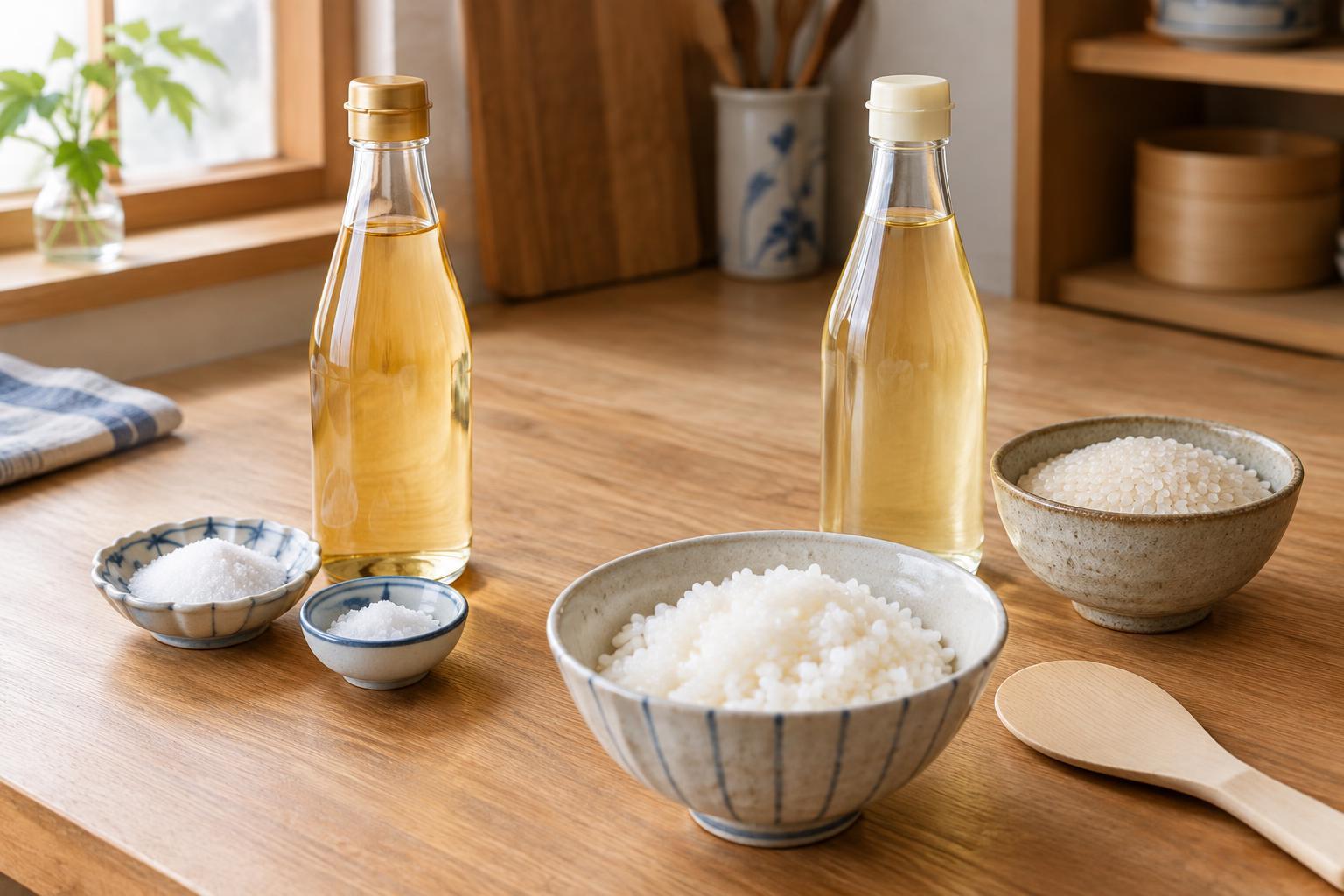
Japanese IngredientsSeasoned and unseasoned Japanese rice vinegar can look similar on the shelf, but they play different roles in cooking. Learn what each contains, where to use it, and how to adjust a recipe when you have only one bottle.
Read article · 3 min↗
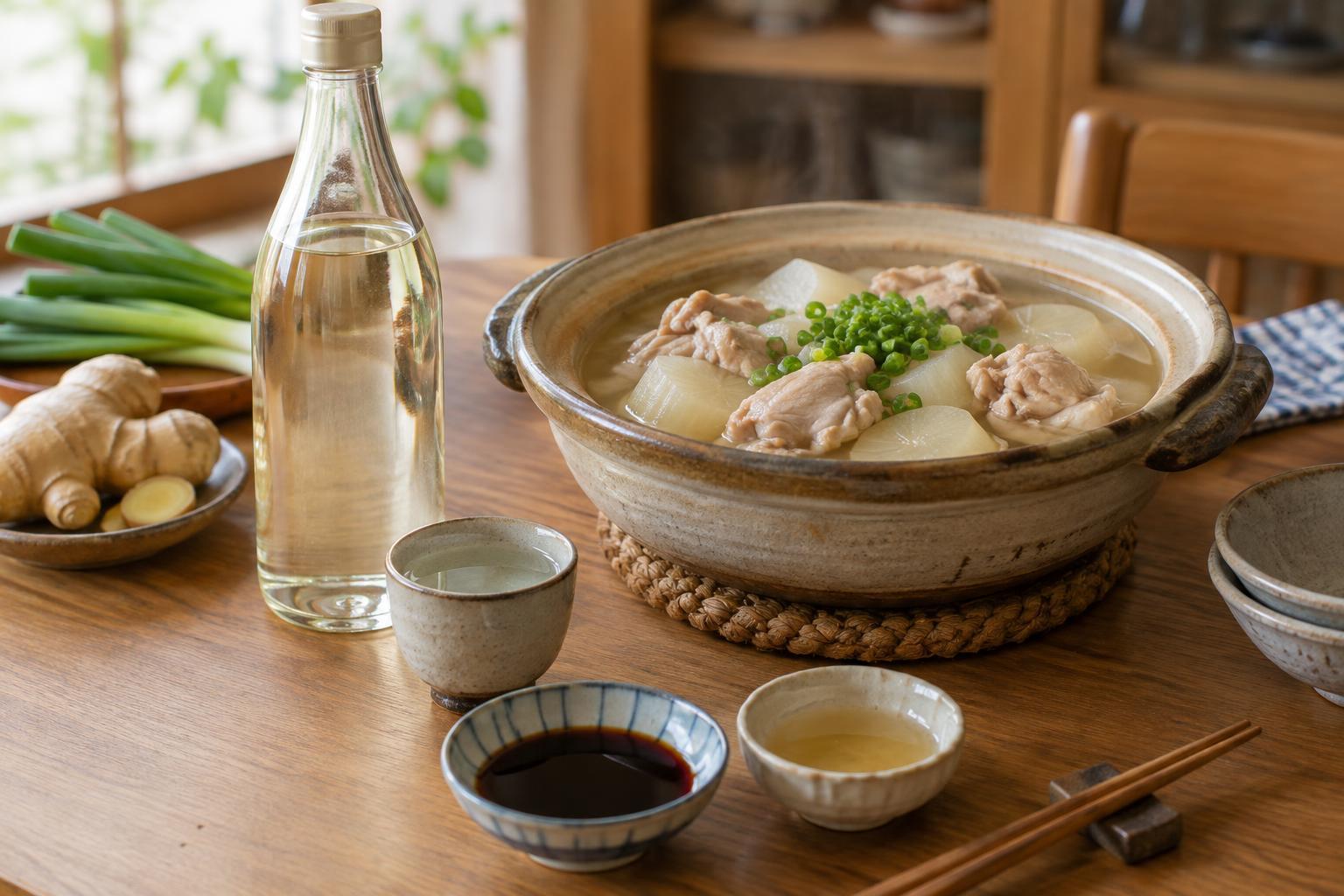
Japanese IngredientsCooking sake adds gentle aroma and depth to many Japanese home dishes. Learn how to choose a bottle, tell it apart from mirin, and use it in marinades, simmered dishes and quick pan sauces.
Read article · 4 min↗
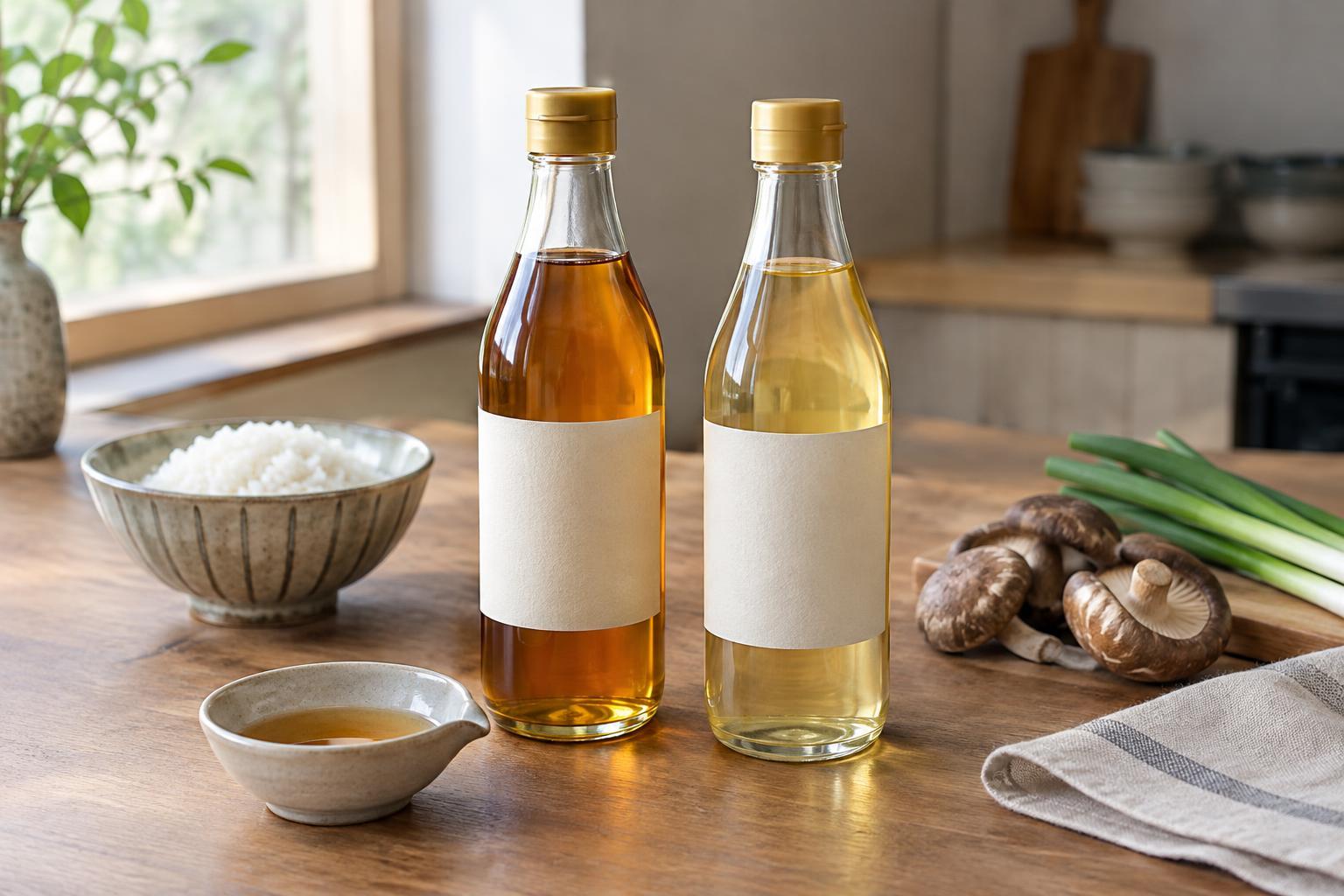
Japanese IngredientsTwo bottles may both say “mirin” but behave differently in a recipe. Learn what hon mirin and mirin-style seasoning are, which label details matter, and how to adjust when you use one in place of the other.
Read article · 3 min↗
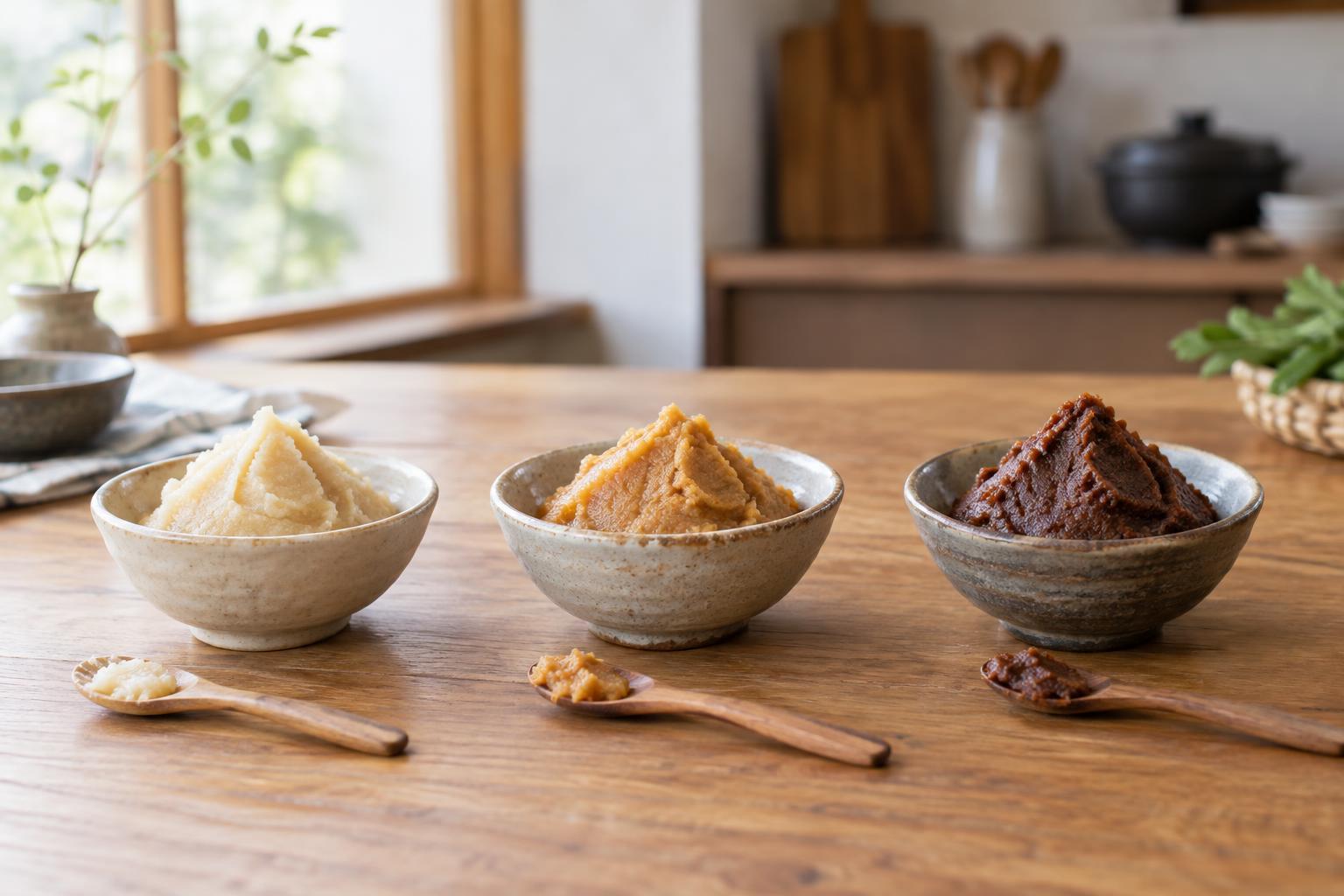
Japanese IngredientsMiso color offers a useful first clue, but it does not tell the whole story. Learn how white, yellow, and red miso tend to taste, why saltiness varies, and how to choose one for everyday cooking.
Read article · 4 min↗
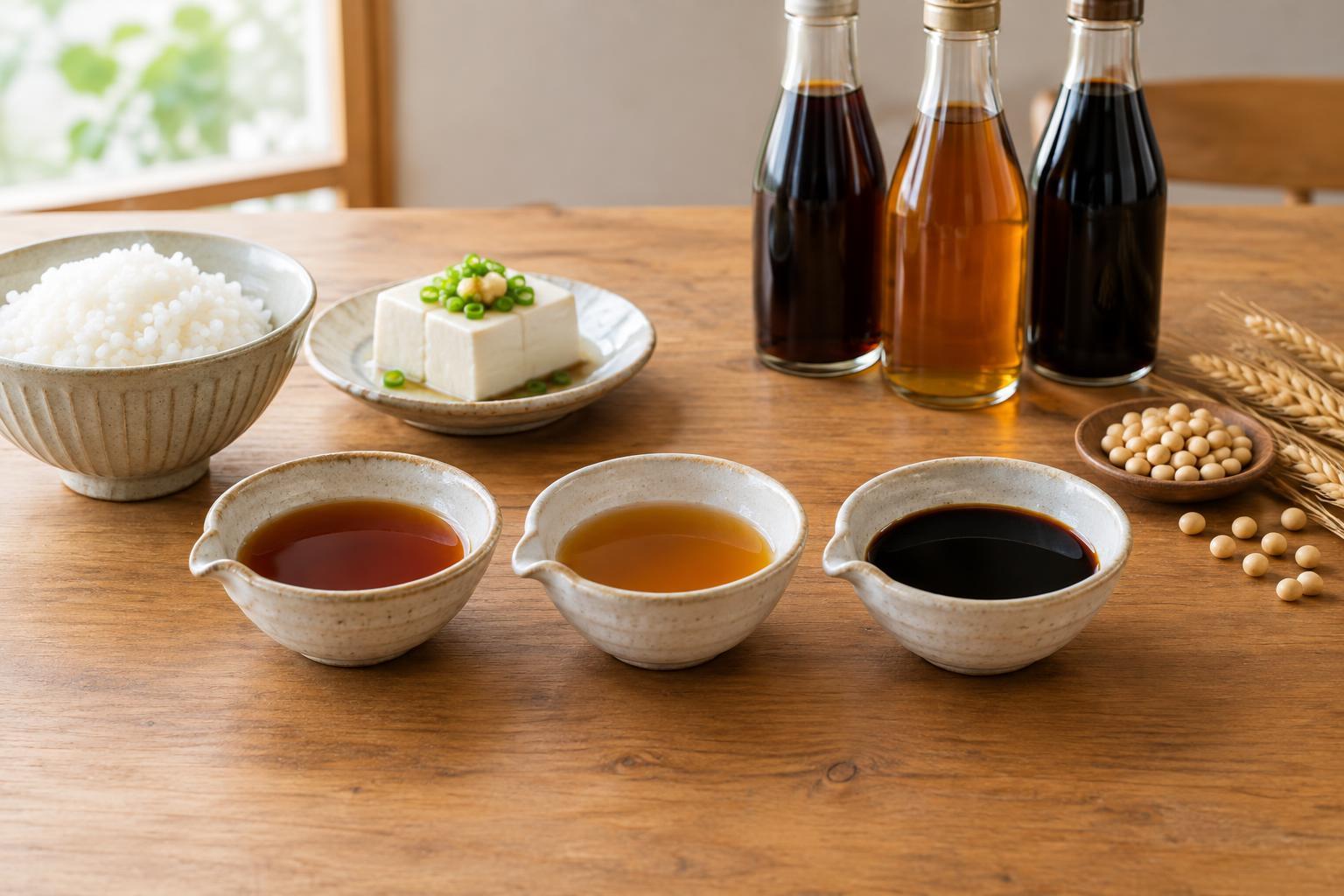
Japanese IngredientsJapanese soy sauces can differ in color, aroma, saltiness, and how they shape a dish. Learn what koikuchi, usukuchi, and tamari bring to everyday cooking, when to use each one, and why labels matter.
Read article · 3 min↗
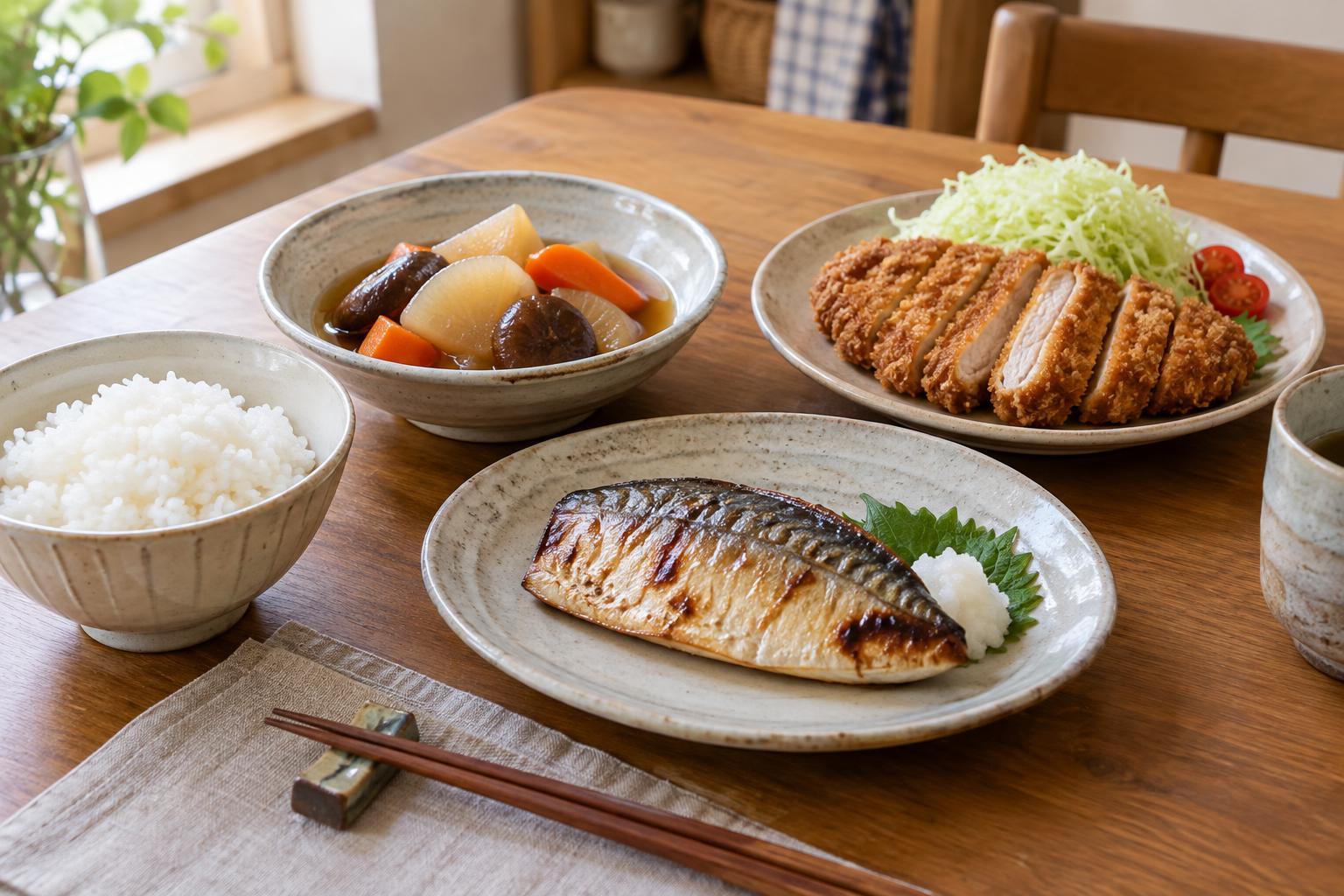
Home CookingA Japanese home-style meal can be built around a gently simmered vegetable, a simply grilled fish, or a crisp fried cutlet. Learn what each method does well, how to choose among them, and how to keep the rest of the meal manageable.
Read article · 4 min↗
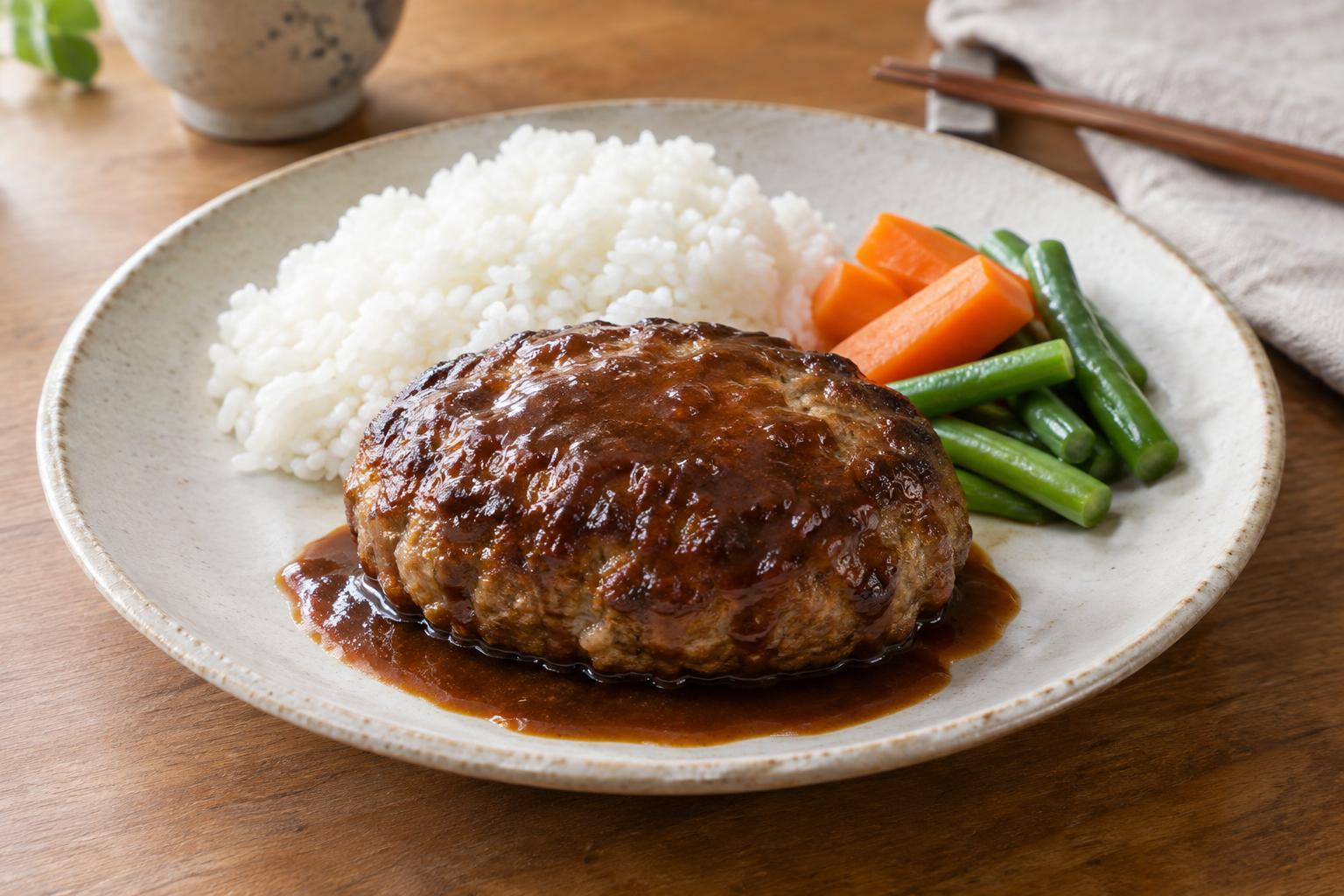
Home CookingHambagu is a tender Japanese hamburger steak served without a bun, often with rice and vegetables. Learn how to prepare the onion, shape and cook the patties, and turn the pan drippings into a quick savory sauce.
Read article · 4 min↗
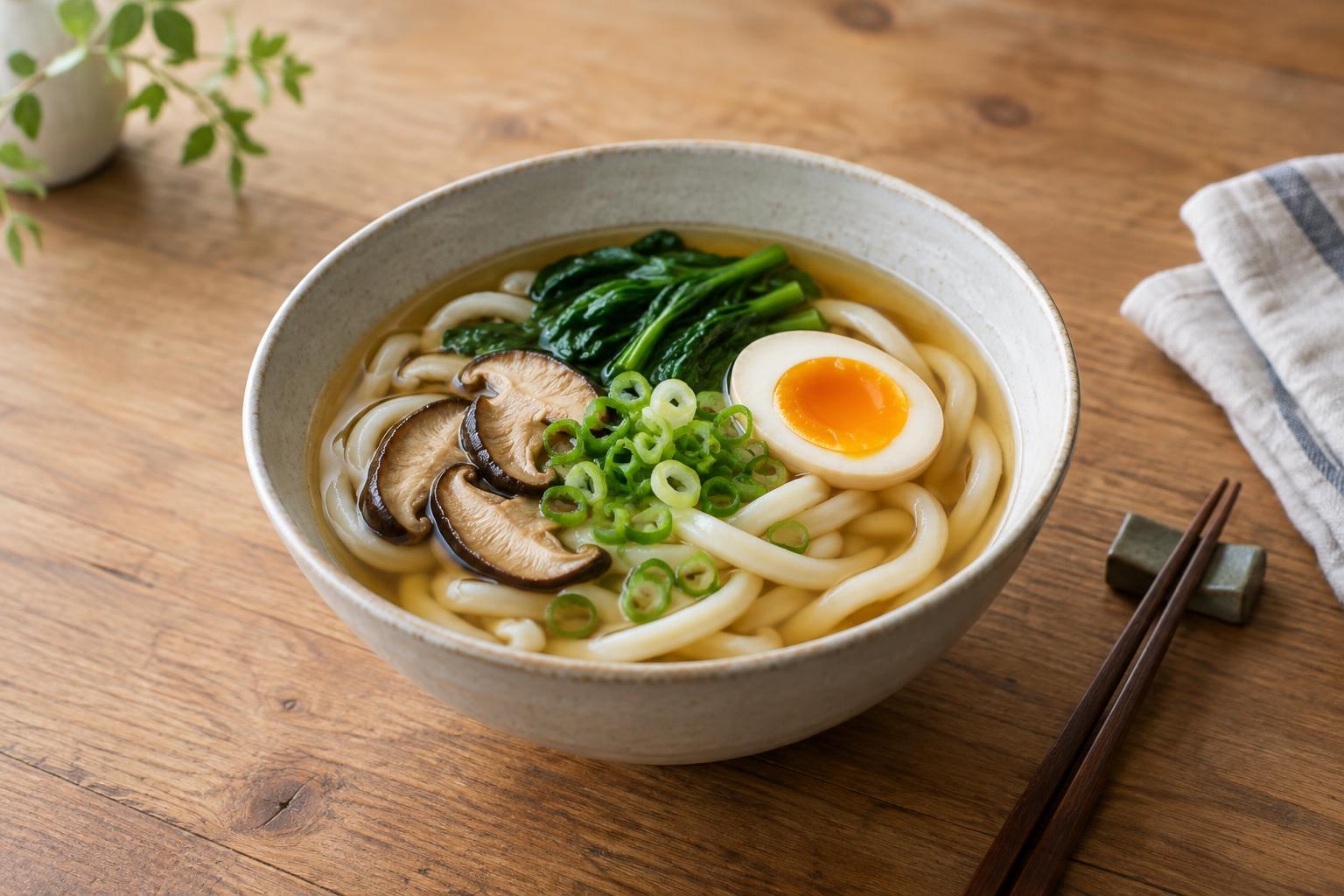
Home CookingA comforting bowl of hot udon needs only a few parts: chewy noodles, a gently seasoned broth and toppings chosen for texture and flavor. Learn an adaptable method using pantry-friendly ingredients, with options for a quick weeknight bowl or a more substantial meal.
Read article · 4 min↗
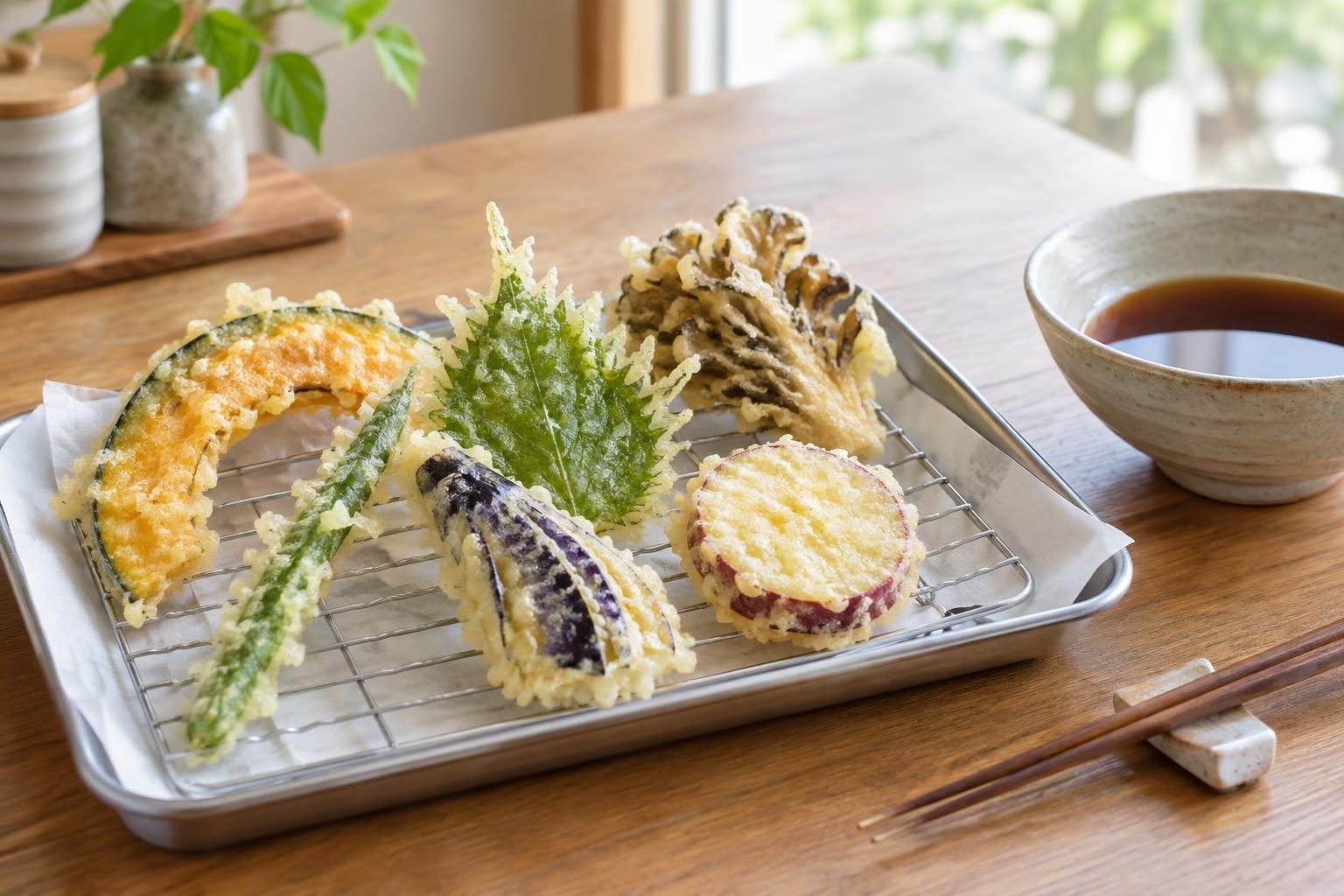
Home CookingGood vegetable tempura depends on more than a batter recipe. Learn how to prepare vegetables, mix a light coating, manage the frying oil, and serve each batch while it is crisp.
Read article · 4 min↗
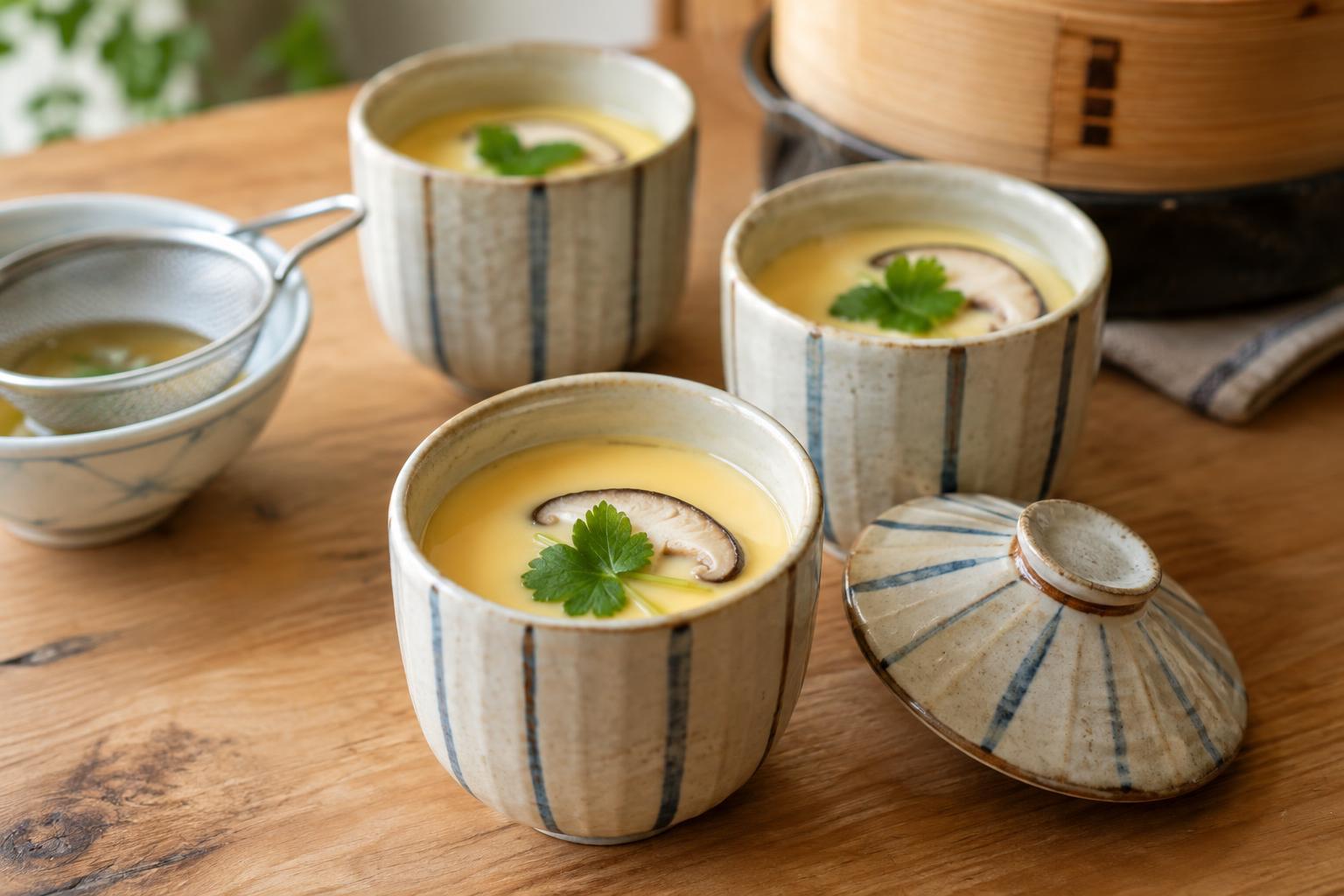
Home CookingChawanmushi is a delicate Japanese egg custard with a smooth, softly set texture. Learn a simple dashi-to-egg ratio, how to strain and portion the mixture, and how gentle steam prevents bubbles and a spongy finish.
Read article · 4 min↗
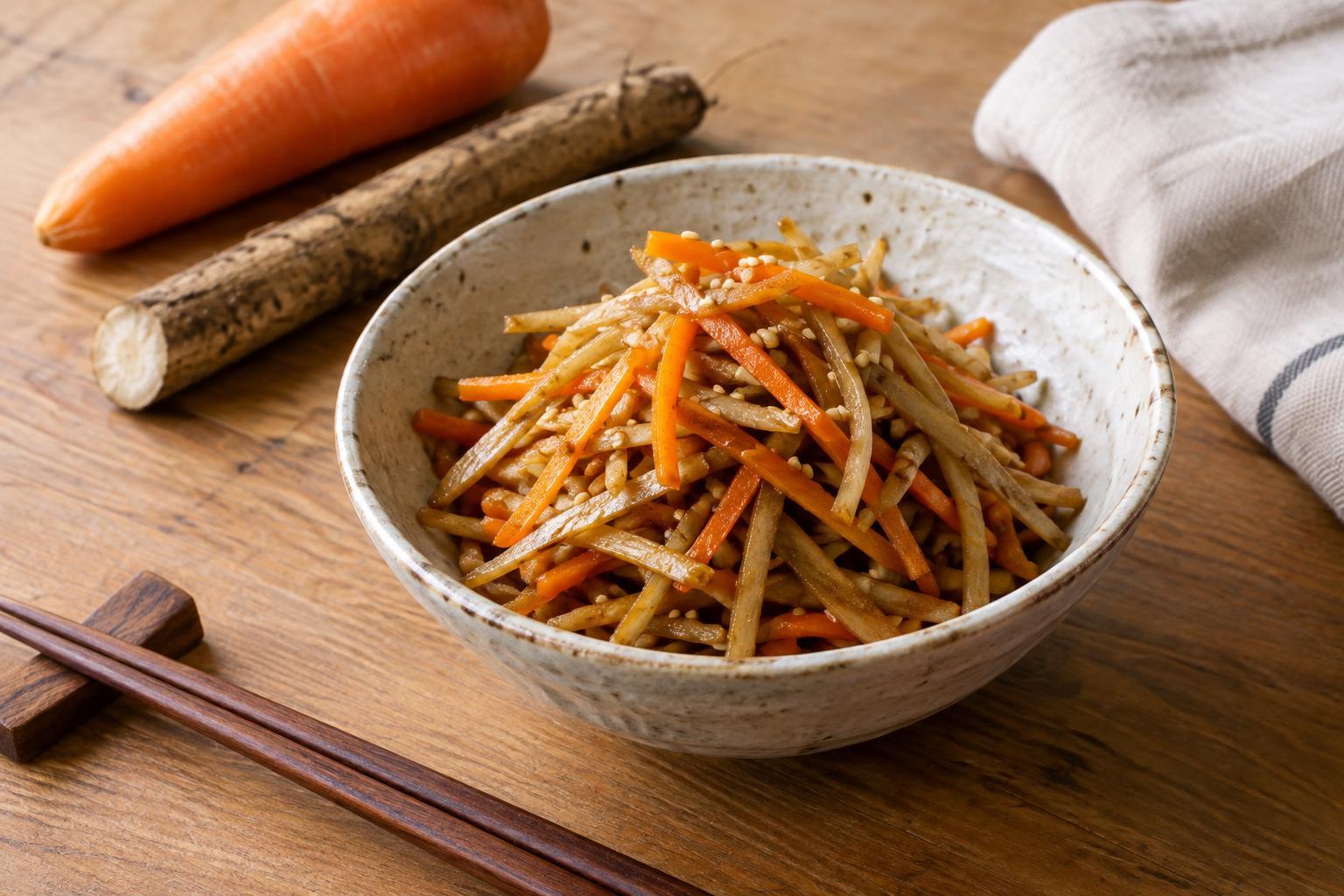
Home CookingKinpira gobo turns burdock root and carrot into a savory-sweet side dish with a satisfying bite. Learn how to cut the vegetables, cook them without losing their texture, and adjust the seasoning to suit your meal.
Read article · 4 min↗
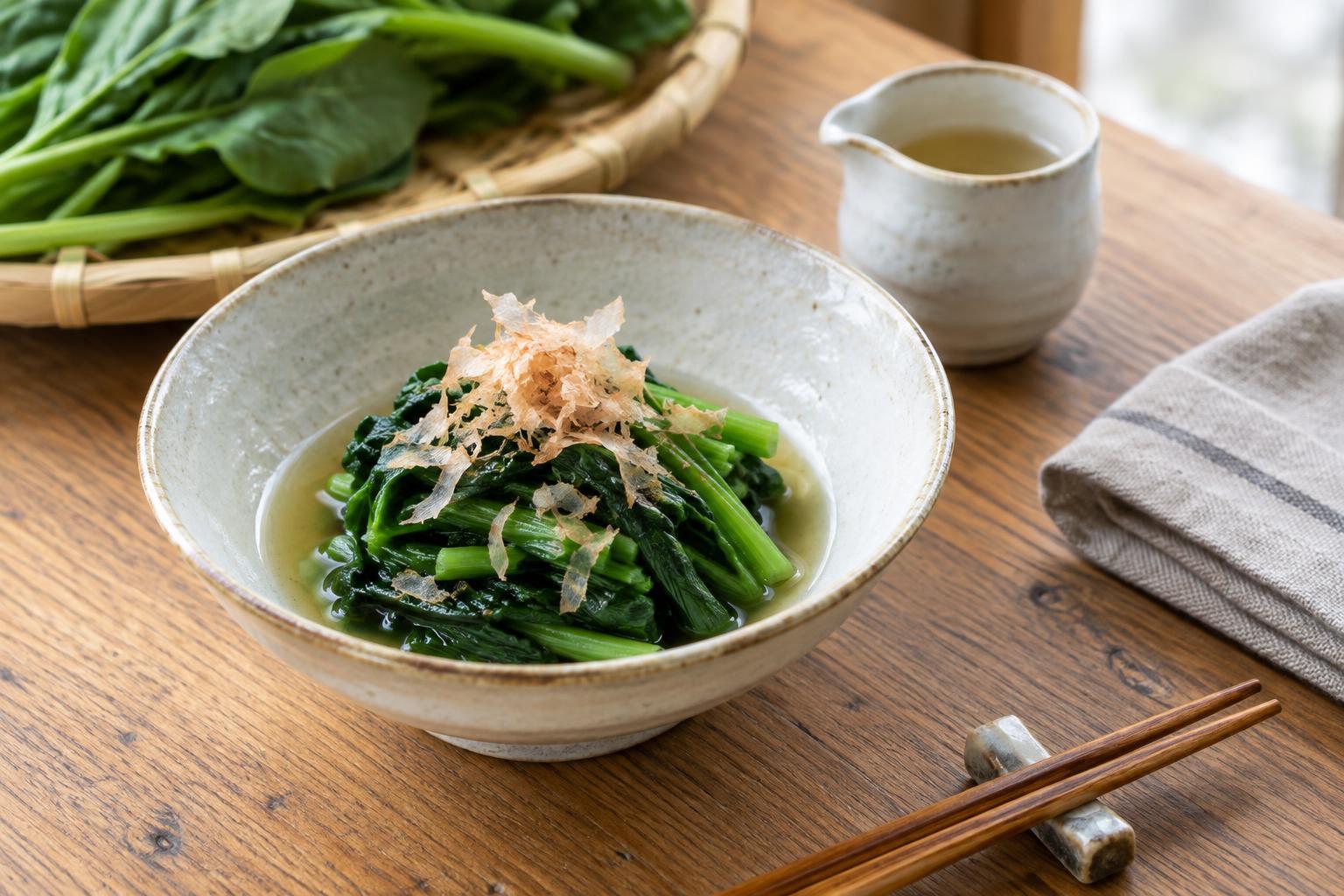
Home CookingOhitashi turns a bunch of leafy greens into a simple Japanese side dish. Learn how to blanch, cool and gently squeeze the greens, then season them with a light dashi-and-soy mixture.
Read article · 4 min↗
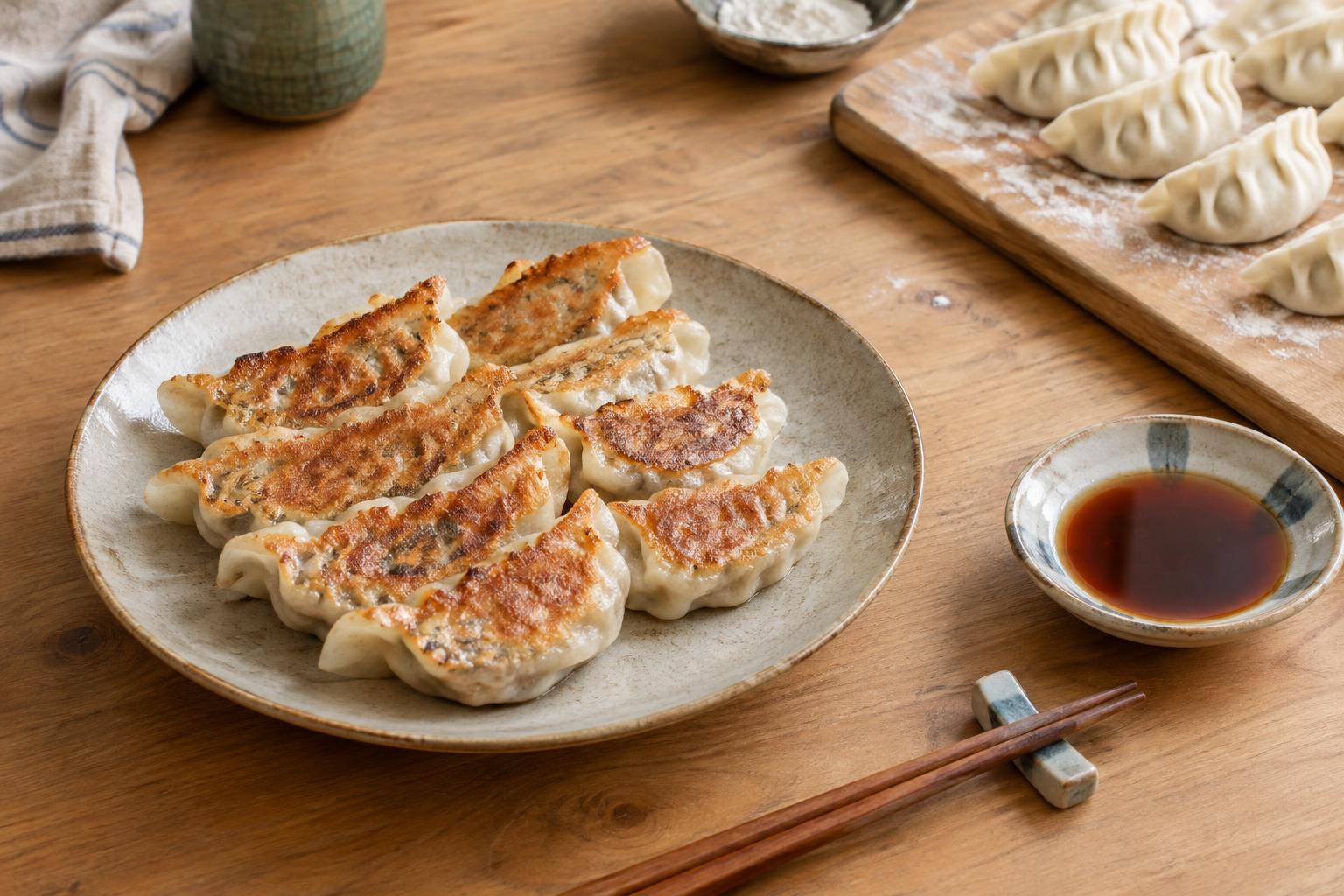
Home CookingCrisp on the bottom and tender on top, pan-steamed gyoza are well suited to home cooking. Learn how to prepare a pork-and-cabbage filling, fold the wrappers, and cook a batch without the dumplings sticking together.
Read article · 4 min↗
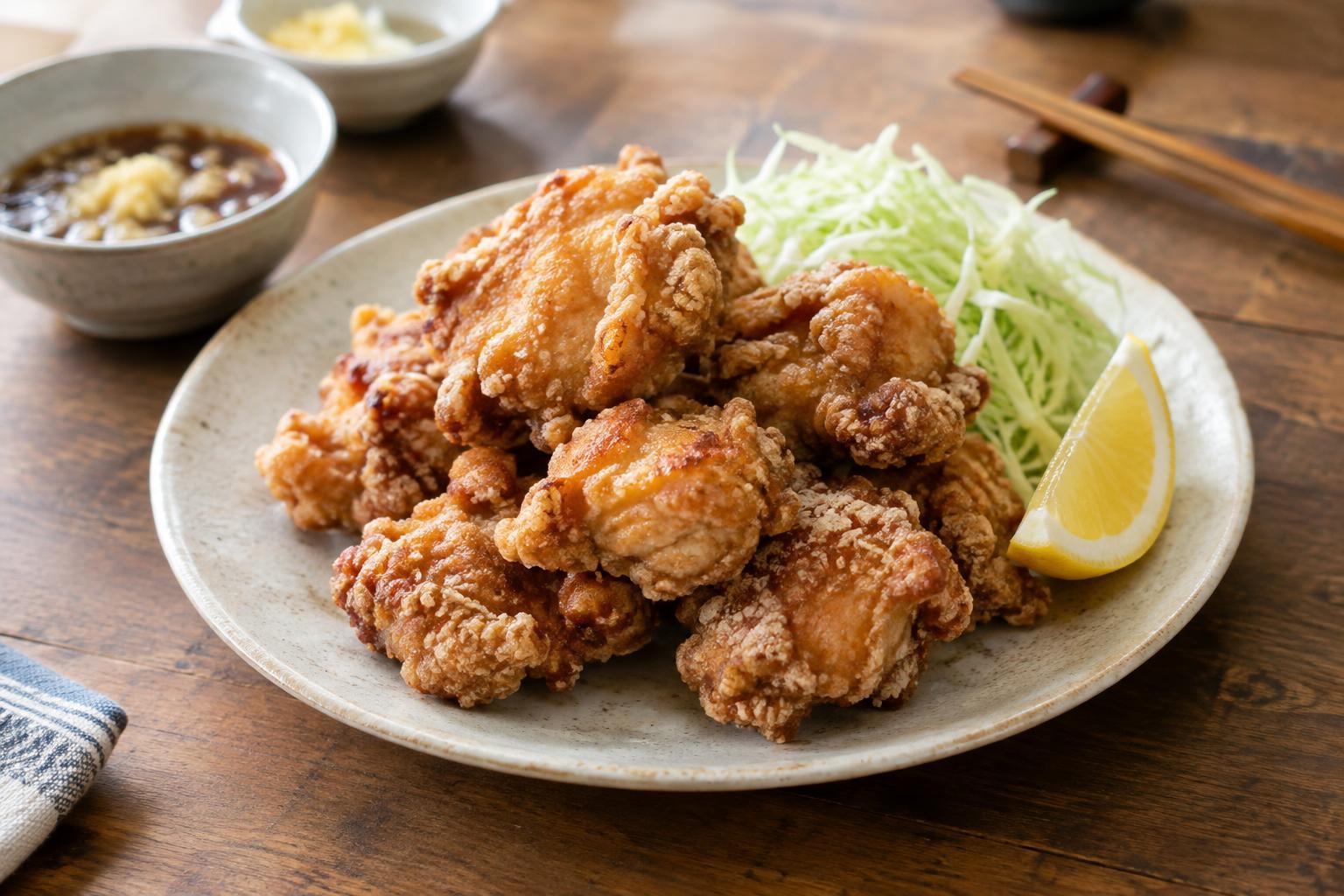
Home CookingCrisp on the outside and juicy within, karaage is a practical dish to make at home. Learn how to season chicken, coat it with potato starch, and fry it in manageable batches, with tips for checking doneness and serving it fresh.
Read article · 4 min↗
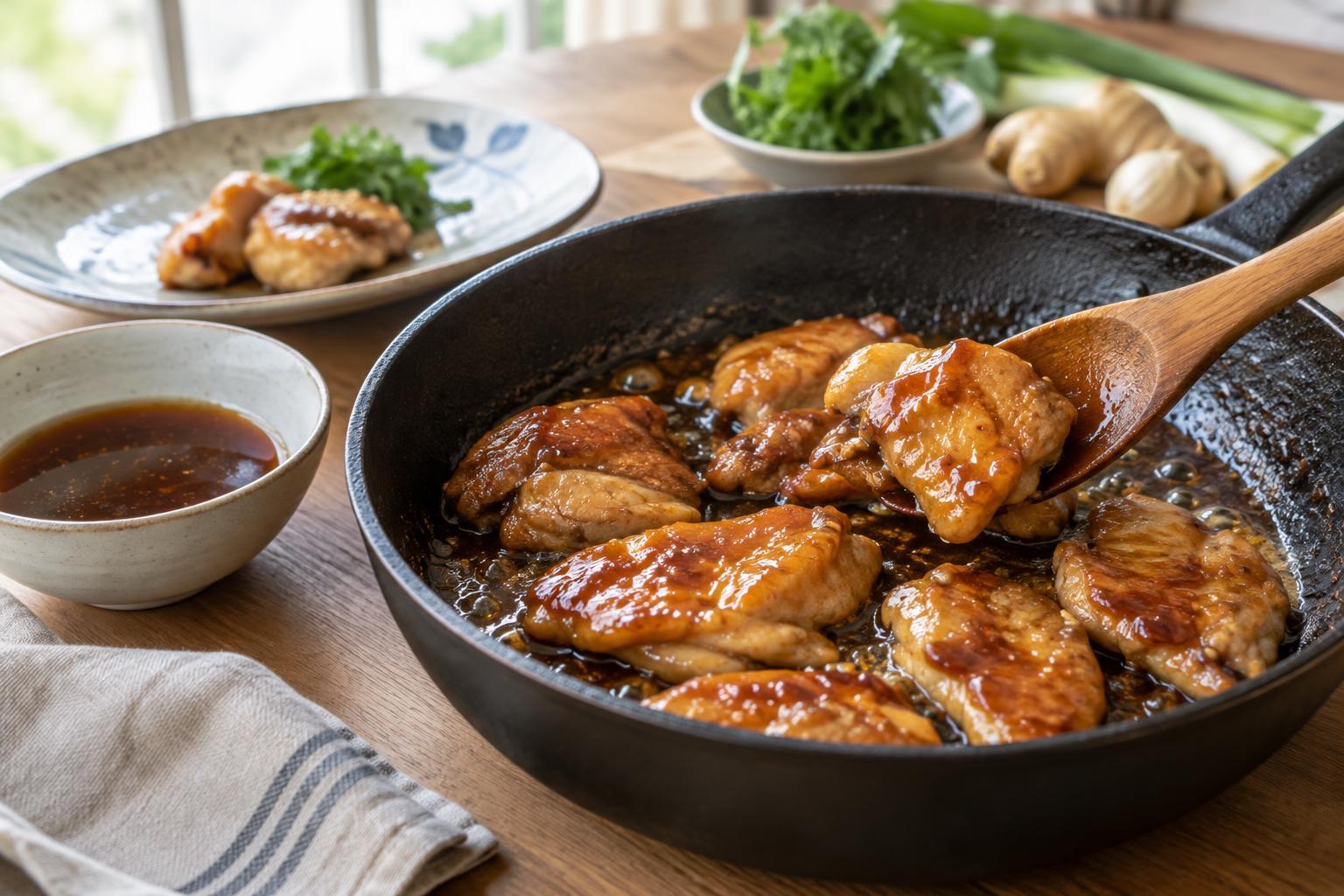
Home CookingA good teriyaki glaze turns glossy and lightly coats the food without leaving a sticky, scorched pan. Learn when to add the sauce, how to control the heat, and what to do if it thickens too quickly.
Read article · 4 min↗
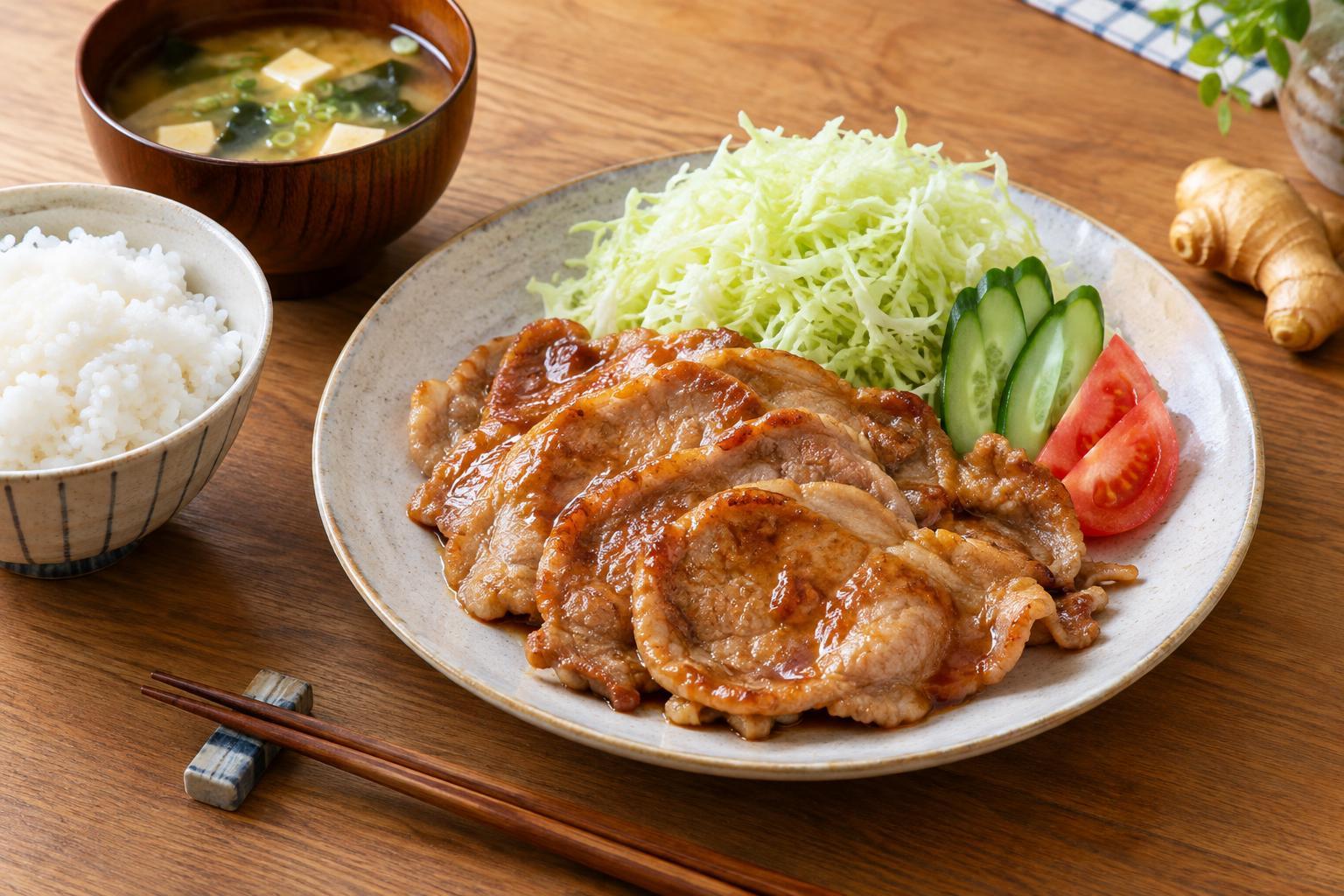
Home CookingShogayaki pairs thin slices of pork with a savory ginger sauce. Learn how to choose the pork, mix the sauce, cook it without crowding the pan, and serve it as an everyday Japanese meal.
Read article · 4 min↗
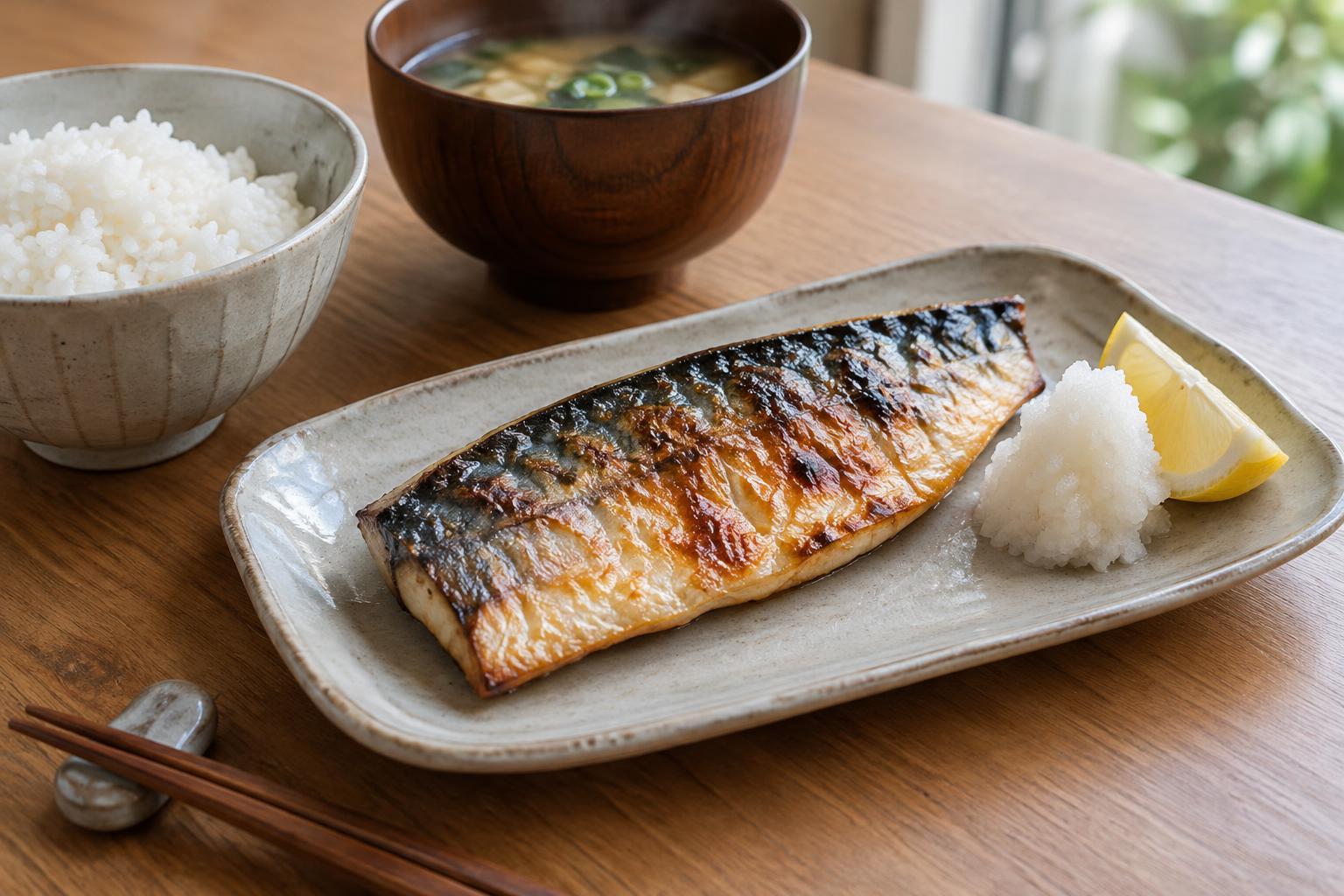
Home CookingA simple salt-and-grill method brings out the flavor of fish without a complicated marinade. Learn how to choose fillets, salt them evenly, manage heat and serve them as part of an everyday Japanese-style meal.
Read article · 4 min↗
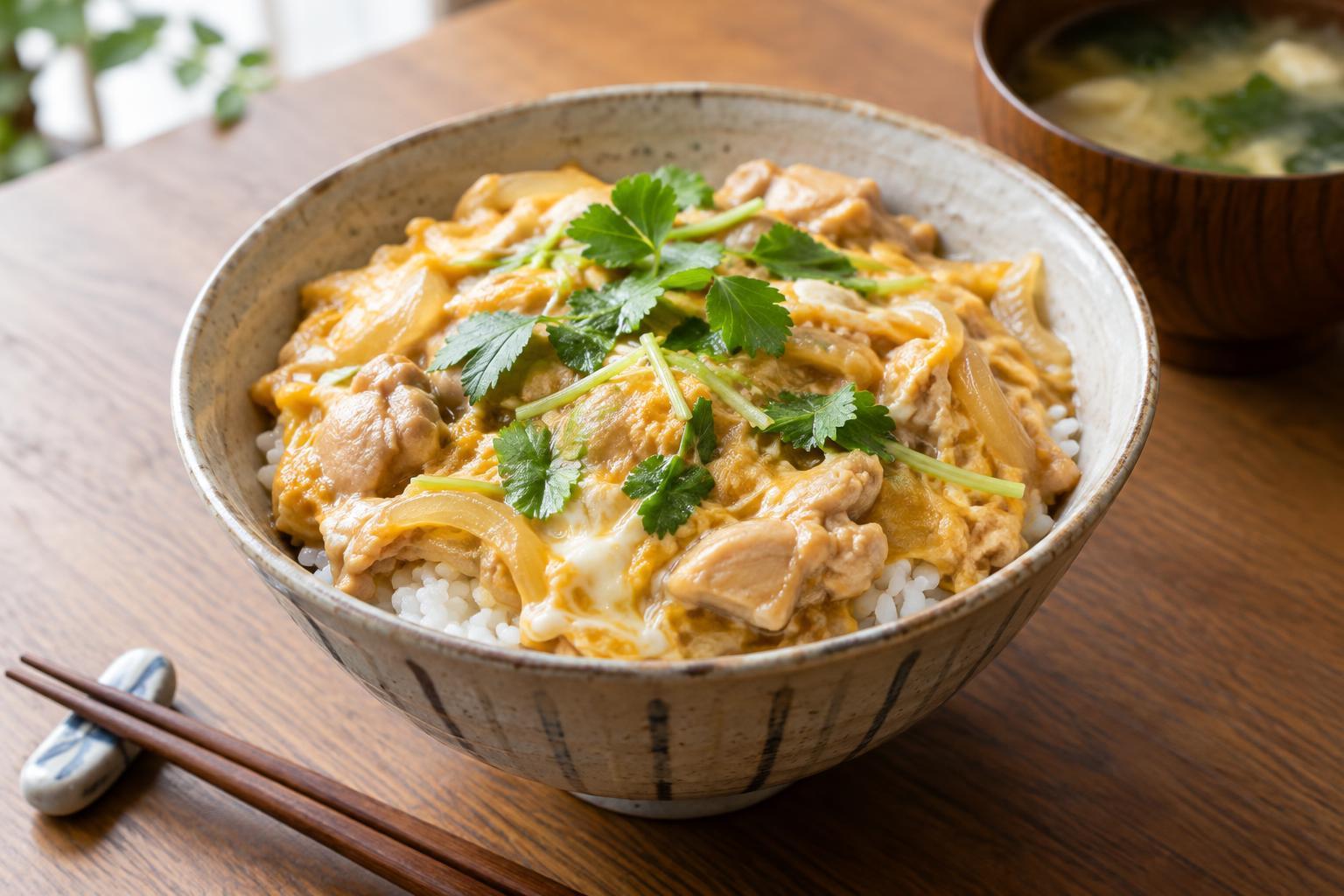
Home CookingOyakodon brings tender chicken, onion and softly cooked egg together over a bowl of rice. Learn how to make this Japanese home-cooking favorite in two small batches, with a simple broth and a few tips for getting the texture you like.
Read article · 4 min↗
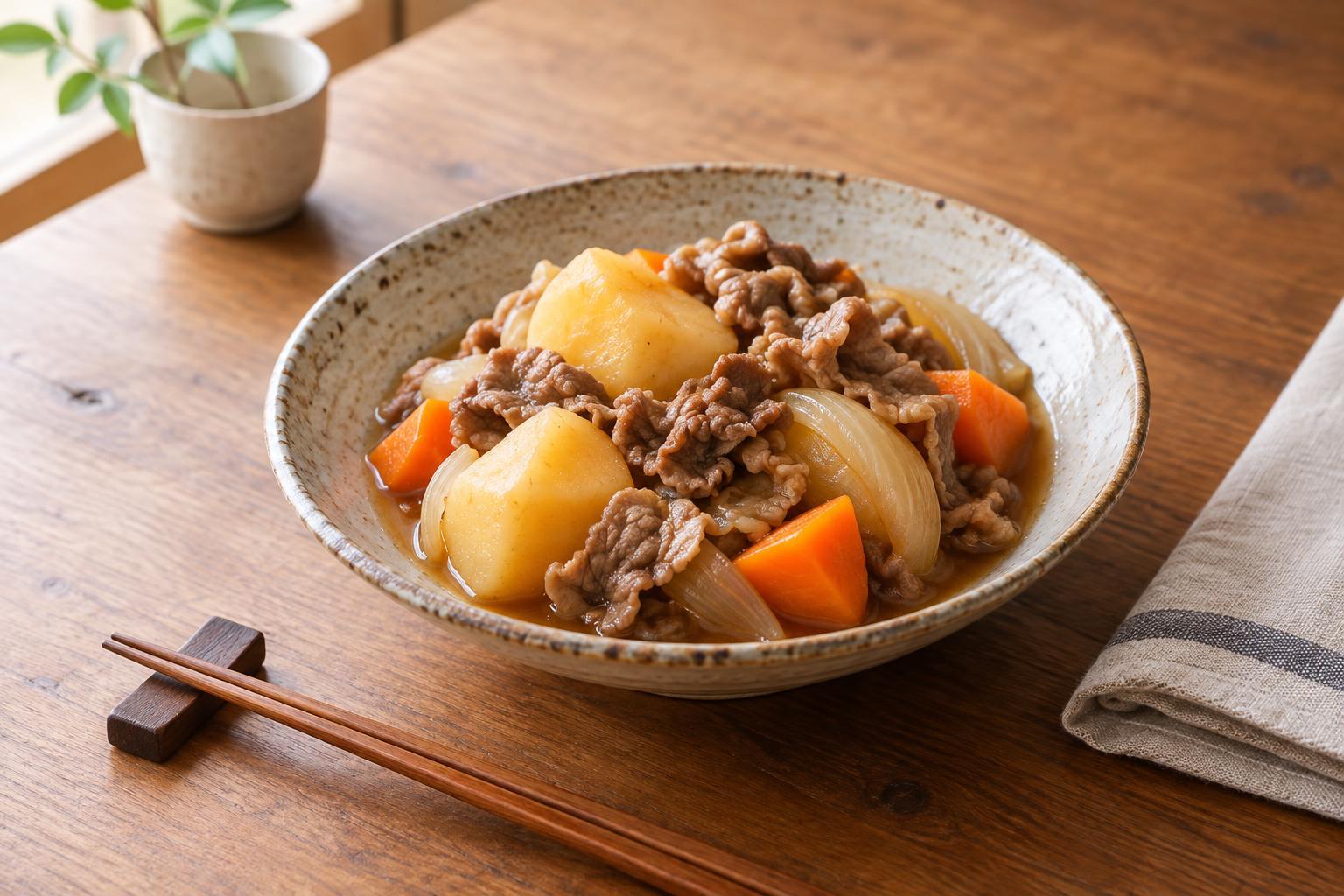
Home CookingNikujaga is a home-style Japanese dish of meat, potatoes and onions simmered in a lightly sweet soy-based broth. Learn how to choose and cut the potatoes, keep the liquid at a gentle simmer and finish with tender pieces that hold their shape.
Read article · 4 min↗
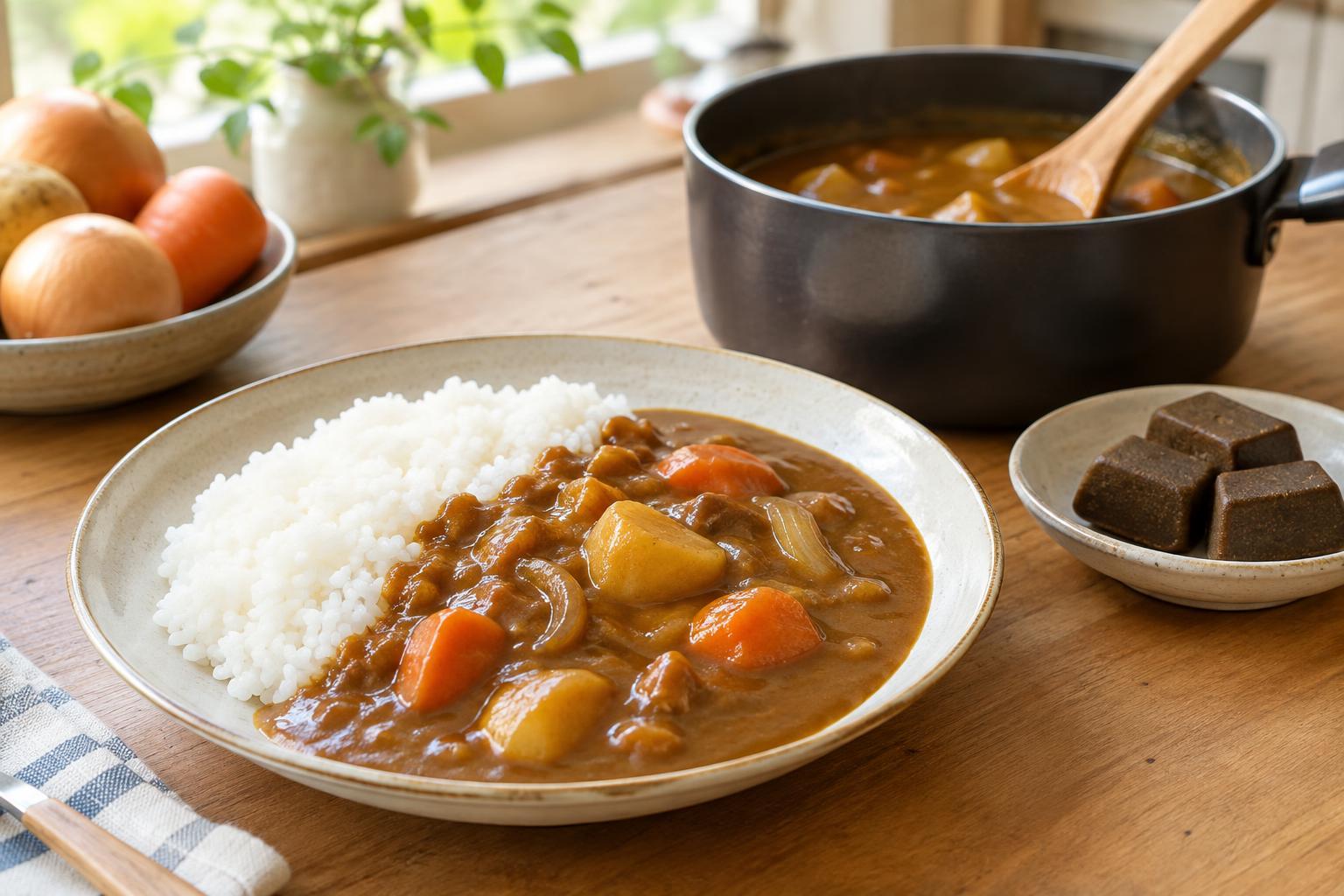
Home CookingJapanese curry roux blocks make a comforting home-style meal easy, but they can leave stubborn lumps if added to a vigorously boiling pot. Learn when to add the roux, how to dissolve it evenly, and what to do if the sauce is already lumpy.
Read article · 4 min↗
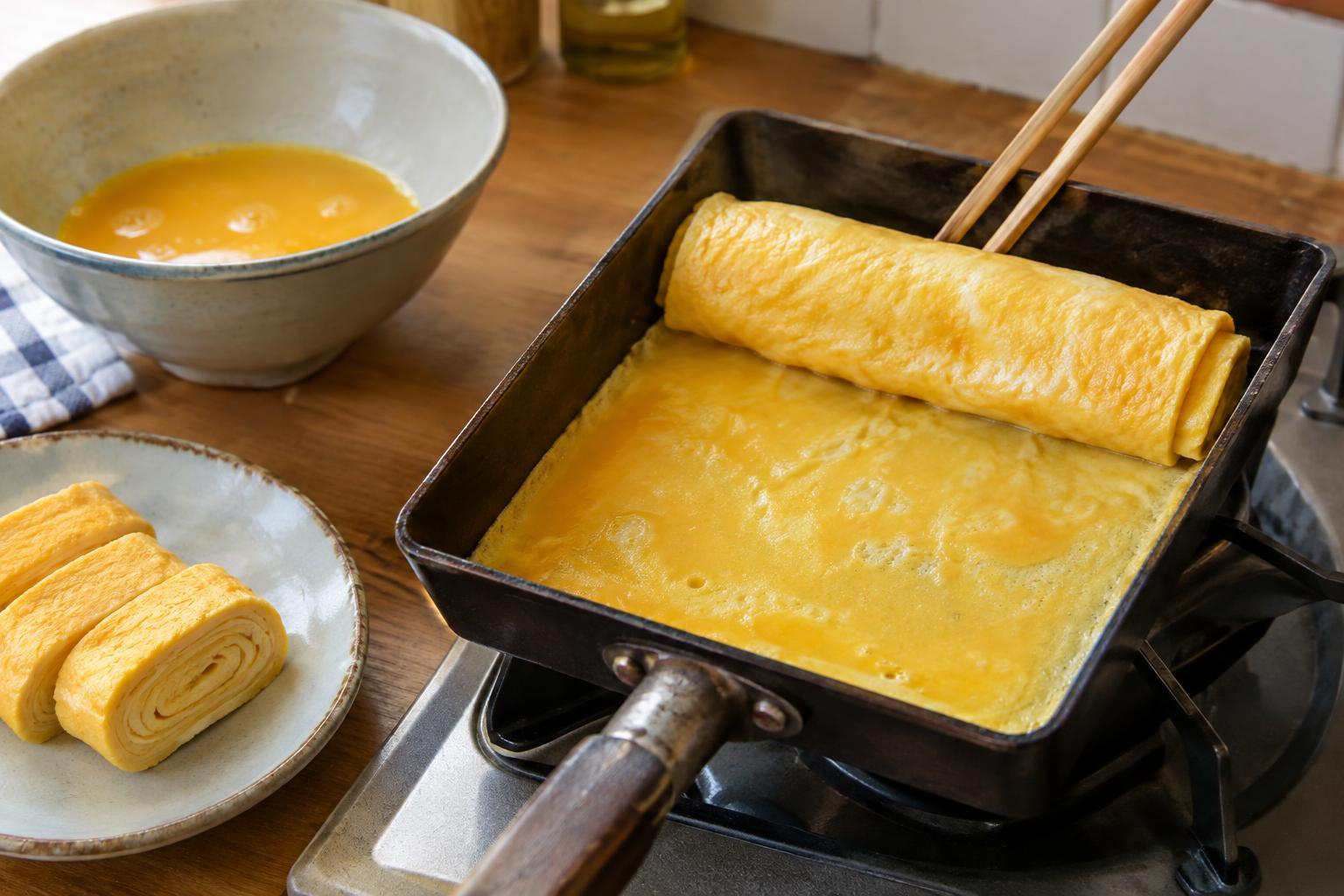
Home CookingLearn to make tamagoyaki one thin layer at a time. This beginner-friendly guide covers a simple egg mixture, the rolling technique, and ways to troubleshoot sticking, tearing, and uneven layers.
Read article · 4 min↗
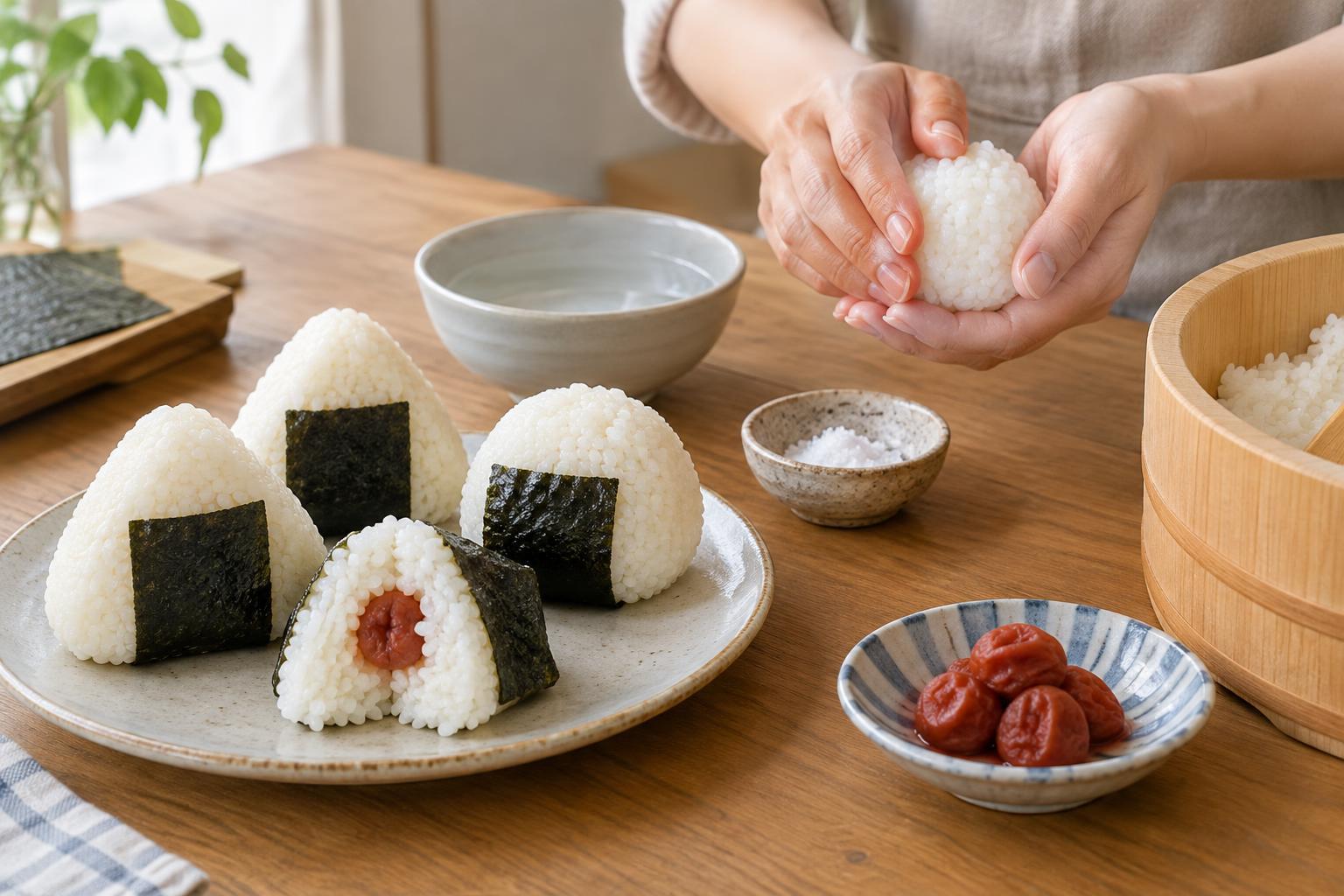
Home CookingOnigiri are simple rice balls made for eating by hand. Learn which rice to use, how to salt and shape it without squeezing too hard, and how to add fillings and nori for an everyday meal or snack.
Read article · 4 min↗
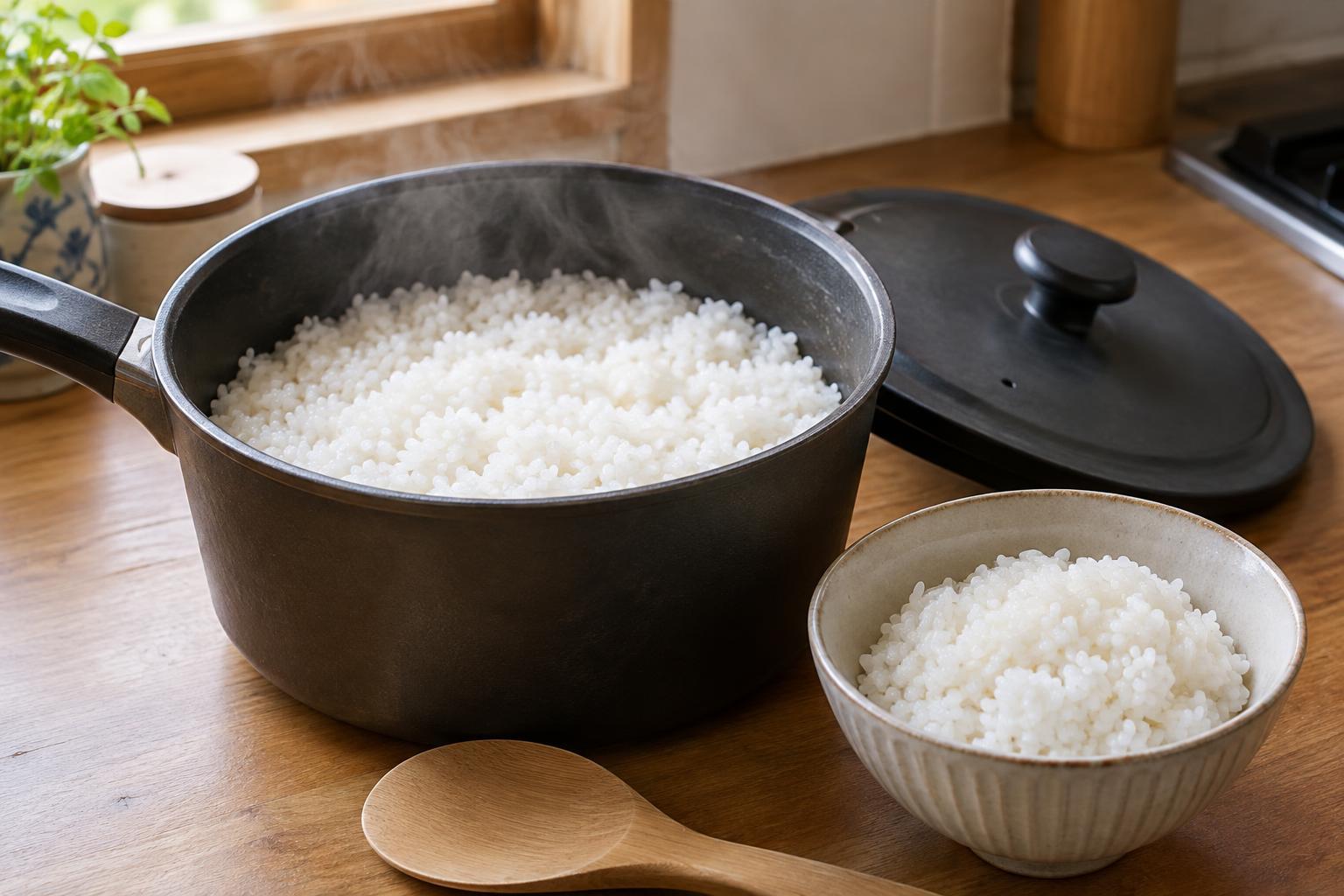
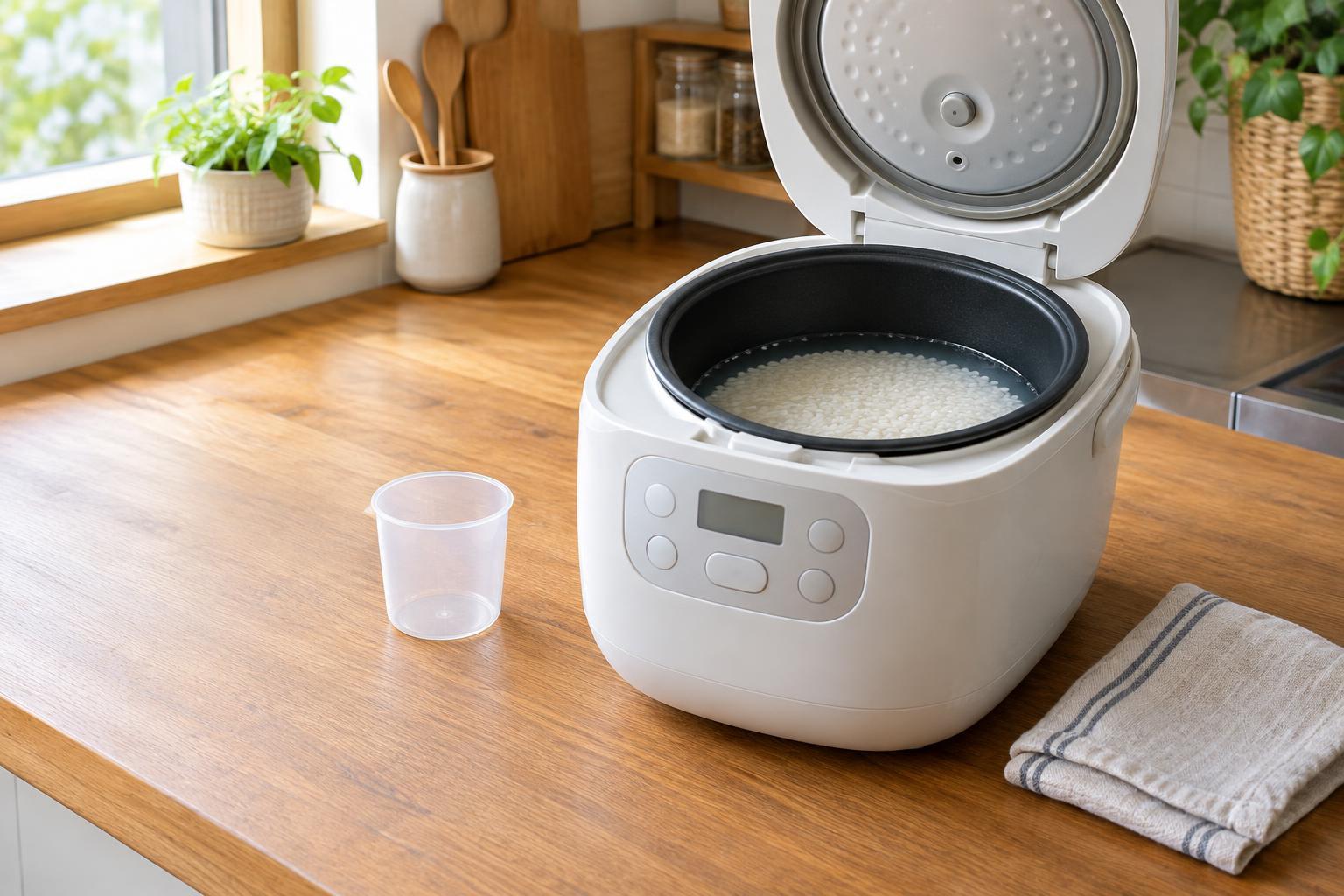
Home CookingA dependable pot of Japanese short-grain rice starts with a gentle rinse, a measured soak and a well-fitting lid. Learn a simple stovetop method, plus ways to adjust the water and avoid common problems.
Read article · 4 min↗
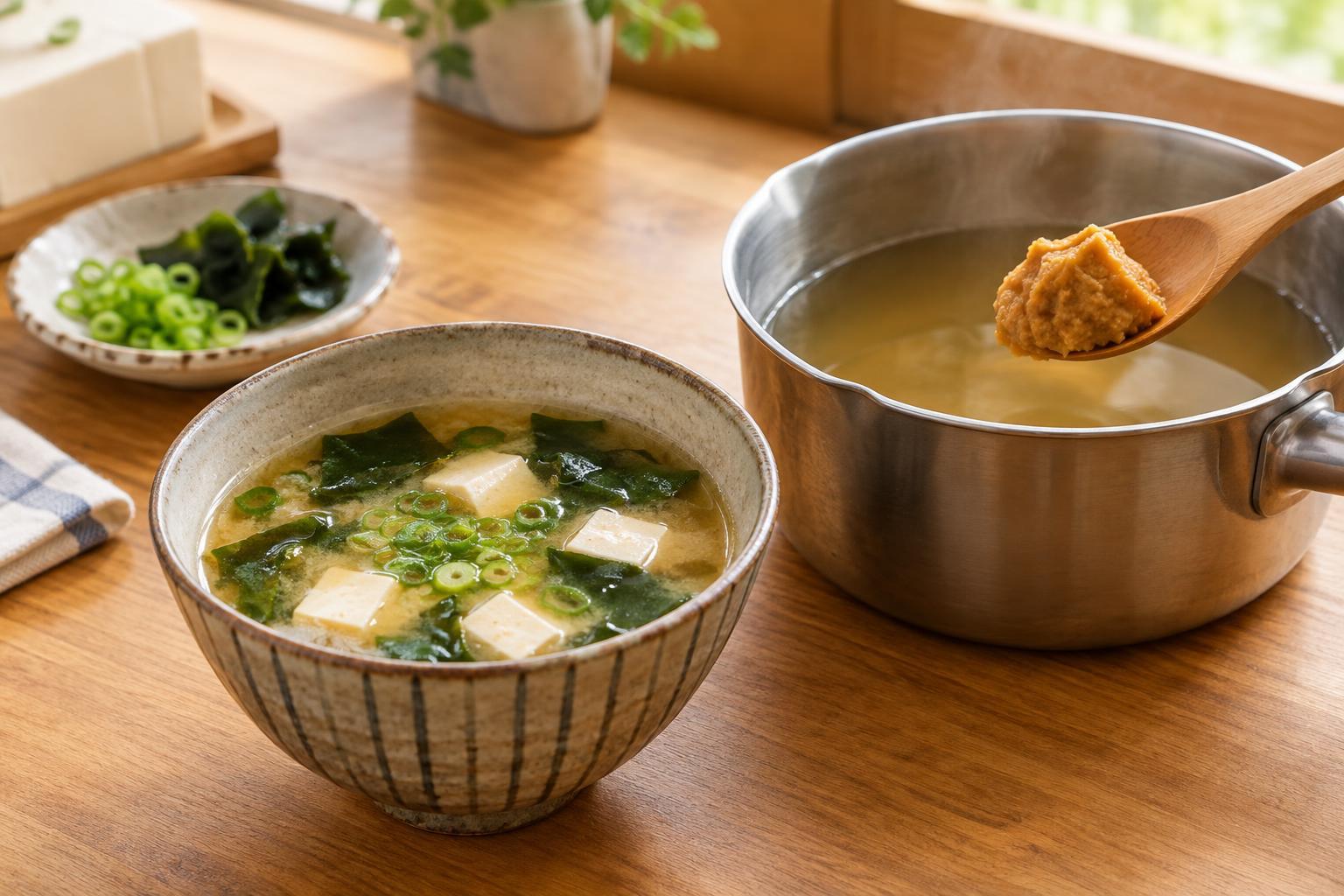
Home CookingA simple miso soup starts with a flavorful broth and ends with miso stirred in off the heat. Learn the order of ingredients, why a hard boil can dull the soup’s aroma, and how to adjust each bowl to your taste.
Read article · 4 min↗
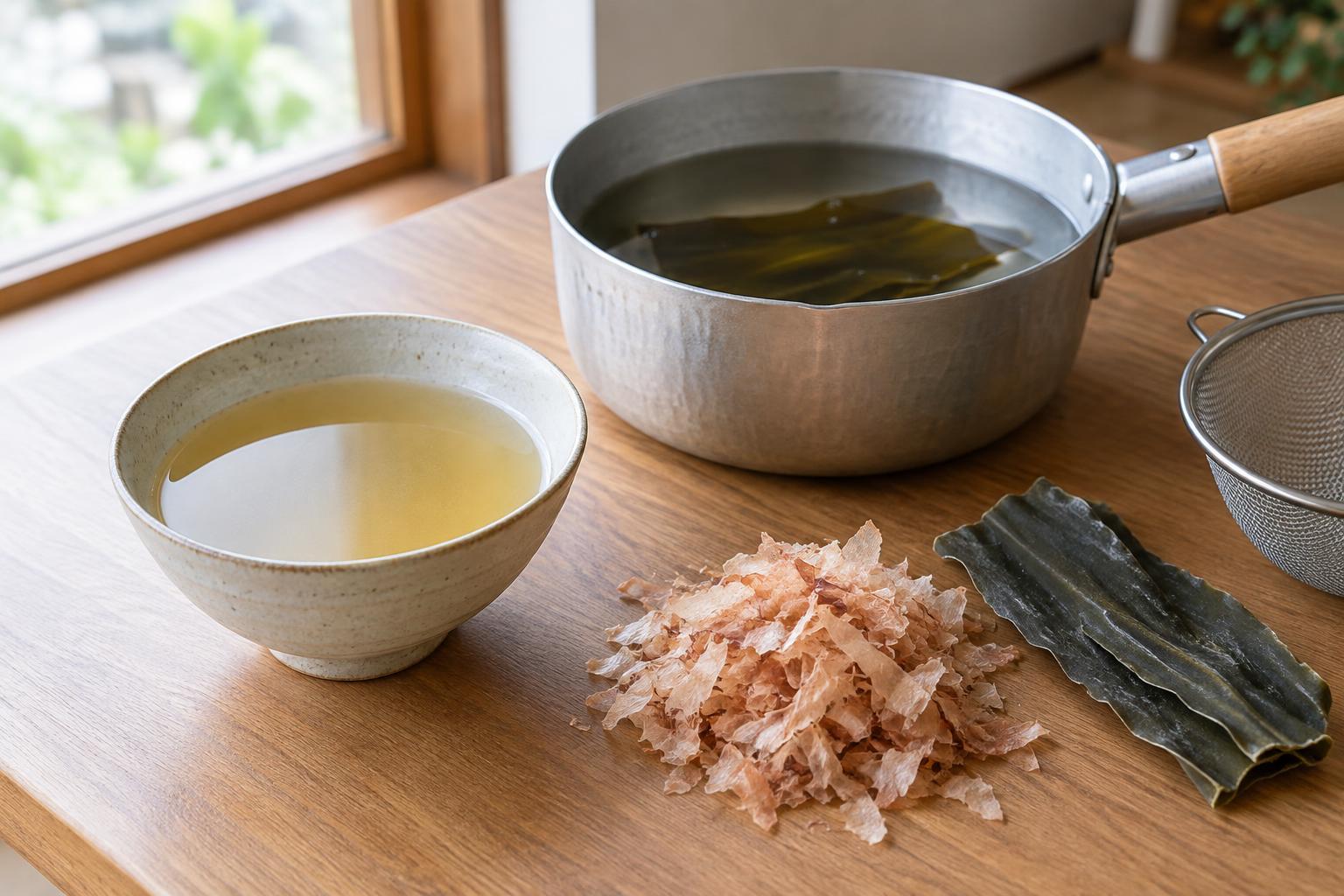
Home CookingKombu and bonito flakes make a light, savory stock that forms the base of many Japanese home dishes. Learn a straightforward method, how to adjust the flavor, and how to store and use your dashi.
Read article · 4 min↗
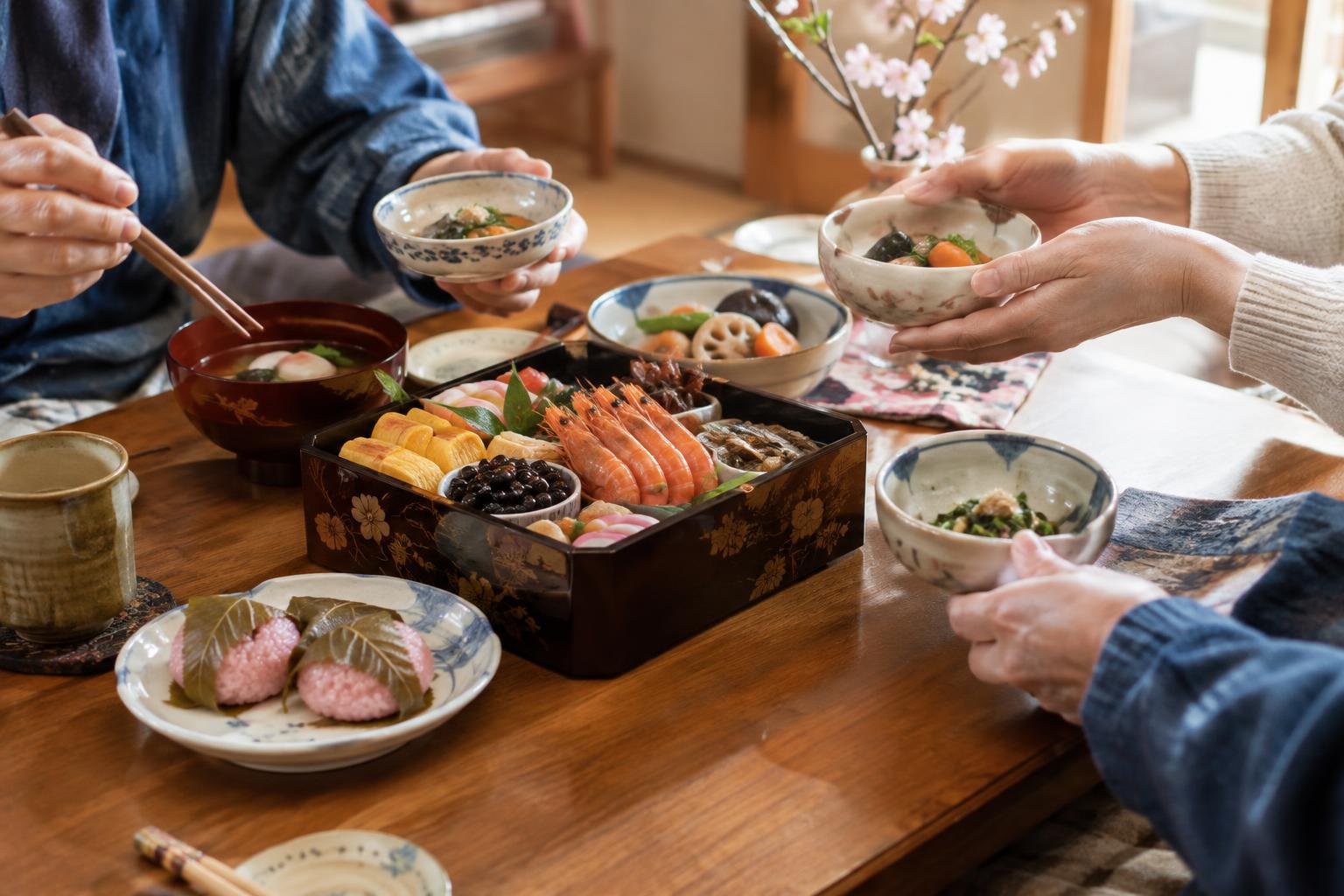
Food and Table CultureA festival food is more than a special recipe. In Japan, ingredients, timing, presentation, family habits and the act of sharing can all give a familiar dish a celebratory meaning.
Read article · 4 min↗
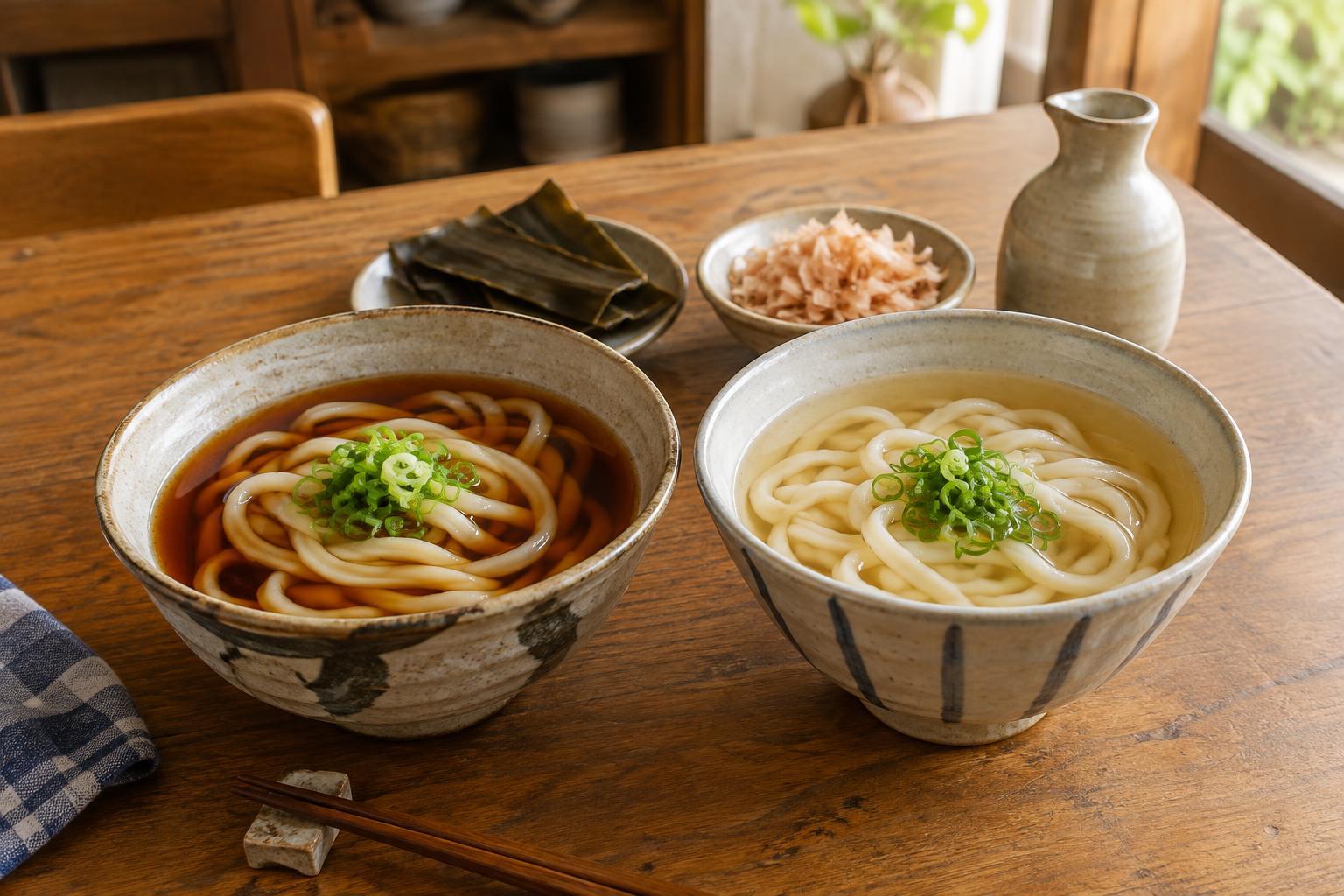
Food and Table CultureWhy might a bowl of udon look darker in Tokyo than in Osaka? Explore how Kanto and Kansai cooking often differ in broth, seasoning and familiar dishes, without treating either region as having a single fixed taste.
Read article · 4 min↗
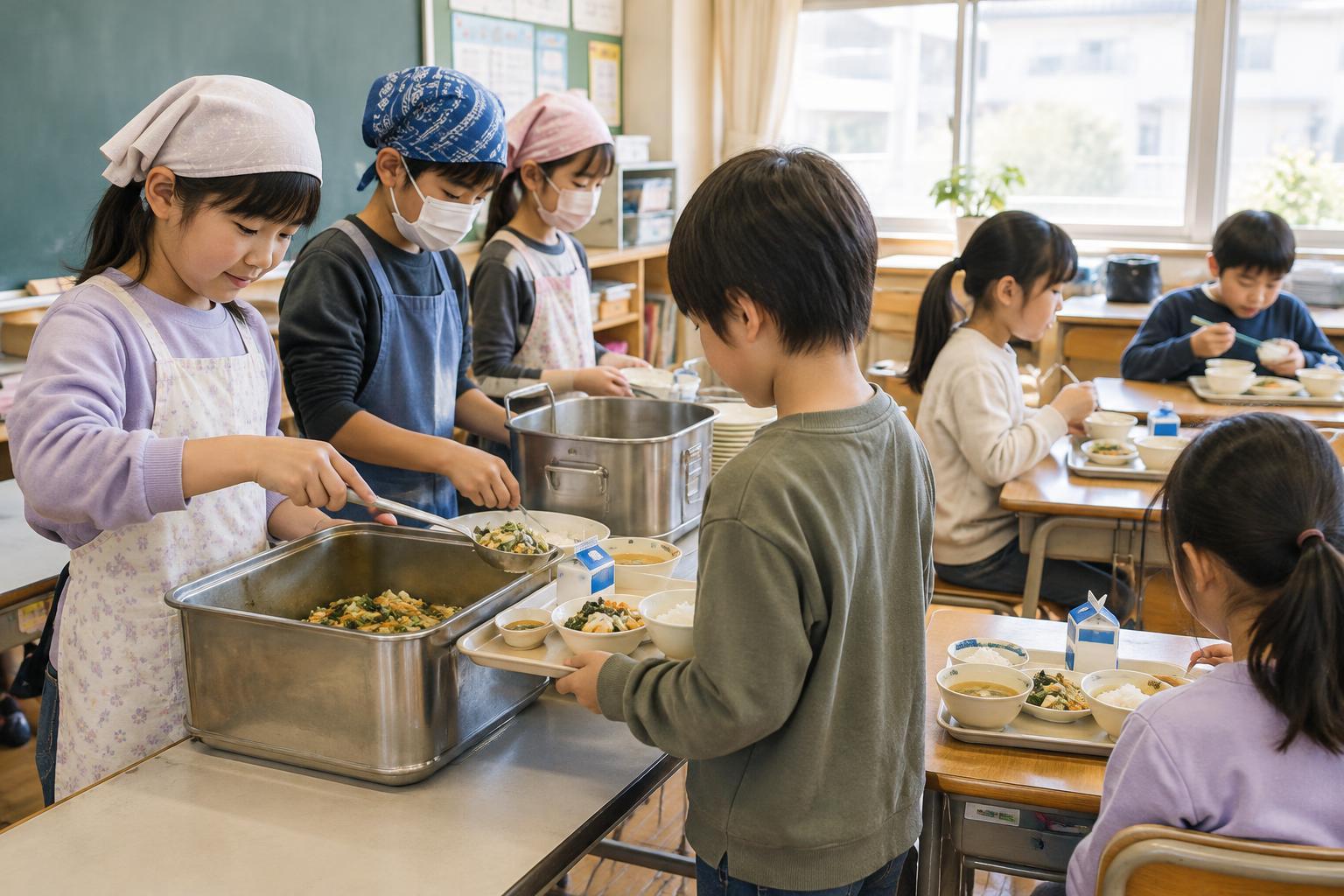
Food and Table CultureIn many Japanese schools, lunch is more than a tray of food. Students may help set up the room, serve classmates and clean up together. Here is a closer look at the everyday routine of kyushoku, with room for the differences between schools.
Read article · 4 min↗
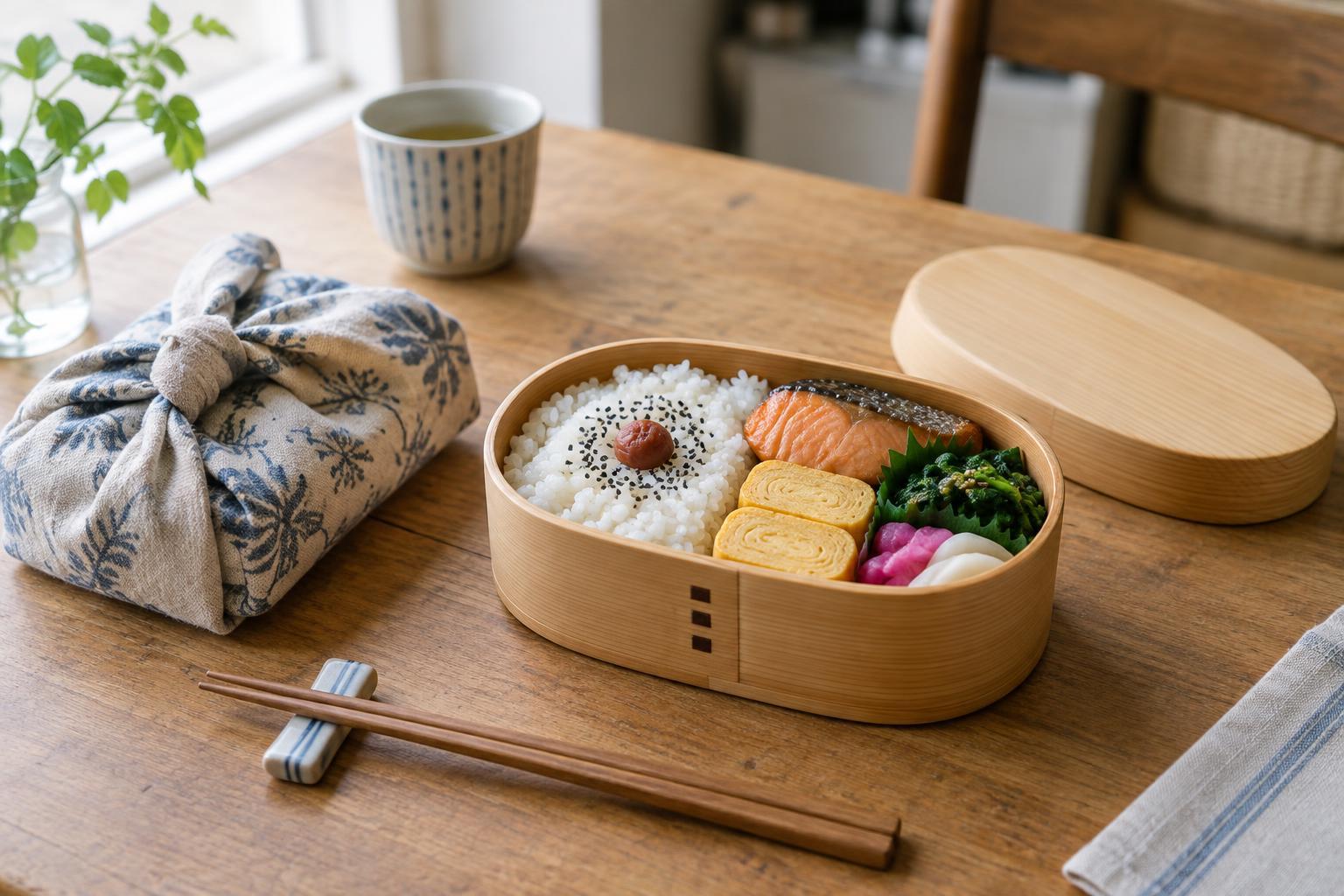
Food and Table CultureA bento can be a practical way to carry a meal, but packing one also creates a small daily routine. Explore how familiar foods, thoughtful portions and simple habits can make lunch feel cared for without turning it into a project.
Read article · 4 min↗
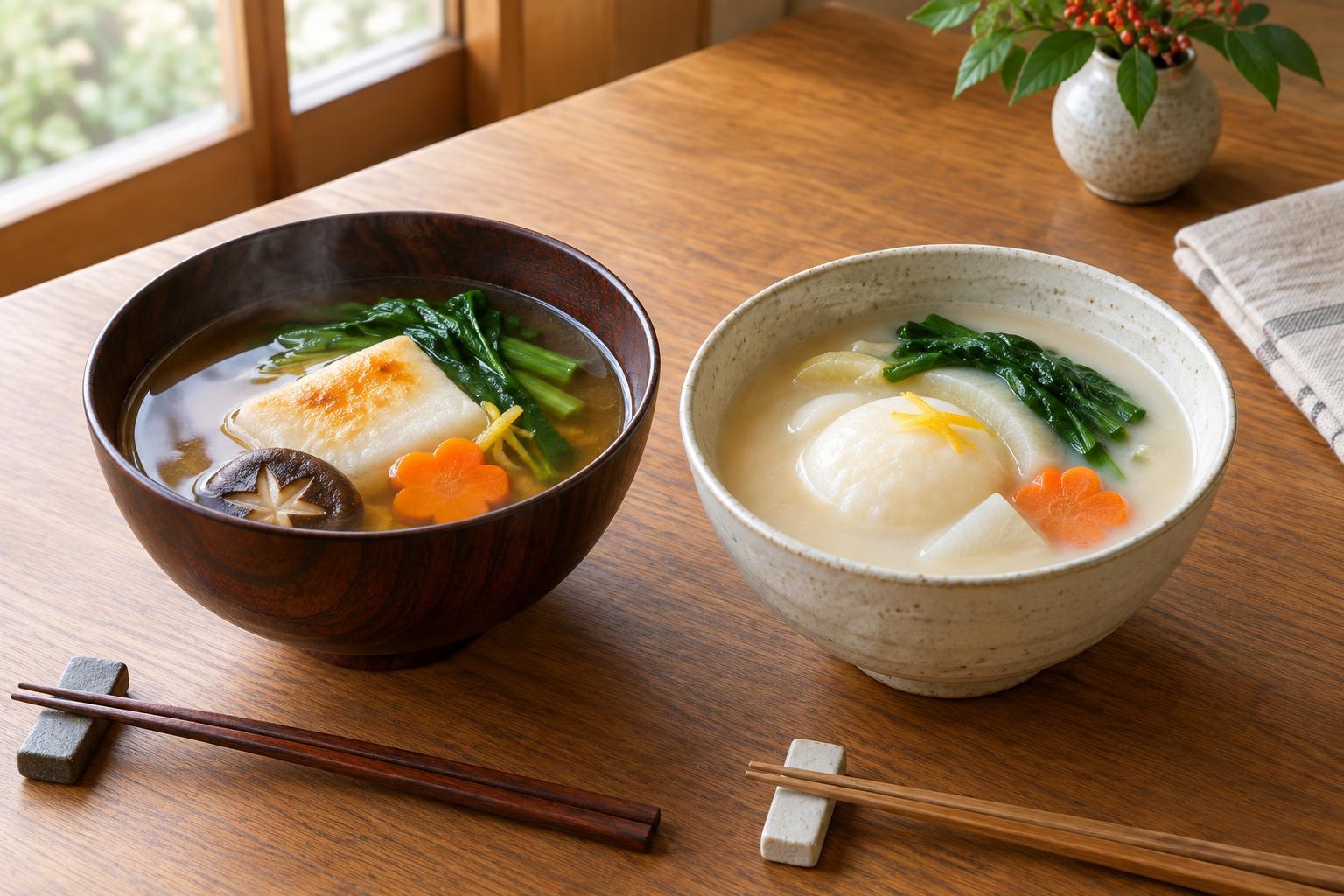
Food and Table CultureOzoni is a New Year soup built around mochi, but its broth, toppings and preparation vary widely. Explore common regional patterns, notable variations and what these differences can tell us about Japanese home cooking.
Read article · 3 min↗
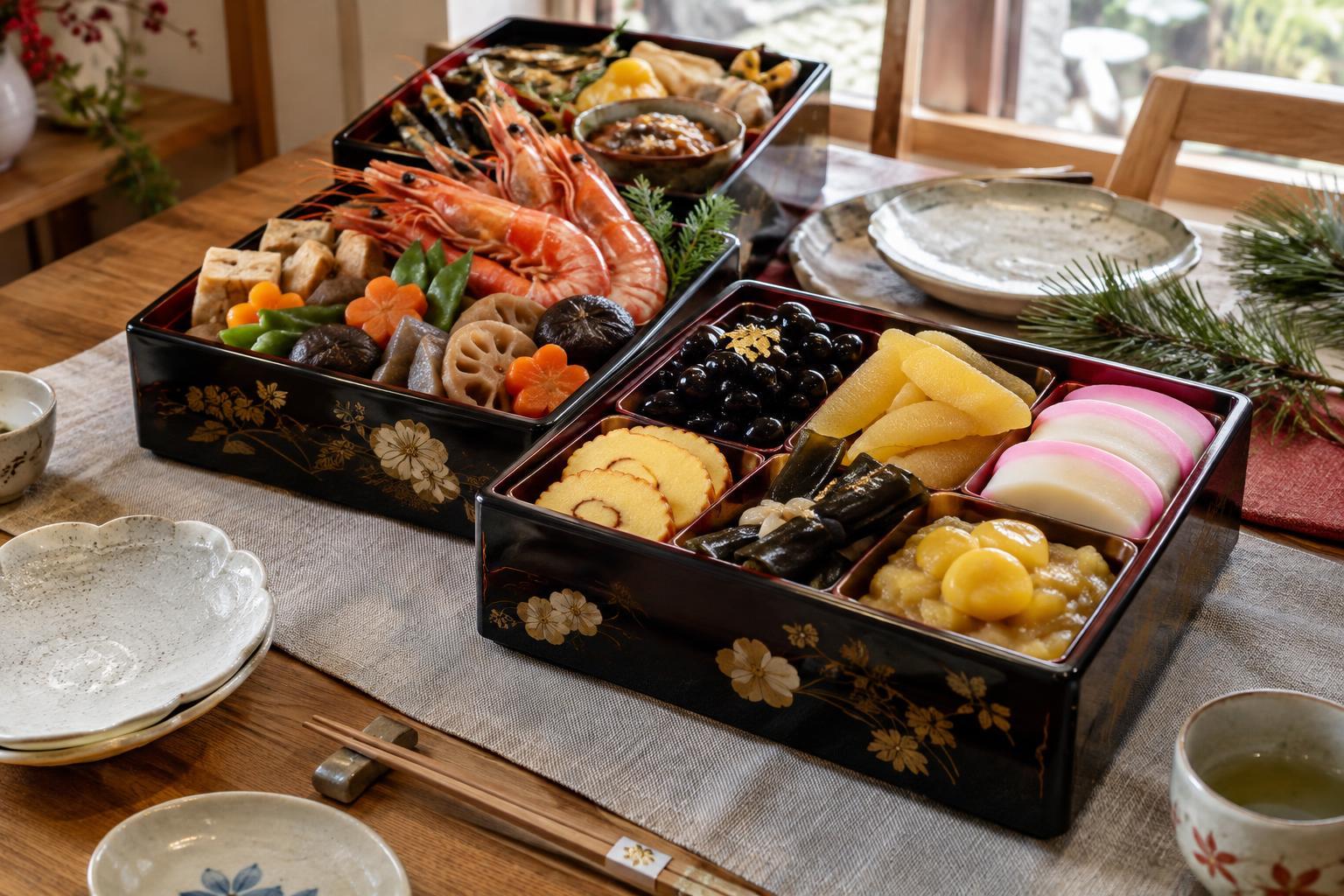
Food and Table CultureOsechi ryori is a collection of dishes served for the Japanese New Year. Learn how familiar ingredients express wishes for health, prosperity and a good year ahead—and why no two family tables look quite the same.
Read article · 4 min↗
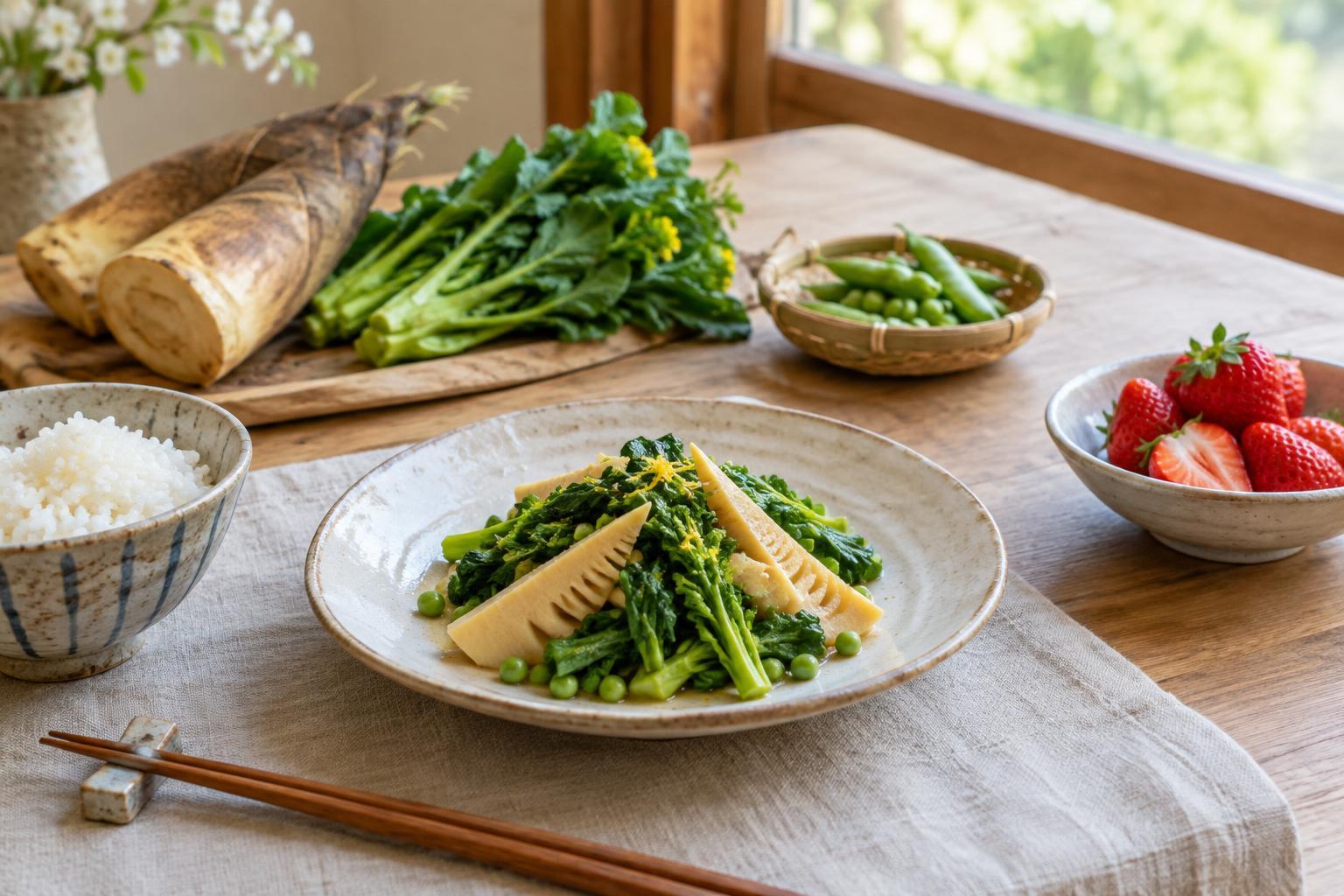
Food and Table CultureShun is a Japanese way of talking about food at its seasonal best. Learn what the term means, why timing varies by place and ingredient, and how to bring a little seasonal thinking to an everyday meal.
Read article · 4 min↗
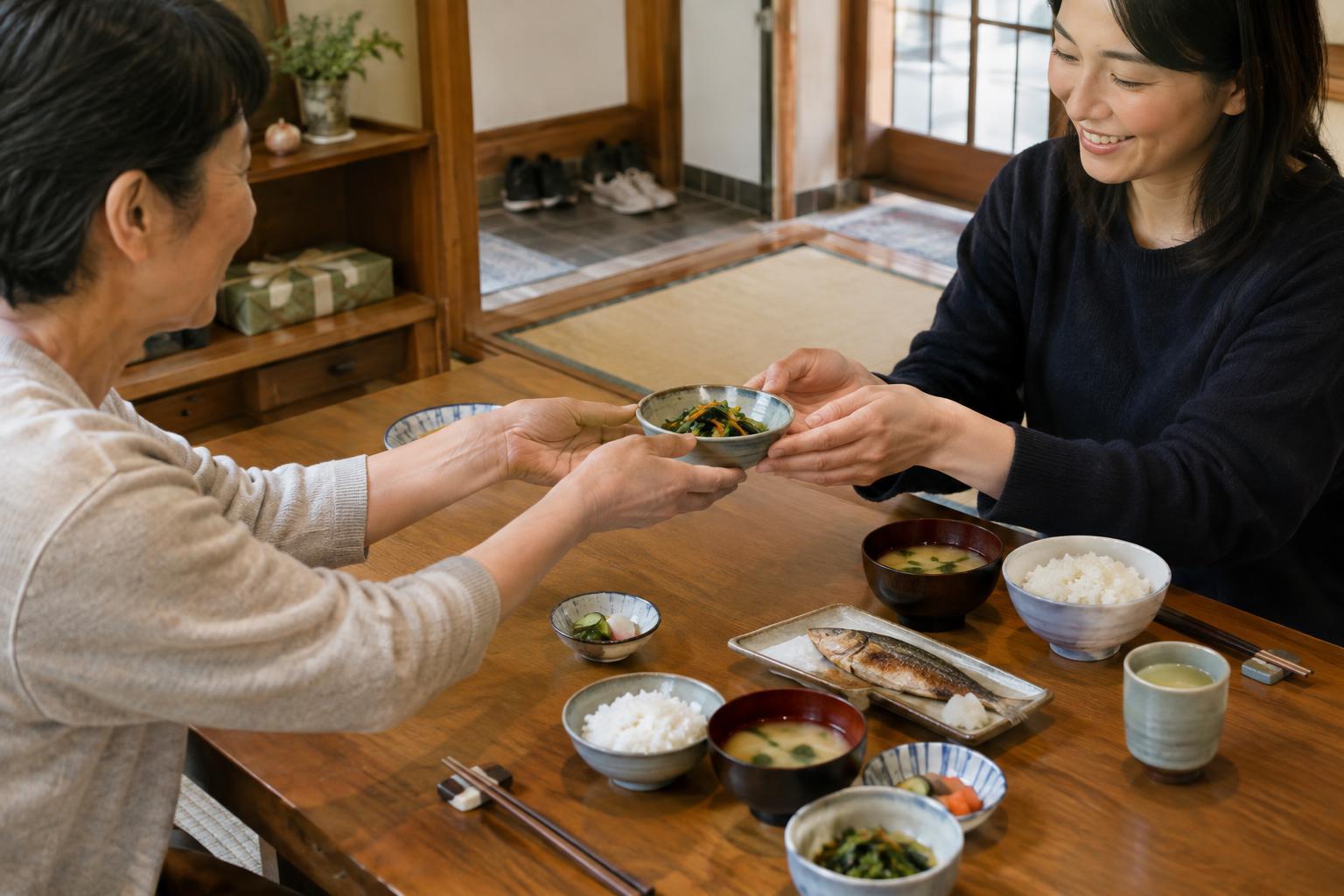
Food and Table CultureBeing a thoughtful guest is less about memorizing rules than noticing your host’s routines. Learn how to approach shoes, small gifts, shared dishes, chopsticks and cleanup with warmth and flexibility.
Read article · 4 min↗
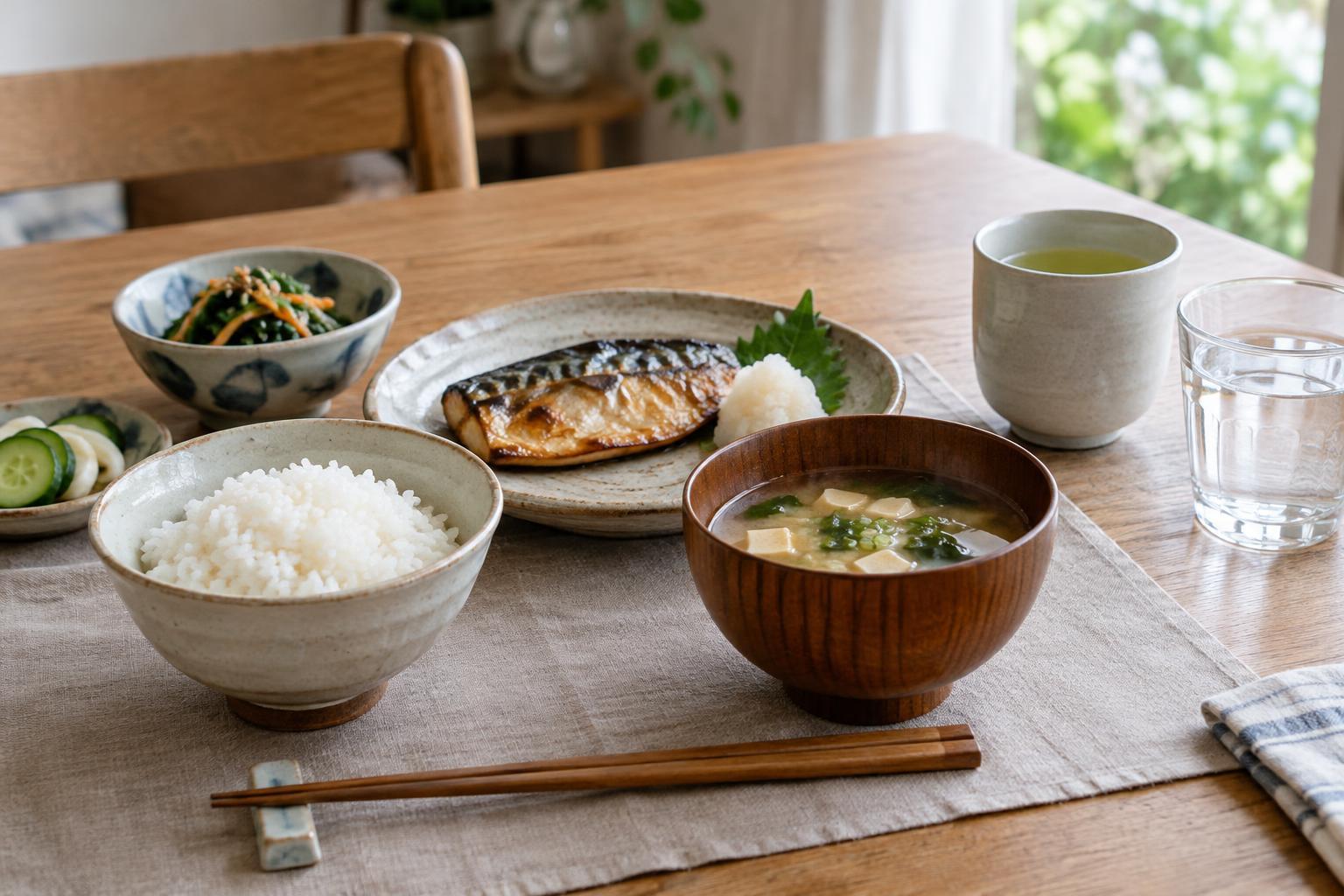
Food and Table CultureA glass of water or a cup of tea can make a Japanese meal feel complete without drawing attention away from the food. Learn how these everyday drinks are served at home and in casual restaurants, which teas are common choices, and how to set a welcoming table without treating custom as a rigid rule.
Read article · 4 min↗
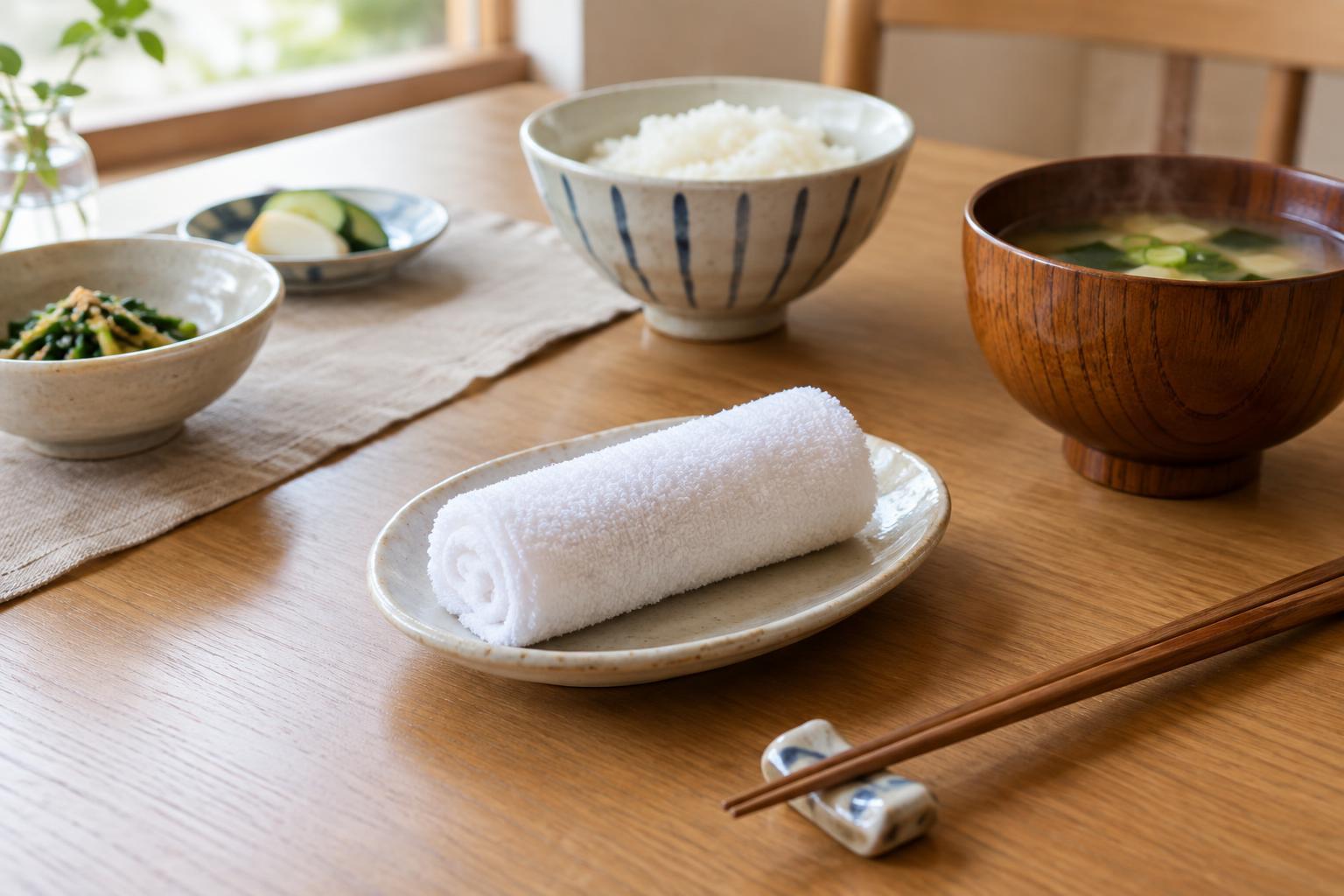
Food and Table CultureAn oshibori is a damp towel offered before a meal to refresh your hands. Learn when to use it, where to put it afterward, and how the custom fits into everyday Japanese dining.
Read article · 3 min↗
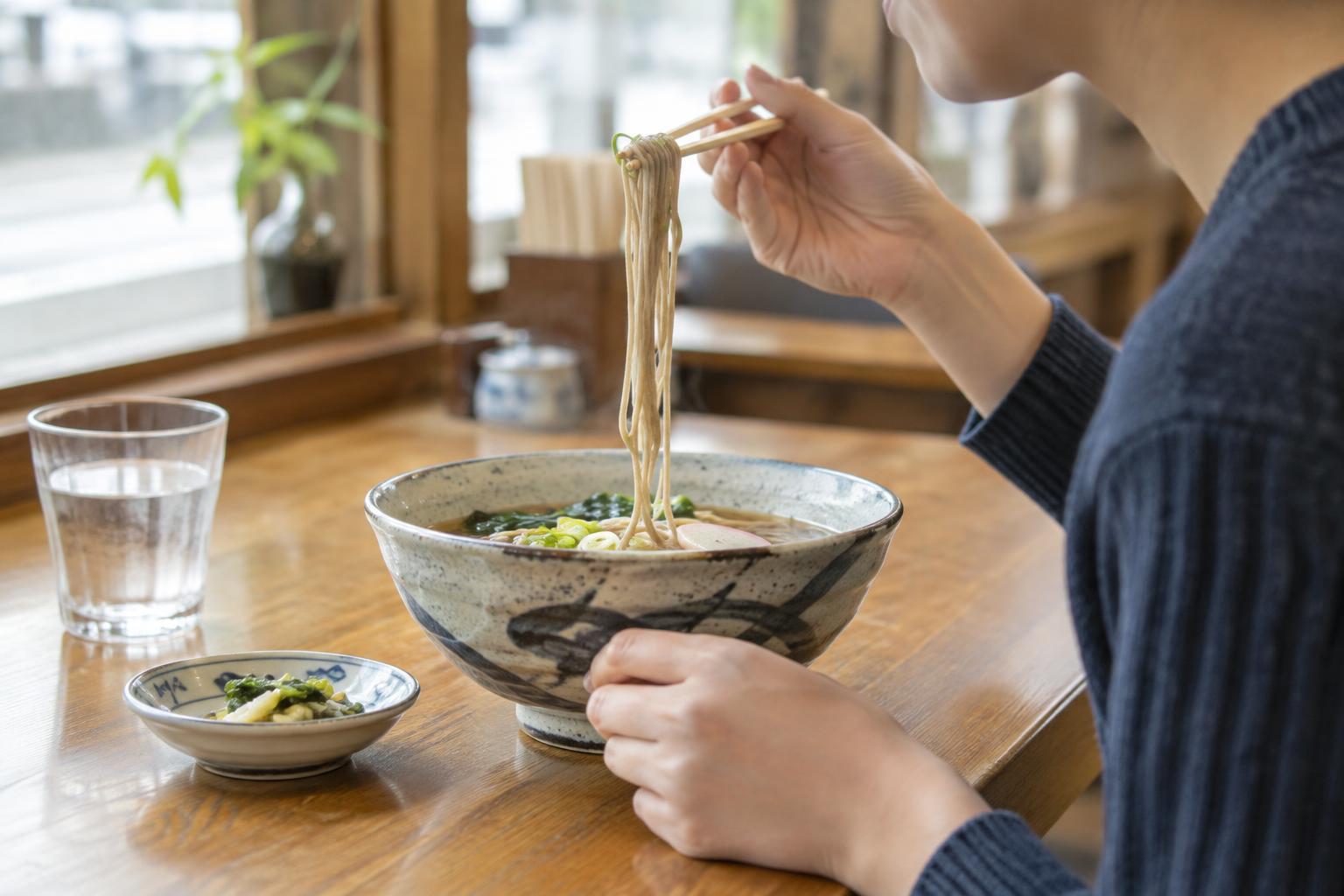
Food and Table CultureSlurping noodles in Japan is generally acceptable, but it is not required. Learn when you might hear it, how to eat ramen, soba and udon comfortably, and which table habits matter more than making a sound.
Read article · 4 min↗
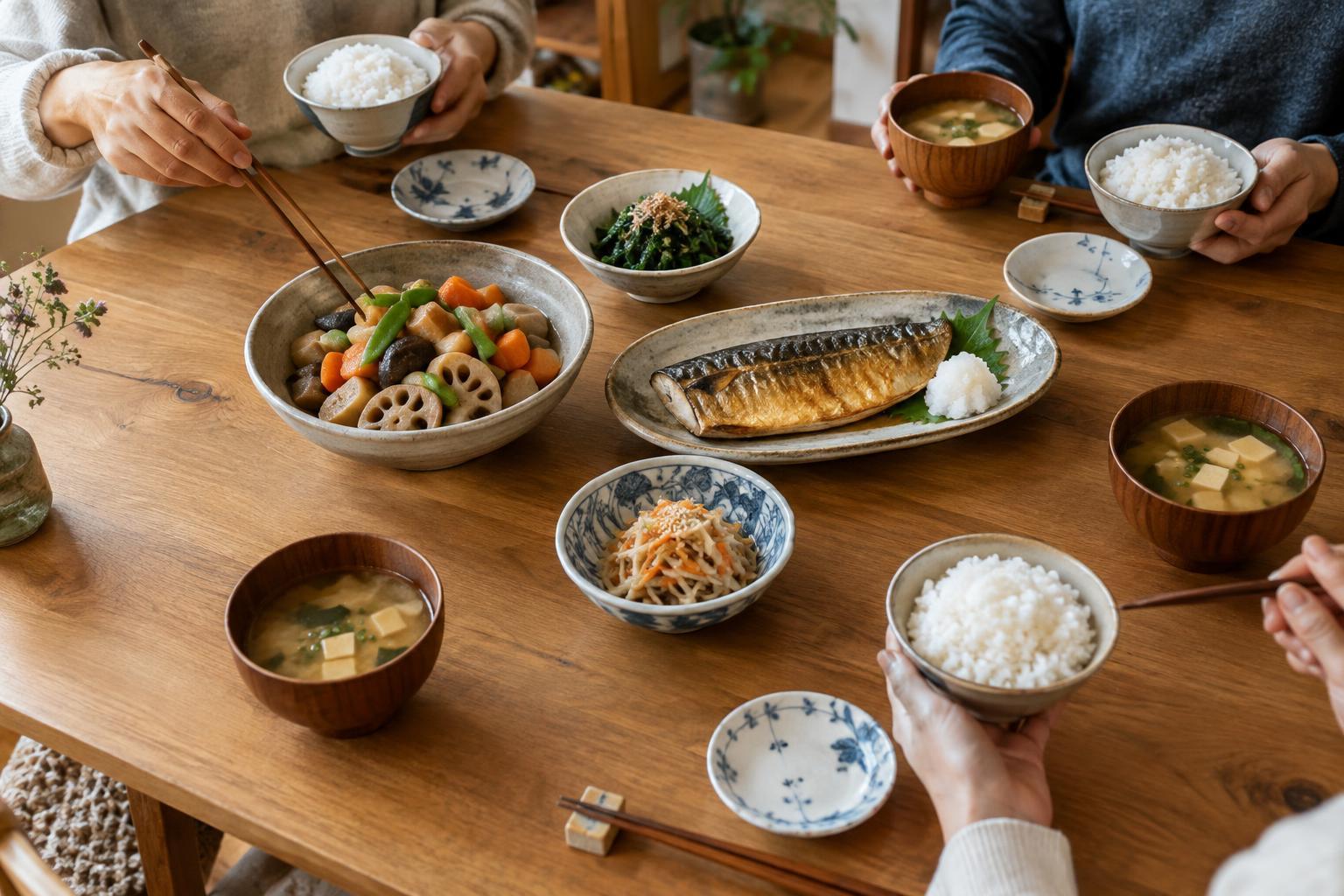
Food and Table CultureA Japanese family meal may give each person their own rice bowl and soup bowl while placing other dishes in the center of the table. Here is how individual portions and shared plates can work together, with practical tips for serving a comfortable meal at home.
Read article · 4 min↗
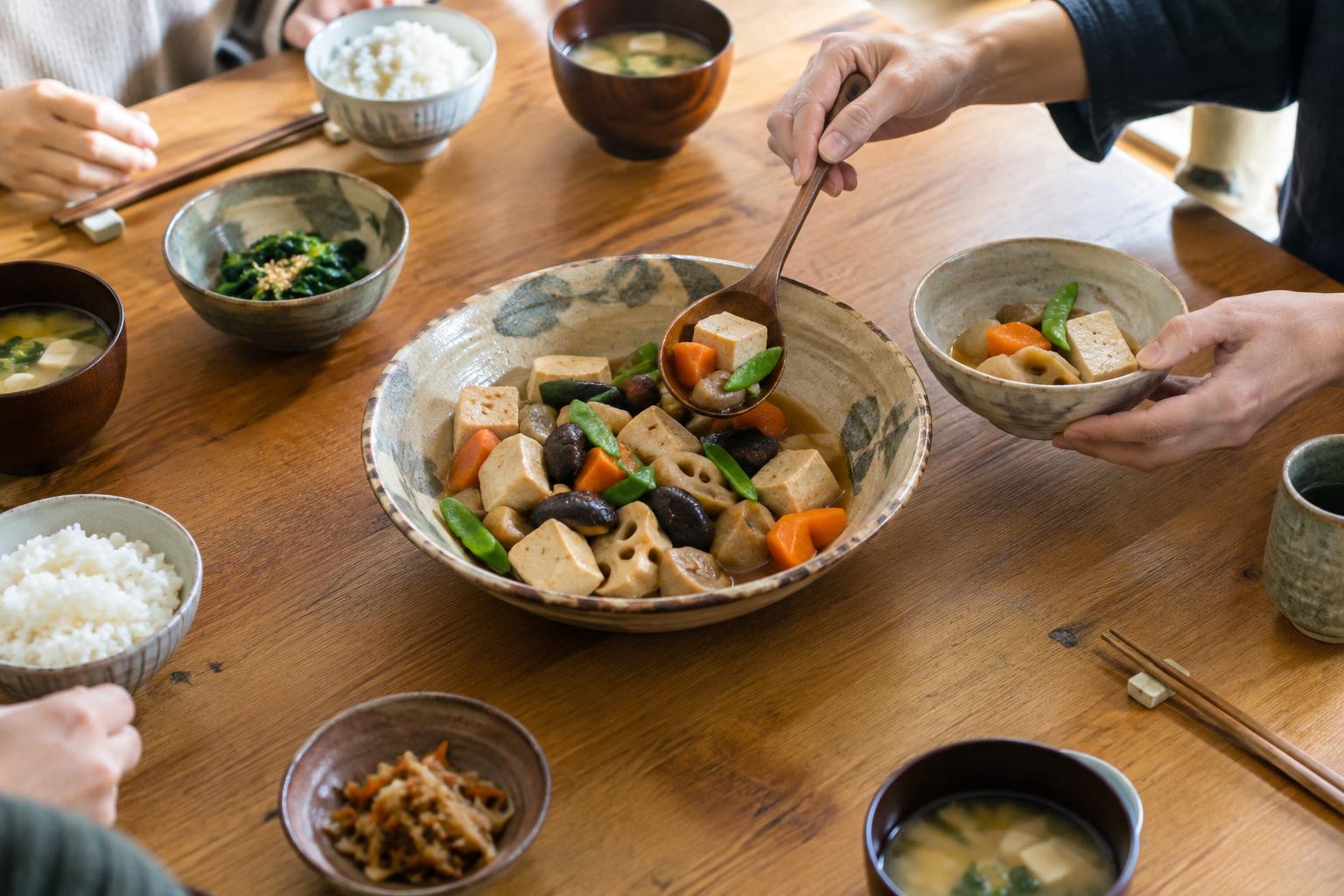
Food and Table CultureShared plates make an everyday meal feel welcoming, but they can leave guests wondering when and how to take a portion. Learn a few practical ways to use serving utensils, leave room for others and follow the rhythm of the table without worrying about a perfect set of rules.
Read article · 4 min↗
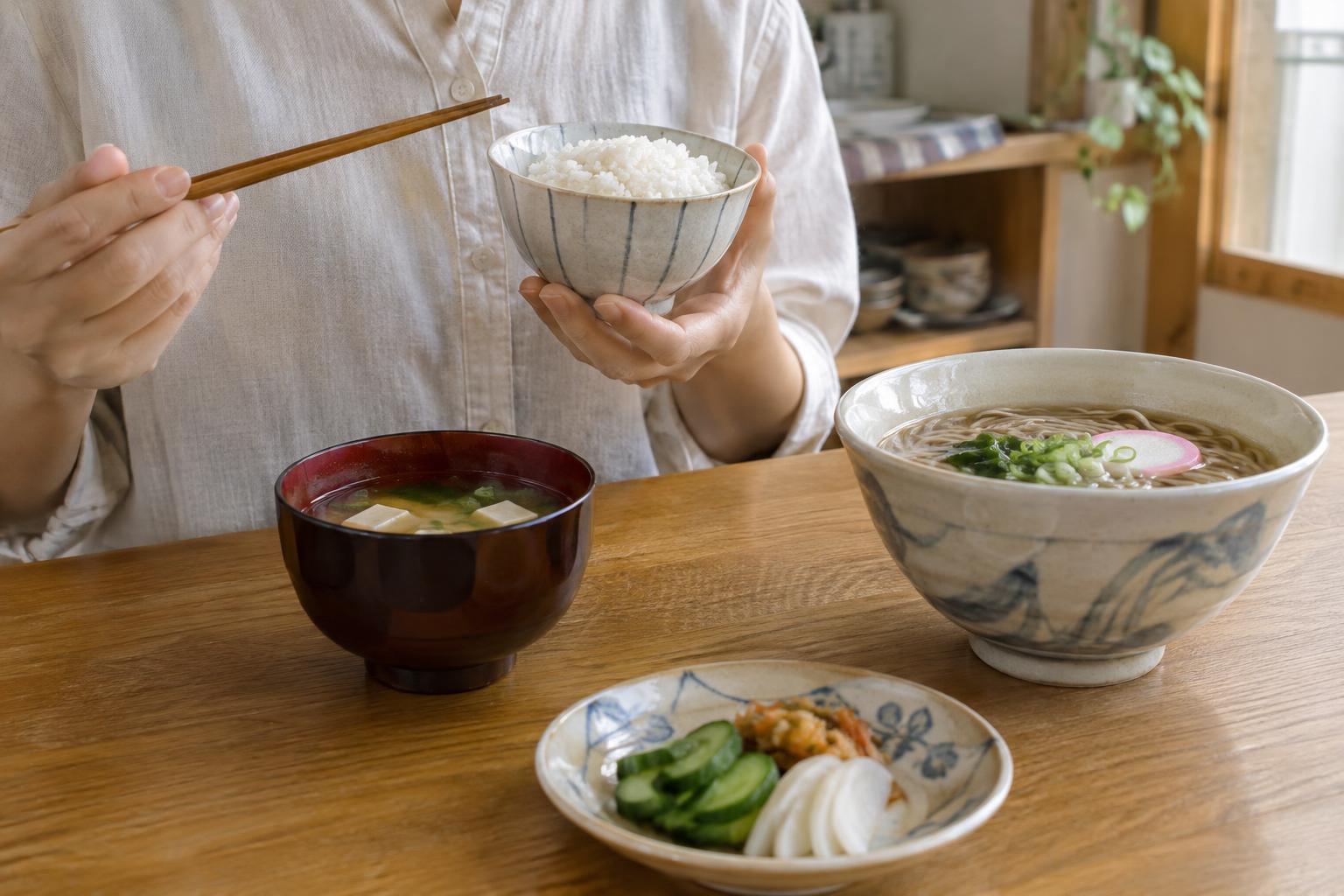
Food and Table CultureRice bowls and miso soup bowls are often held while eating, but larger bowls and plates usually stay on the table. Learn how bowl size, the food inside and the setting can guide you.
Read article · 3 min↗
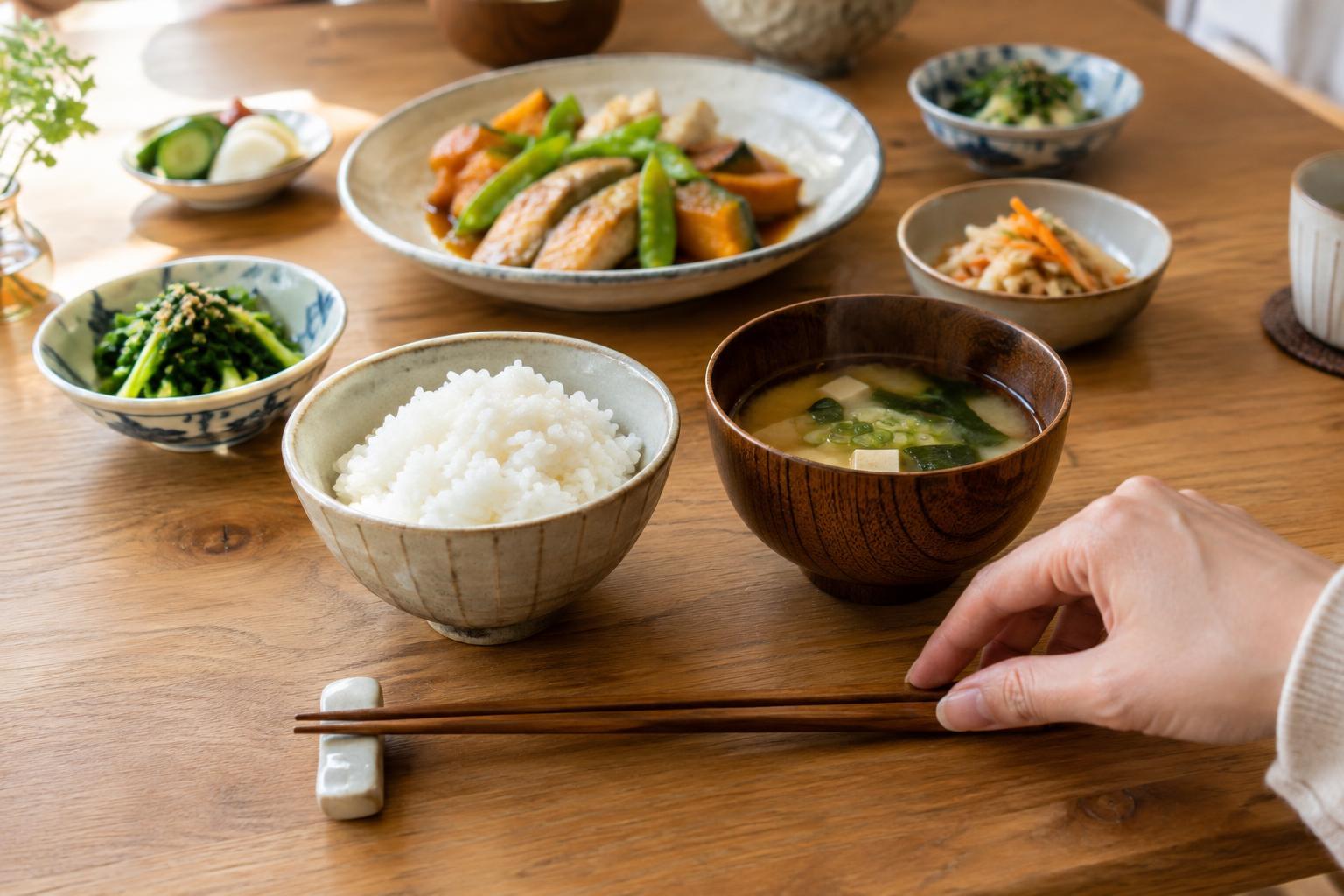
Food and Table CultureChopstick manners are easier to remember when you know the purpose behind them. Learn how to rest your chopsticks, serve from shared dishes and handle a few gestures that can feel awkward at a Japanese table.
Read article · 3 min↗
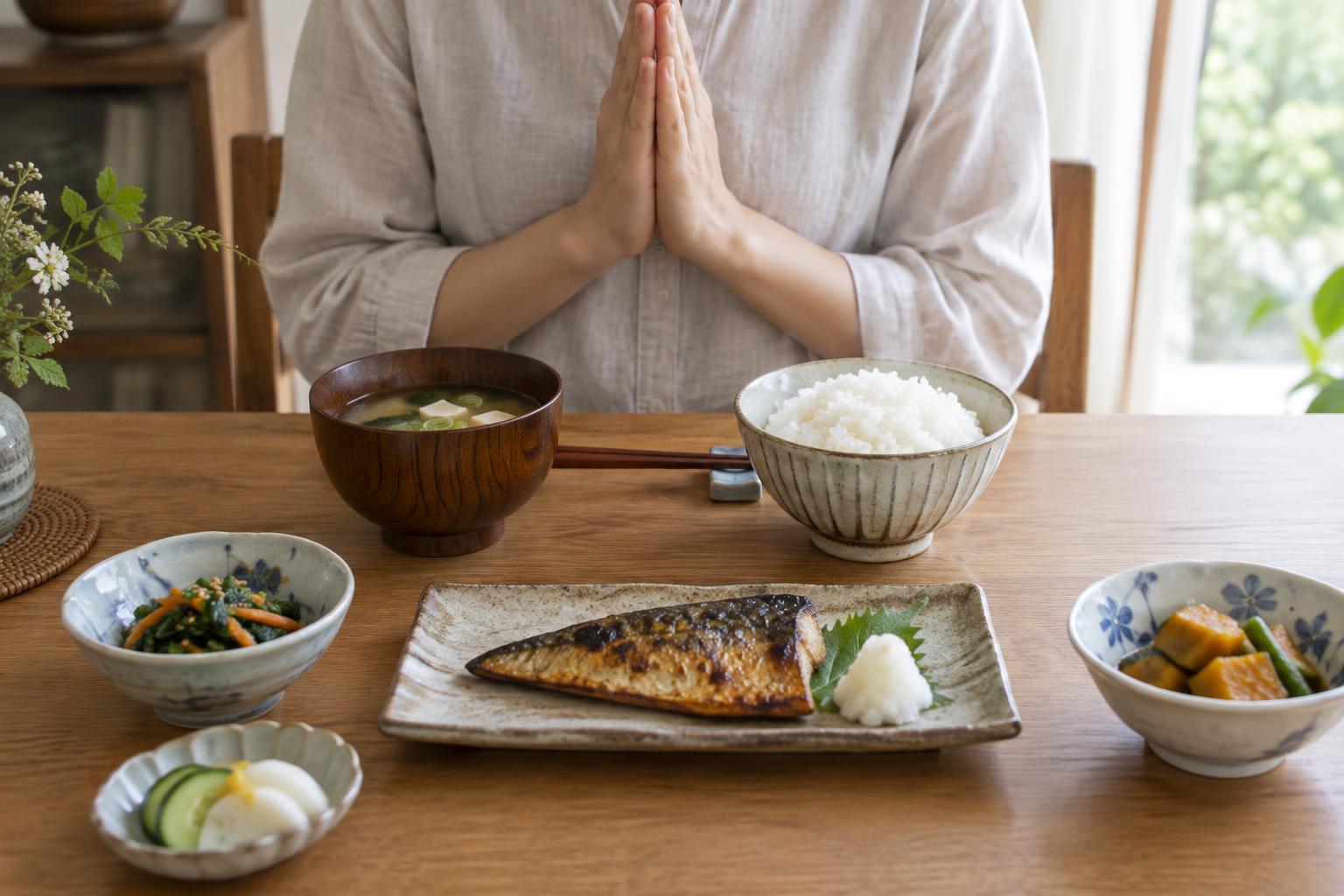
Food and Table CultureTwo familiar Japanese mealtime phrases mark the beginning and end of a meal. Learn when to say each one, what it expresses, and how to use both naturally at home or when dining out.
Read article · 4 min↗
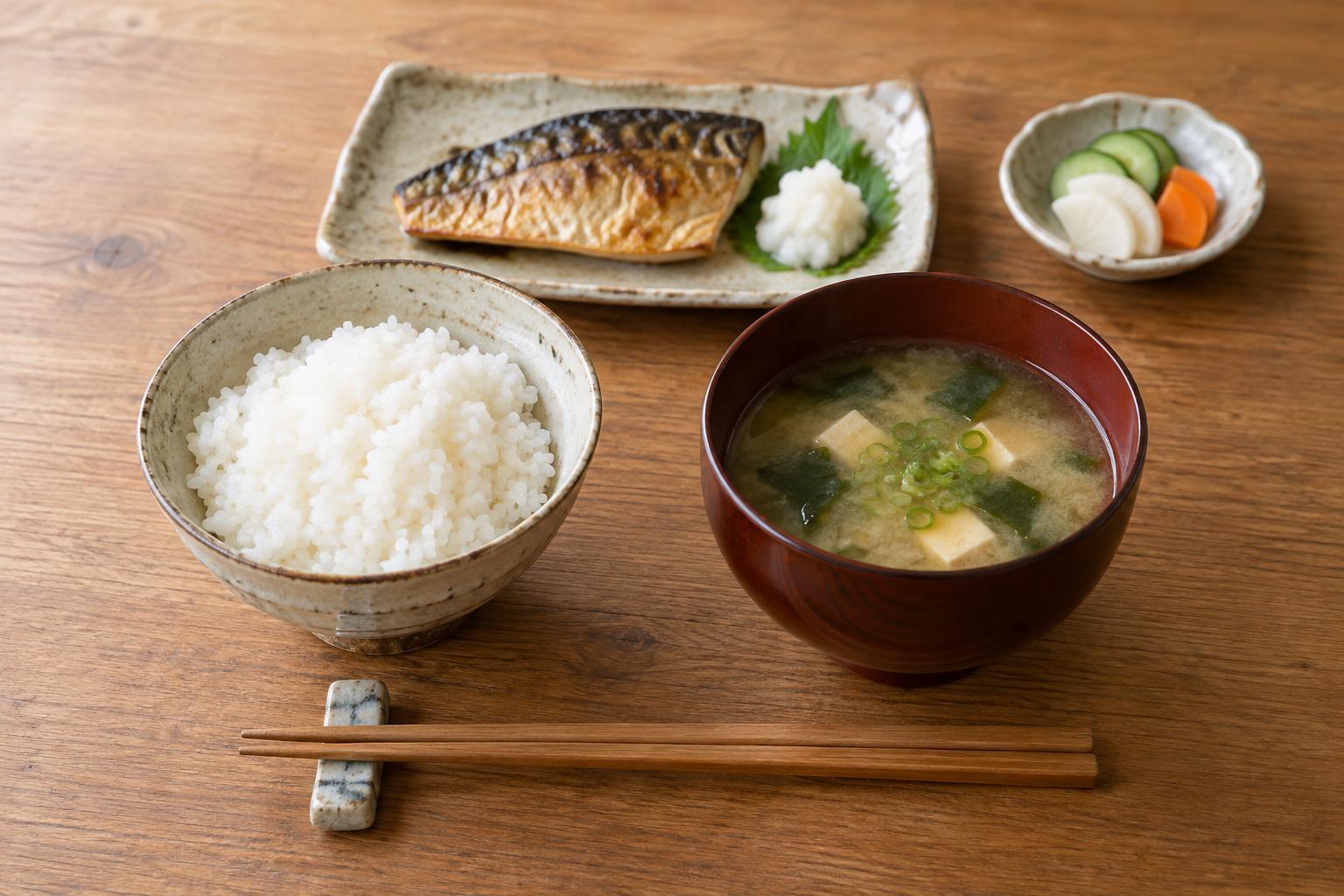
Food and Table CultureA simple Japanese-style place setting starts with rice on the diner’s left, soup on the right, and chopsticks across the front. Learn how to build on that arrangement for an everyday meal without treating it as a rigid rule.
Read article · 4 min↗
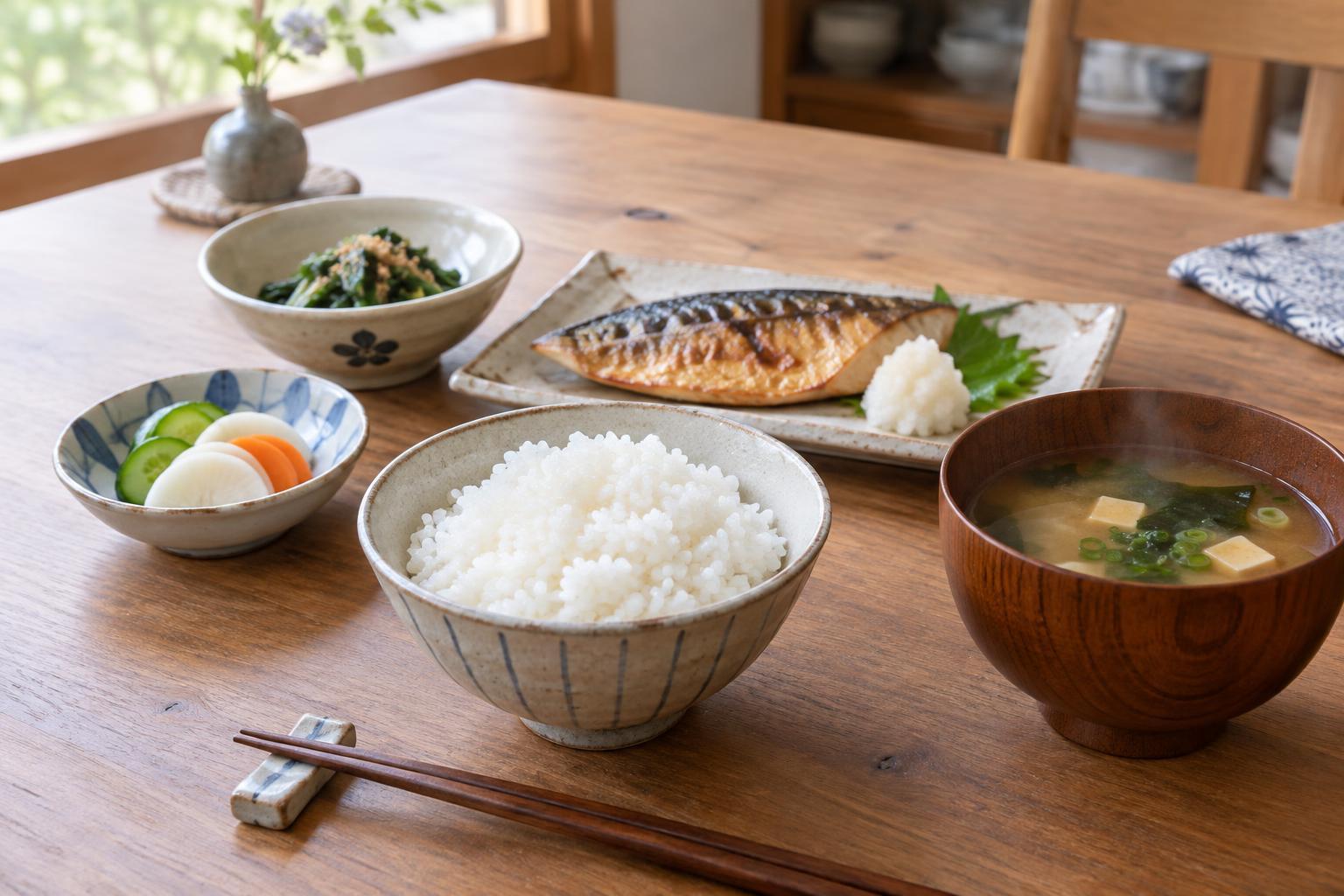
Food and Table CultureIn many Japanese home meals, a bowl of rice does more than fill the plate. It gives side dishes a point of reference, shapes how flavors are balanced, and helps organize the table. Here is a practical look at that role, along with the many ways everyday meals can depart from it.
Read article · 4 min↗
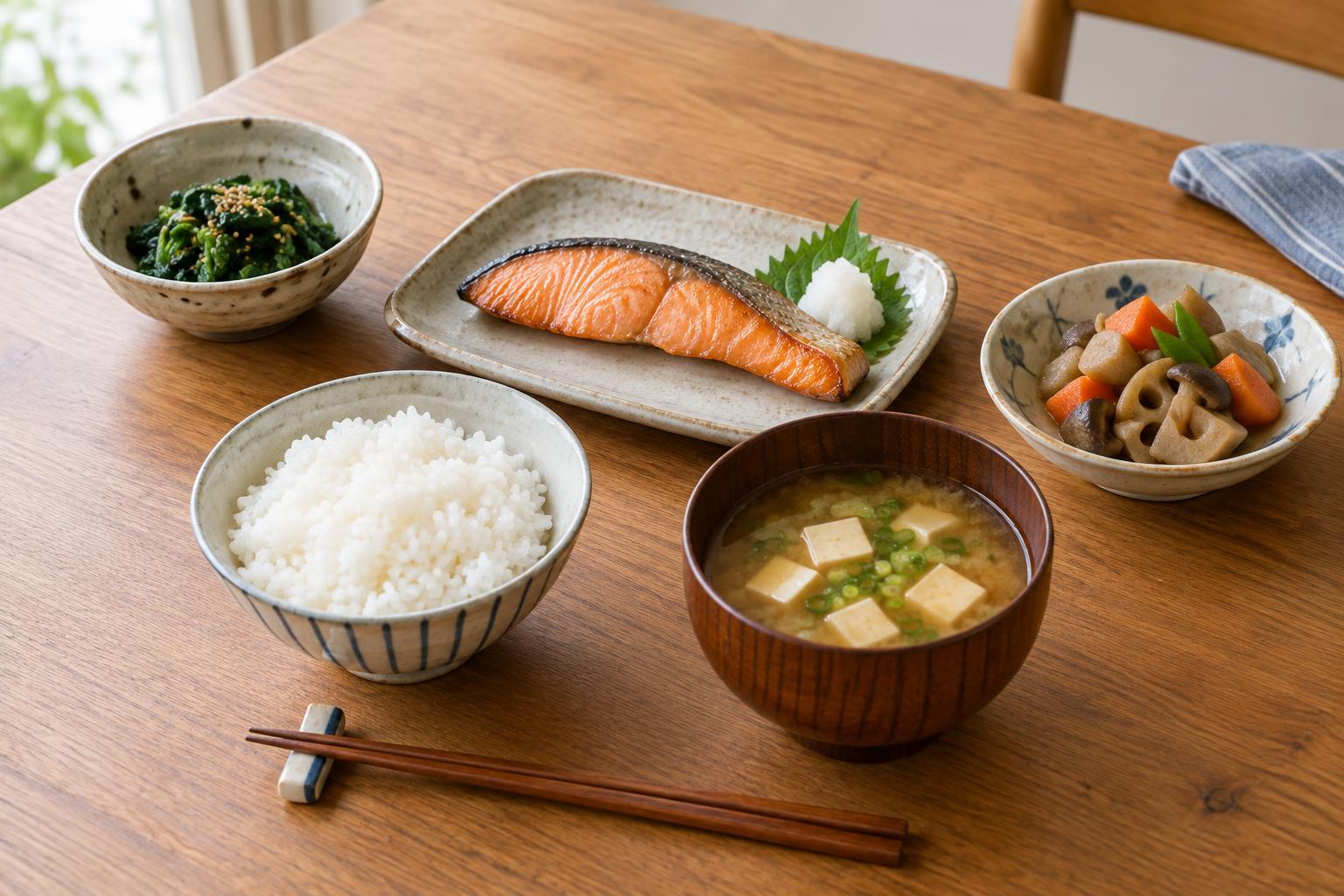
Food and Table CultureIchiju sansai is a familiar way to arrange a Japanese meal: one soup and three dishes, usually served with rice. Learn what counts as a dish, how the parts work together, and how to adapt the pattern for everyday home cooking.
Read article · 4 min↗
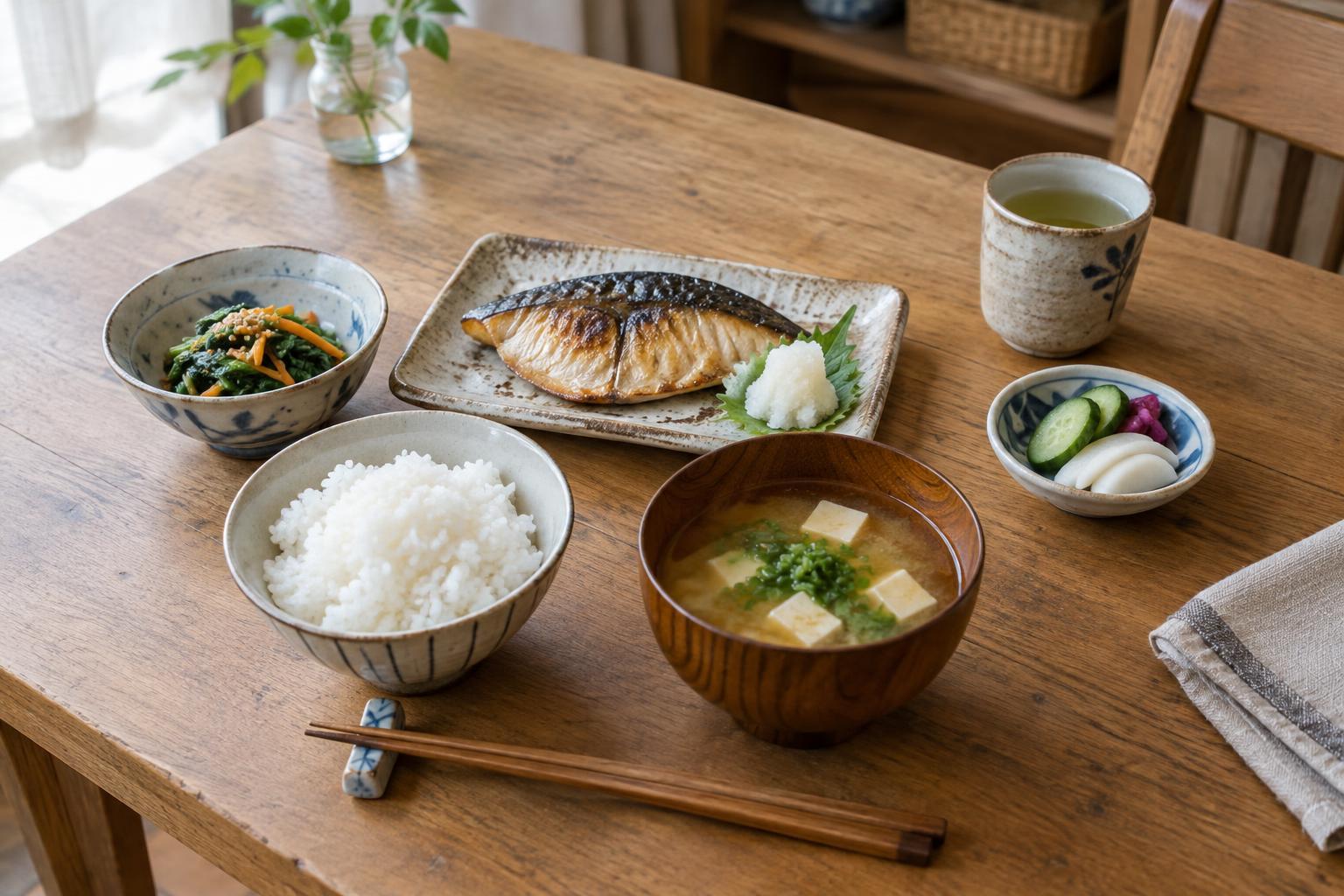
Food and Table CultureWashoku is often pictured as an elaborate arrangement of rice, soup and small dishes. But the idea also has room for simple weeknight meals, leftovers and family preferences. Here is a practical look at the word, the familiar meal patterns behind it and the everyday choices that bring a Japanese table together.
Read article · 4 min↗
 Kitchen Tools