What a marinade can do
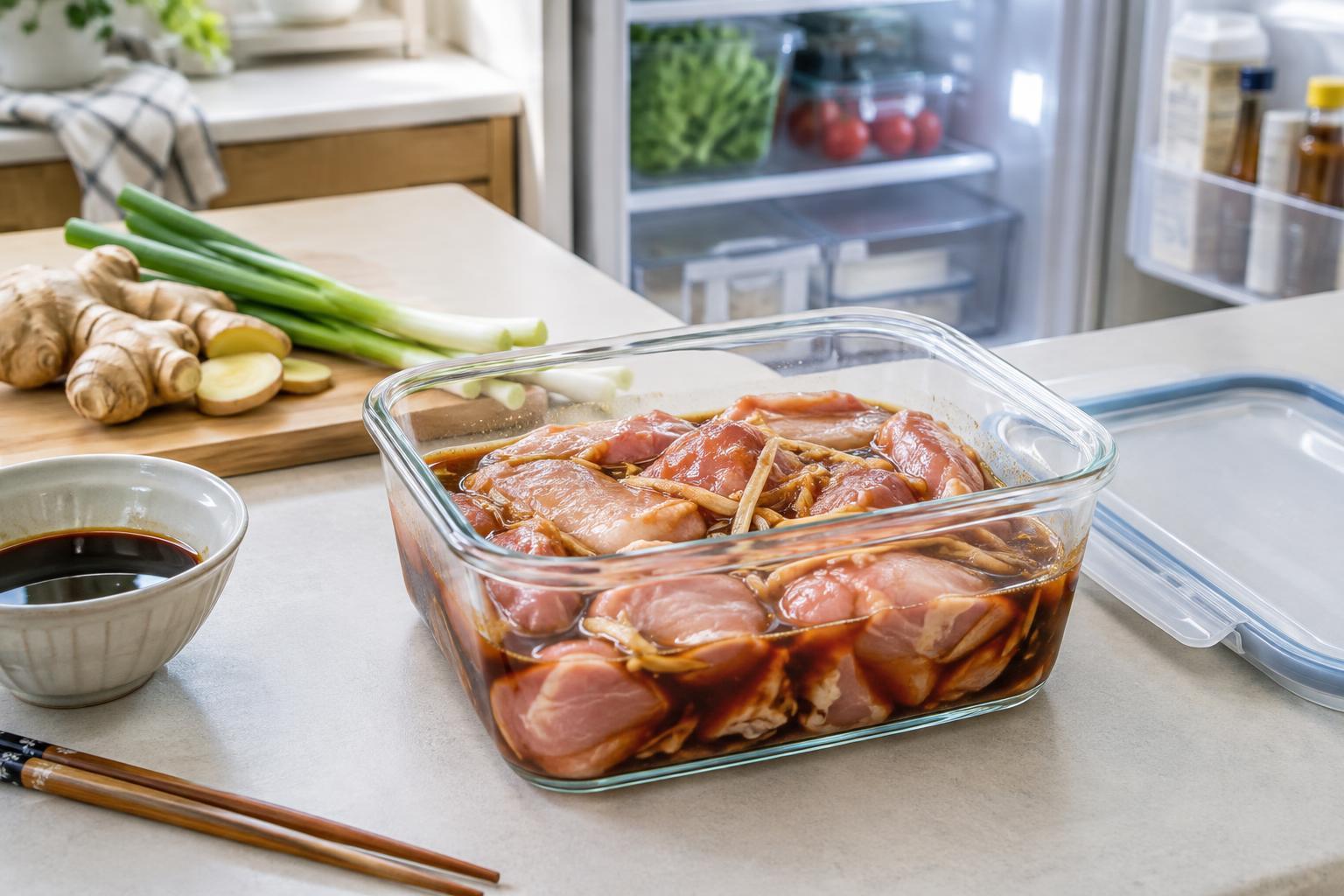
In Japanese home cooking, a marinade might be as simple as soy sauce, sake, and ginger for chicken, or miso and a little sugar for pork. It seasons the surface of the meat and can help you get dinner started quickly. It does not need to soak all the way through to be useful: thin slices, small pieces, and meat with plenty of exposed surface can pick up flavor in a short time.
Marinating is a preparation step, not a way to preserve meat. Salt, alcohol, or acid in a home marinade does not make raw meat safe to leave on the counter. Plan the marinating time around both the cut and your cooking schedule, and keep the meat refrigerated throughout.
Choose a timing window that fits the cut
For thinly sliced pork or beef destined for a quick stir-fry, try 15 to 30 minutes in the refrigerator. Bite-size chicken pieces for karaage or a ginger-soy skillet dish can often be prepared a few hours ahead. An overnight rest may be convenient for larger pieces, but taste and texture can change: a strongly salted marinade may make thin cuts too salty, while acidic ingredients can soften the surface.
Start with a modest amount of soy sauce if the meat will sit for several hours, especially when the finished dish will also have a sauce. Miso mixtures cling to meat and can taste quite intense, so a thin coating is usually enough. If you are uncertain about a recipe’s longer marinating time, try the shorter end first and adjust next time. Follow the meat’s package date and applicable storage guidance; a marinade does not extend its refrigerated life.
Make the refrigerator part of the plan
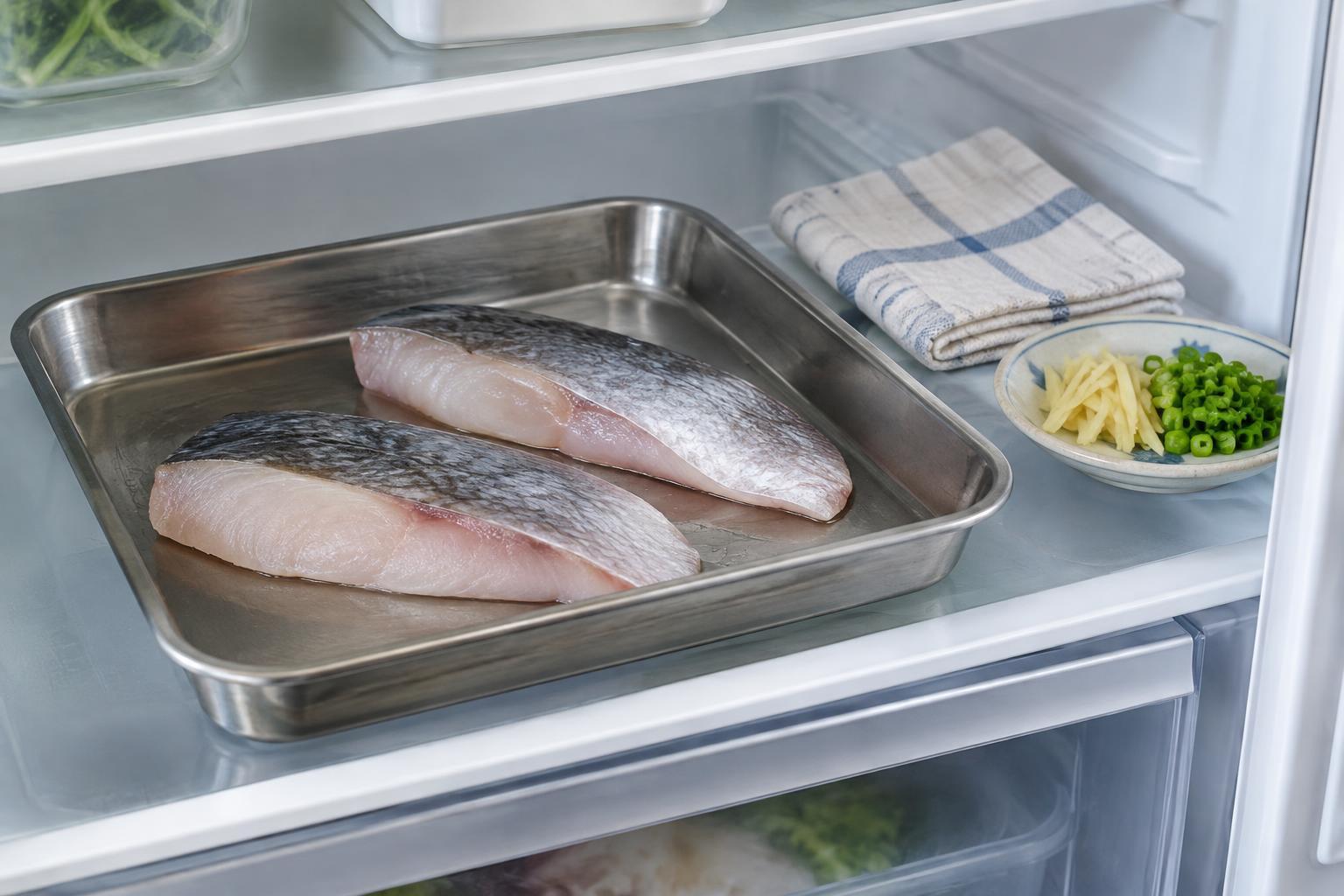
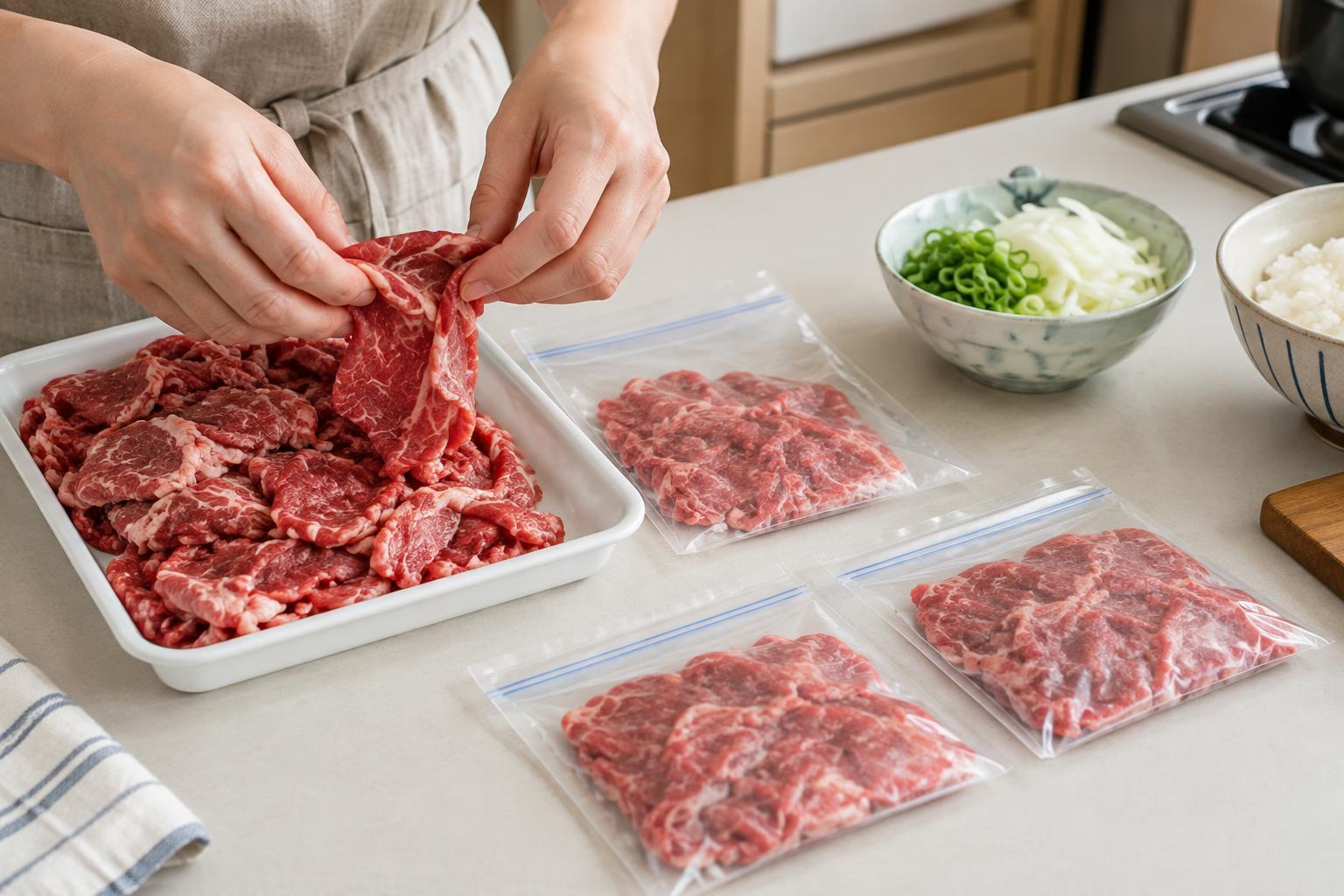
Mix the marinade in a clean bowl, then combine it with the meat in a covered container or a sealed food-safe bag. A bag can help a small amount of marinade reach more surfaces; set it in a bowl or tray in case it leaks. Place raw meat on a low refrigerator shelf, away from foods that will be eaten without further cooking. Keep the refrigerator at 4°C (40°F) or colder.
If you are preparing several components of a meal, label the container with what is inside and when you started marinating. Wash your hands and any utensils or work surfaces that touched the raw meat before handling vegetables, rice, or garnishes. Do not rinse raw meat; splashes can spread contamination around the sink. If plans change, do not assume extra time in marinade buys extra storage time.
Keep raw marinade separate from the finishing sauce
It is tempting to pour leftover marinade straight over cooked meat, particularly when it contains flavorful soy sauce, ginger, or garlic. Once a marinade has touched raw meat, treat it as raw-meat liquid. For an easy finishing sauce, set aside a portion of the freshly mixed marinade before adding the meat. Keep that reserved portion covered and separate.
If you want to use marinade that has touched raw meat, it needs to be brought to a full boil before it is used as a sauce. A separate, fresh sauce is often simpler and gives you more control over its saltiness. Discard any used marinade you do not intend to cook.
Get ready to cook without losing the benefit of prep
Lift the meat from its marinade and let excess liquid drip off. For a hot pan or grill, patting the surface lightly can improve browning and reduce splattering. This is especially helpful with miso or sugar-containing mixtures, which can darken quickly; use moderate heat and watch the surface as the meat cooks. For karaage, add a starch coating shortly before frying rather than letting coated pieces sit in the marinade.
Cook the meat thoroughly, using a food thermometer and the safe internal temperature appropriate to the type and cut of meat. A marinade can change the color of the surface, so appearance alone is not a reliable check. With the meat safely cooked, the rest of the meal can stay simple: rice, a vegetable side, and a little of your reserved sauce may be all you need.