Start with the dish you plan to simmer
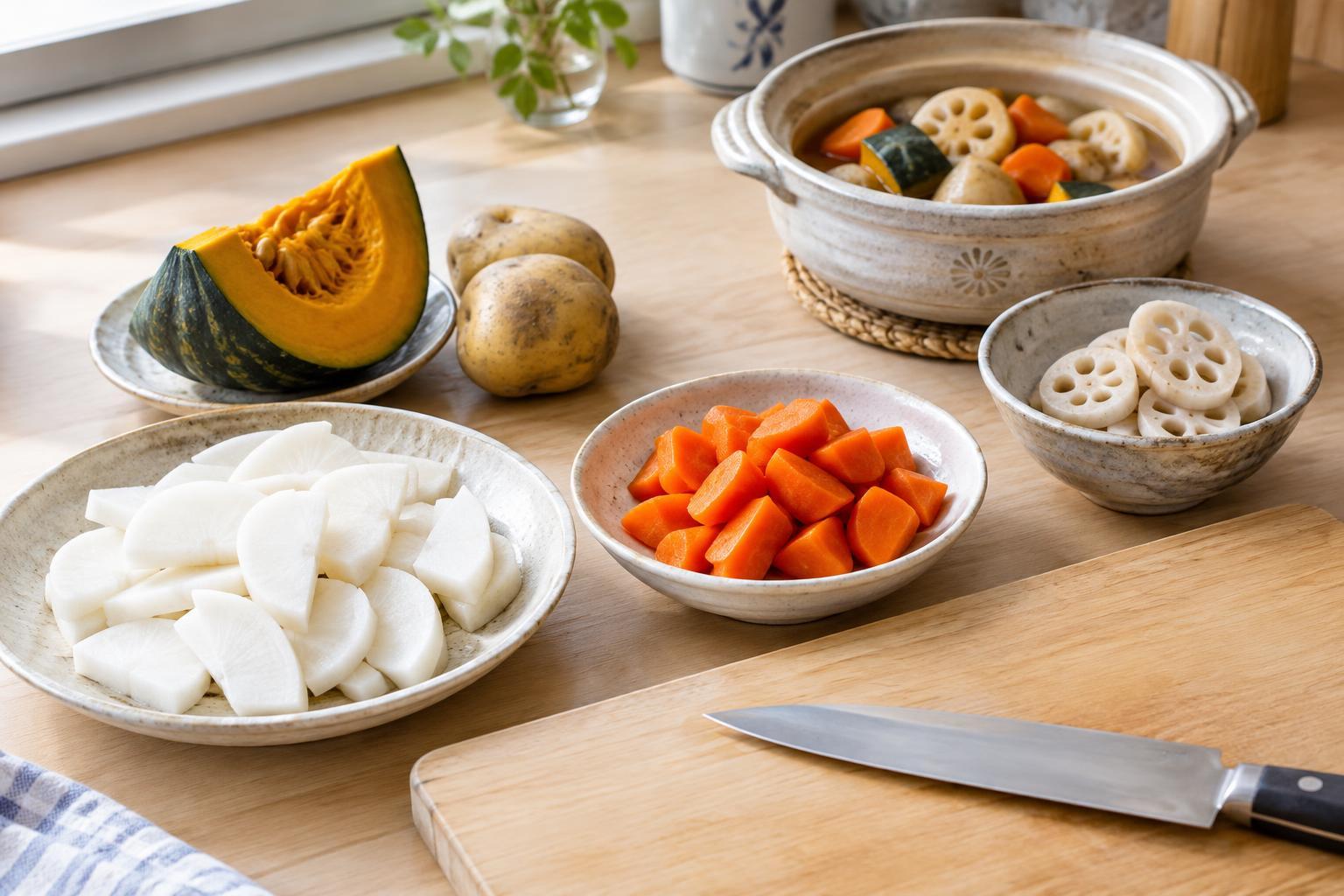
Japanese simmered dishes, often called nimono, bring ingredients together in a seasoned liquid until they are tender and flavorful. Some are built around large pieces of daikon; others combine several vegetables in smaller, even-sized cuts. Before preparing anything ahead, decide how you want the finished vegetables to look and feel. Pieces cut too small may soften or break before the rest of the pot is ready.
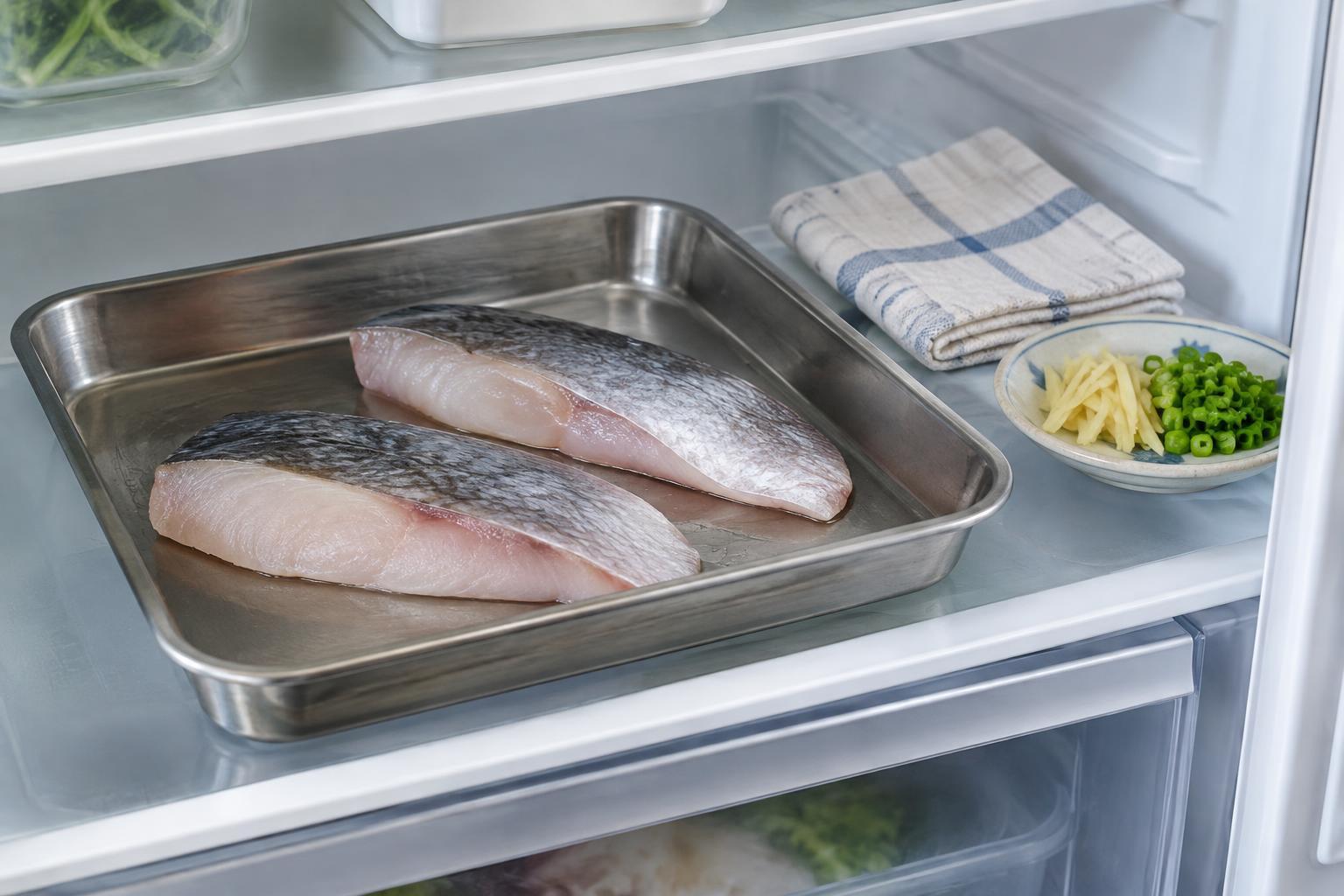
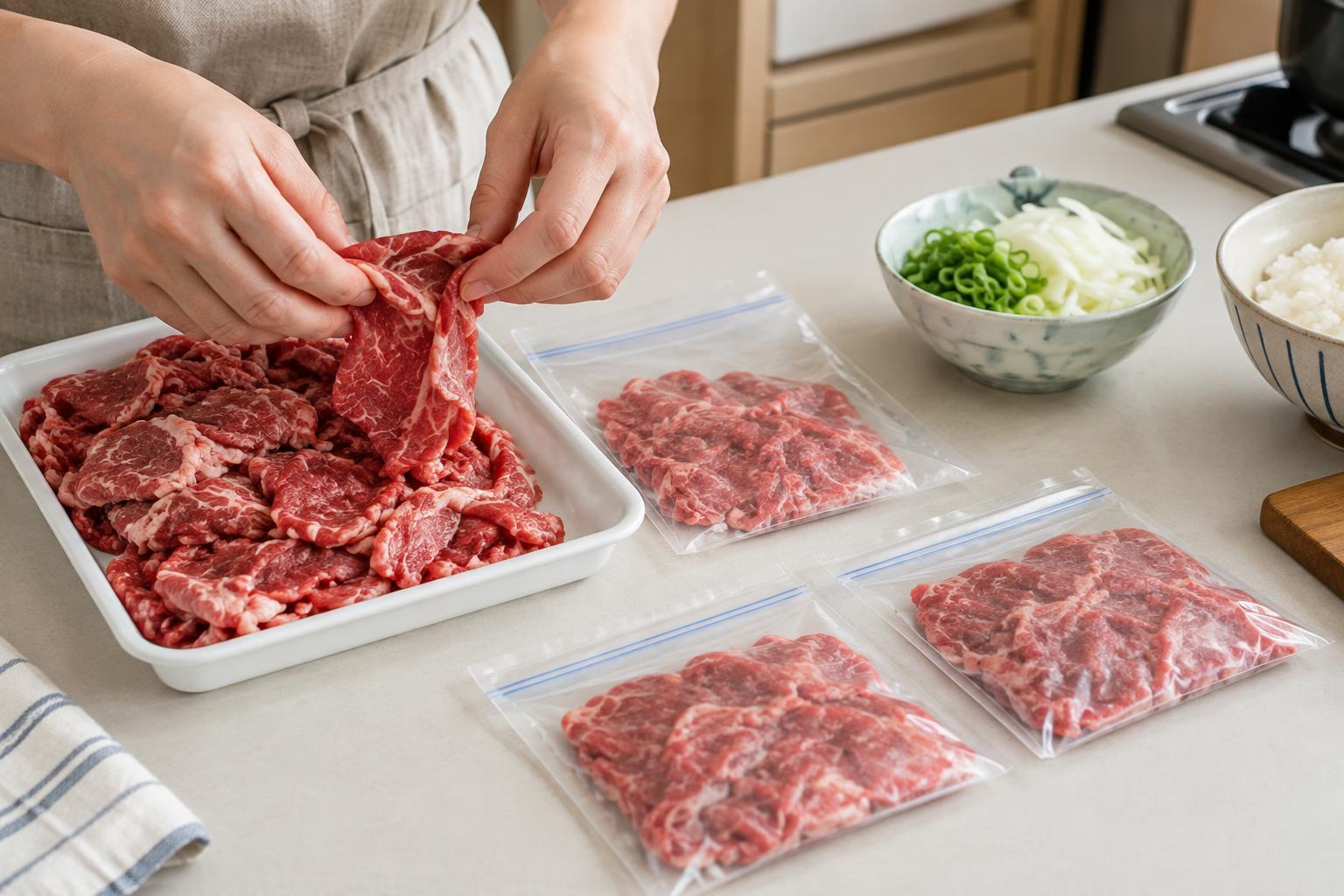
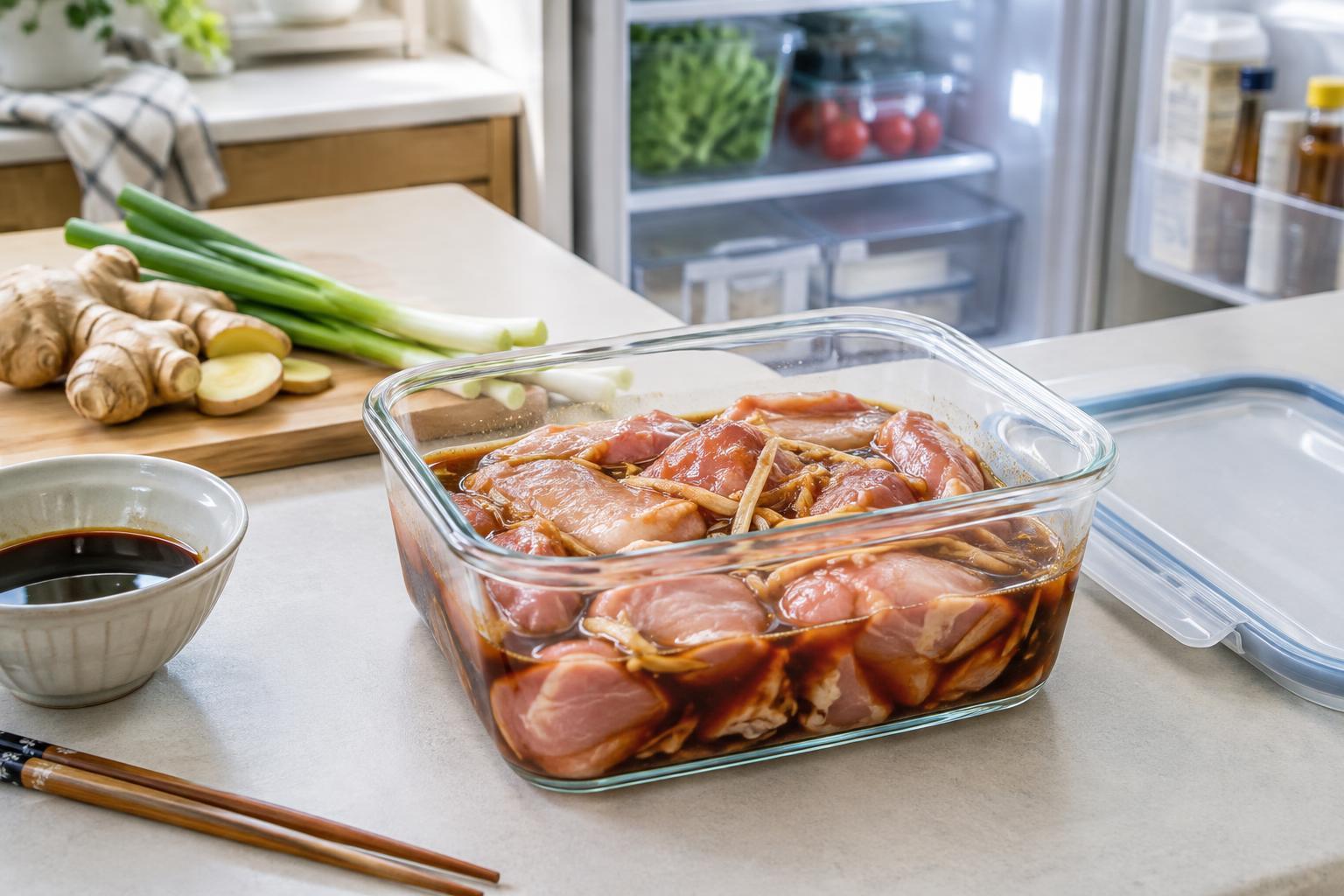
Cutting ahead is most useful when it leaves you with vegetables that can go straight into the pan. As a general habit, refrigerate cut vegetables promptly in clean, covered containers and prepare only what you expect to use soon. Keep them separate from raw meat or fish, and use clean knives and boards. These steps make advance prep convenient without asking one storage method to suit every ingredient.
Reliable choices: daikon, carrots and sturdy roots
Daikon and carrots are good candidates for advance cutting. Peel and cut them into the rounds, half-moons or chunks your recipe needs, then keep them covered in the refrigerator. Daikon may release moisture, so a container that catches any liquid is helpful. If your recipe calls for a shallow cross-shaped cut on thick daikon rounds to help them cook evenly, you can make that cut during prep as well.
Burdock root, or gobo, takes a little more thought because its cut surfaces darken. Scrub it, cut it as needed and give the pieces a brief rinse or soak in water before draining. An extended soak can wash away some of its distinctive flavor. If you are preparing gobo well ahead of cooking, keep it chilled and check that the pieces have not dried out.
Lotus root can also discolor after cutting. A brief soak in water helps protect its appearance; some cooks use lightly vinegared water, though that may not suit every broth. Drain it before adding it to the pot. Whether you choose rounds or chunks, aim for pieces of similar thickness so they become tender at roughly the same time.
Prepare potatoes and kabocha with texture in mind
Potatoes can be peeled and cut ahead, but exposed surfaces brown. If you need to hold them briefly, cover them with cold water in the refrigerator, then drain them well before cooking. Avoid leaving them soaking longer than necessary: the goal is to simplify dinner, not to change their texture. Choose fairly generous pieces for a simmered dish if you want them to keep their shape.
Kabocha squash is convenient to portion ahead because its firm flesh can take effort to cut. Remove the seeds and cut it into pieces with a stable board and a sharp knife, taking care with the hard rind. Store the pieces covered and chilled. Handle them gently when cooking, especially once tender: kabocha can hold its shape through simmering but may crumble if stirred repeatedly.
Save delicate and quick-cooking ingredients for later
Not every vegetable rewards early cutting. Eggplant can darken and lose some of its appeal after it is sliced, so it is often simpler to cut it close to cooking time. Leafy greens and tender stems are best washed and readied ahead but cut shortly before they go into the pot. They usually need less simmering than roots and are often added near the end.
Mushrooms fall between these groups. You can separate shimeji clusters or cut larger mushrooms ahead, then keep them refrigerated in a container that does not trap excess moisture. If they are damp from washing, let them dry before storing. Their preparation is quick, so there is little advantage to cutting them far in advance.
Pack your prep in the order you will cook it
A useful way to organize a simmered dish is to group ingredients by cooking time rather than putting every cut vegetable in one box. Keep firm roots together if they will enter the pan at the same stage. Pack potatoes, squash, mushrooms and greens separately so you can add each when the recipe calls for it. This also lets you adjust if one ingredient needs a little more or less time than expected.
Advance cutting cannot replace a quick check before cooking. Look for off smells, sliminess or unexpected softness, and discard vegetables that no longer seem sound. Then taste the simmering liquid and watch the texture as you cook. With sturdy vegetables prepped and delicate ones saved for the last few minutes of work, nimono becomes easier to put together without sacrificing the character of each ingredient.