What cooking sake does in a recipe
Sake appears in many Japanese home recipes for fish, meat, vegetables and rice. In small amounts, it adds a mild fermented aroma and helps round out savory seasonings such as soy sauce and miso. It also contributes liquid to a marinade or simmering broth. You may not taste “sake” as a separate flavor in the finished dish, but you can often notice when a sauce has more depth than soy sauce and sugar alone would provide.
Cooking sake is useful when you want that effect without adding much sweetness. It is not the same ingredient as mirin, which is used primarily for sweetness and a glossy finish. Recipes often call for both: sake provides aroma and depth, while mirin balances salty flavors. Keeping their jobs separate makes it easier to adjust a dish to your taste.
What to look for at the store
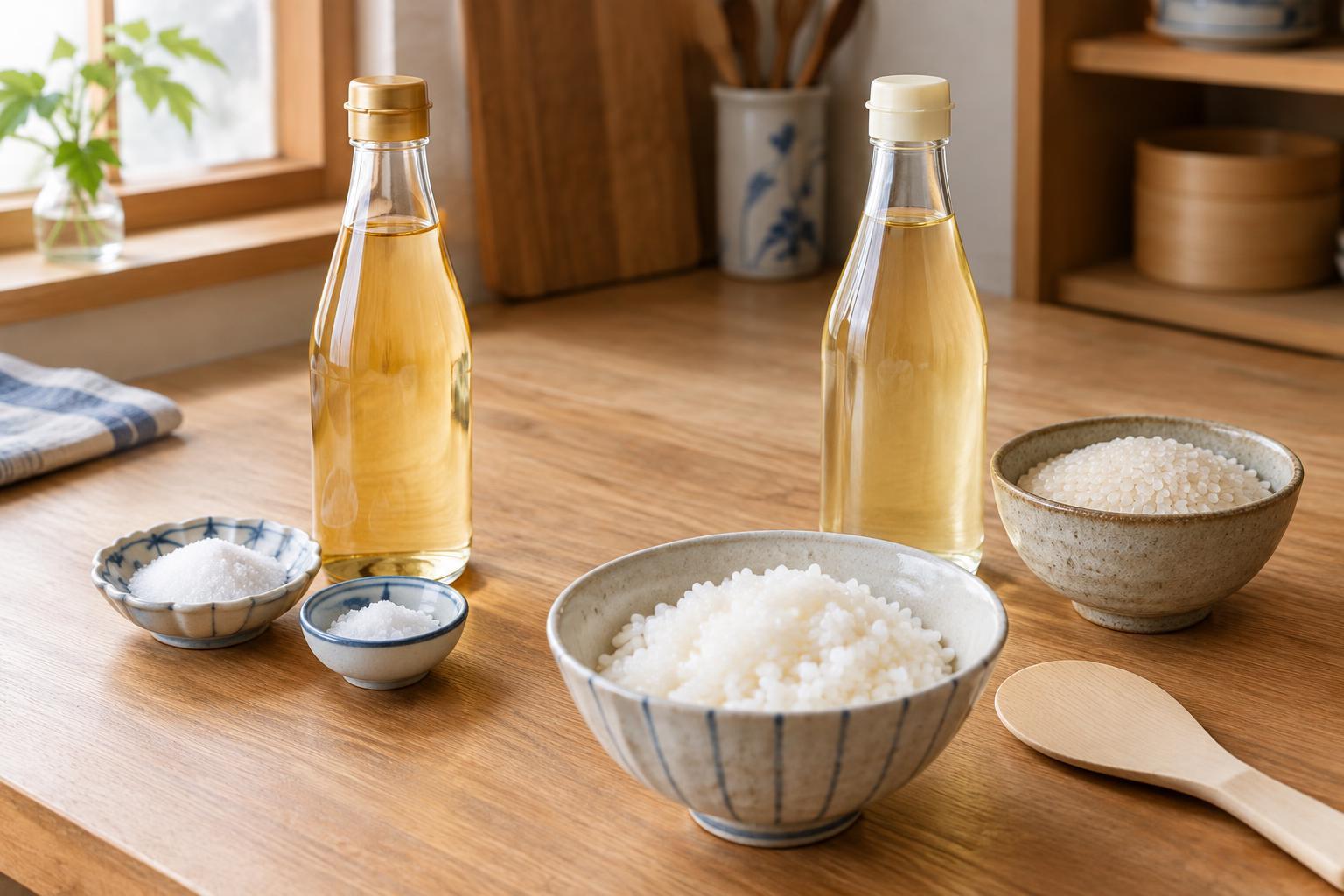
A bottle labeled cooking sake is a convenient choice for everyday meals, but check the ingredient list before buying. Some products contain added salt. These can work well, especially if they are what your local shop carries, but the salt matters when a recipe also includes soy sauce, miso or another salty seasoning. Start with a little less of those ingredients, then taste and adjust.
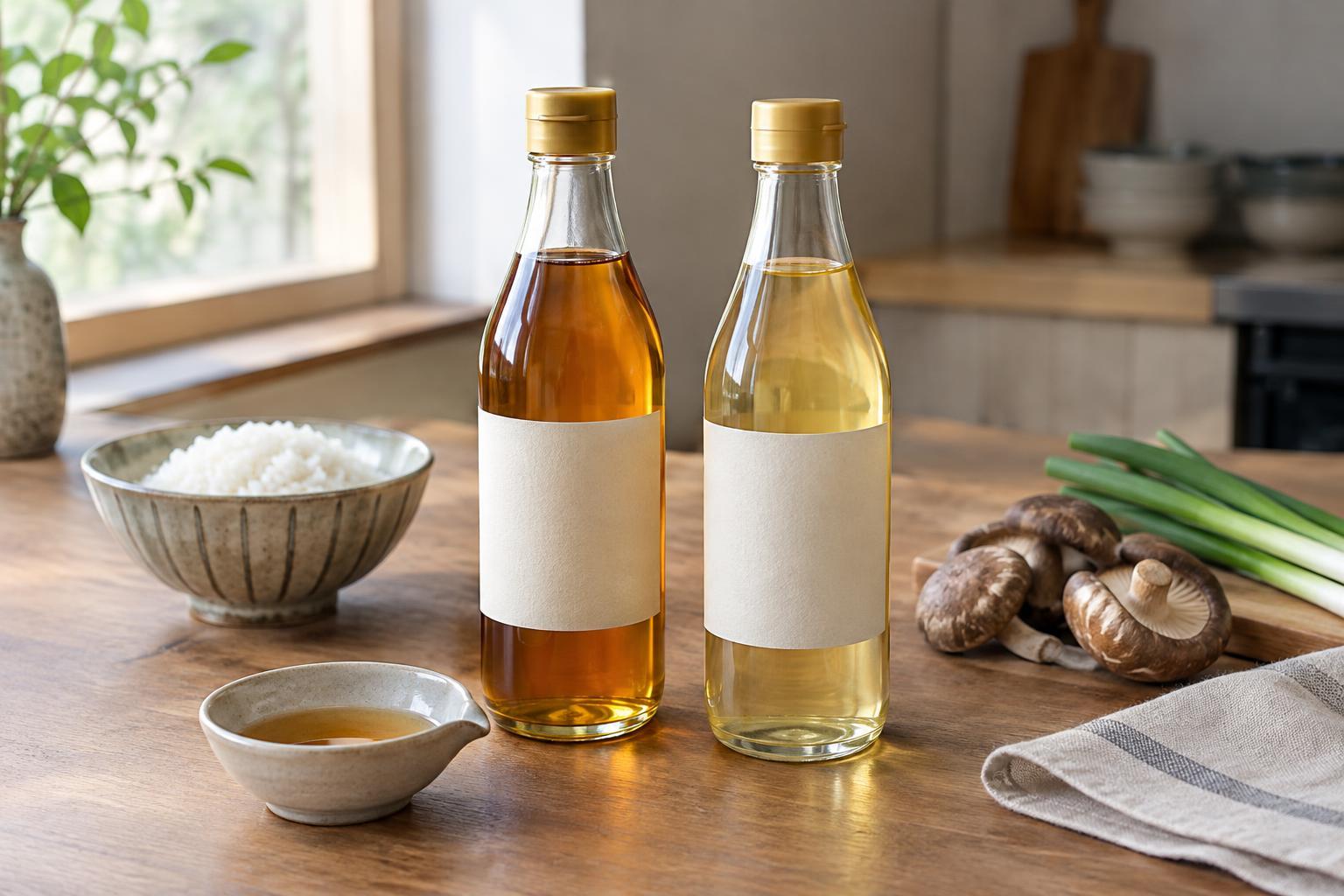
Plain, drinkable sake can also be used for cooking. You do not need an expensive bottle: choose one you would find pleasant to smell and keep it refrigerated after opening according to its label. Avoid assuming that a product labeled “cooking wine” will behave like sake; its salt, sugar and other additions may differ. If you cook Japanese food regularly, a modest-sized bottle is often more practical than a large one that sits open for months.
The simplest shopping decision is to match the bottle to your habits. Choose unsalted sake when you want the most control over seasoning. Choose salted cooking sake if it is readily available and remember to account for the salt. If a recipe calls specifically for mirin, buy mirin rather than expecting sake to supply the same sweetness.
When to add it
For a brief marinade, sake can be mixed with other seasonings and tossed with fish or sliced meat before cooking. Use the amount in the recipe rather than soaking the food in a large quantity; too much liquid can make it harder to brown. Patting the surface lightly before pan-frying can help when a recipe calls for a good sear.
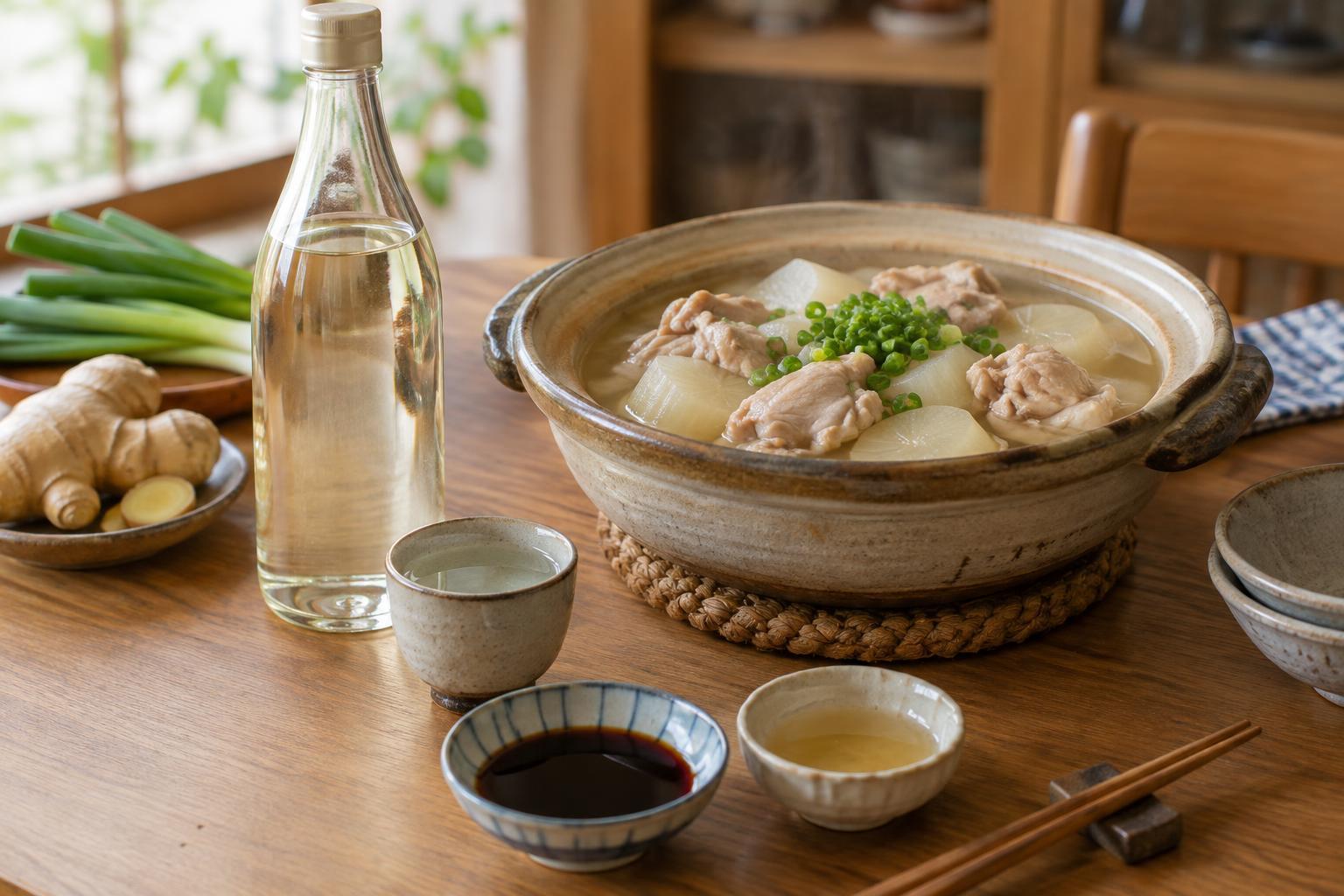
Sake is also common in simmered dishes. Add it with the other liquids and seasonings so it has time to mingle with the broth. In a quick pan sauce, add a splash after cooking the main ingredient and let it bubble before adding or reducing the remaining seasonings. This gives you a chance to scrape up flavorful bits from the pan while keeping the sauce from tasting like an uncooked mixture of ingredients.
Use sake as part of the recipe’s liquid, not automatically as an extra pour. A spoonful may be enough for a small pan sauce, while a pot of simmered food may call for more. Following the recipe the first time will give you a useful reference point for later adjustments.
How it works with familiar seasonings
A common starting combination is sake, soy sauce, mirin and a little sugar. Their proportions change with the dish: a light simmered vegetable needs a different balance from a bold glaze for chicken. Taste near the end of cooking when it is safe to do so. If the result is too salty, adding more sake alone may thin the sauce without fixing its balance; a little water or unsalted broth may be more helpful. If it is too sweet, reduce added sugar next time rather than leaving out sake by default.
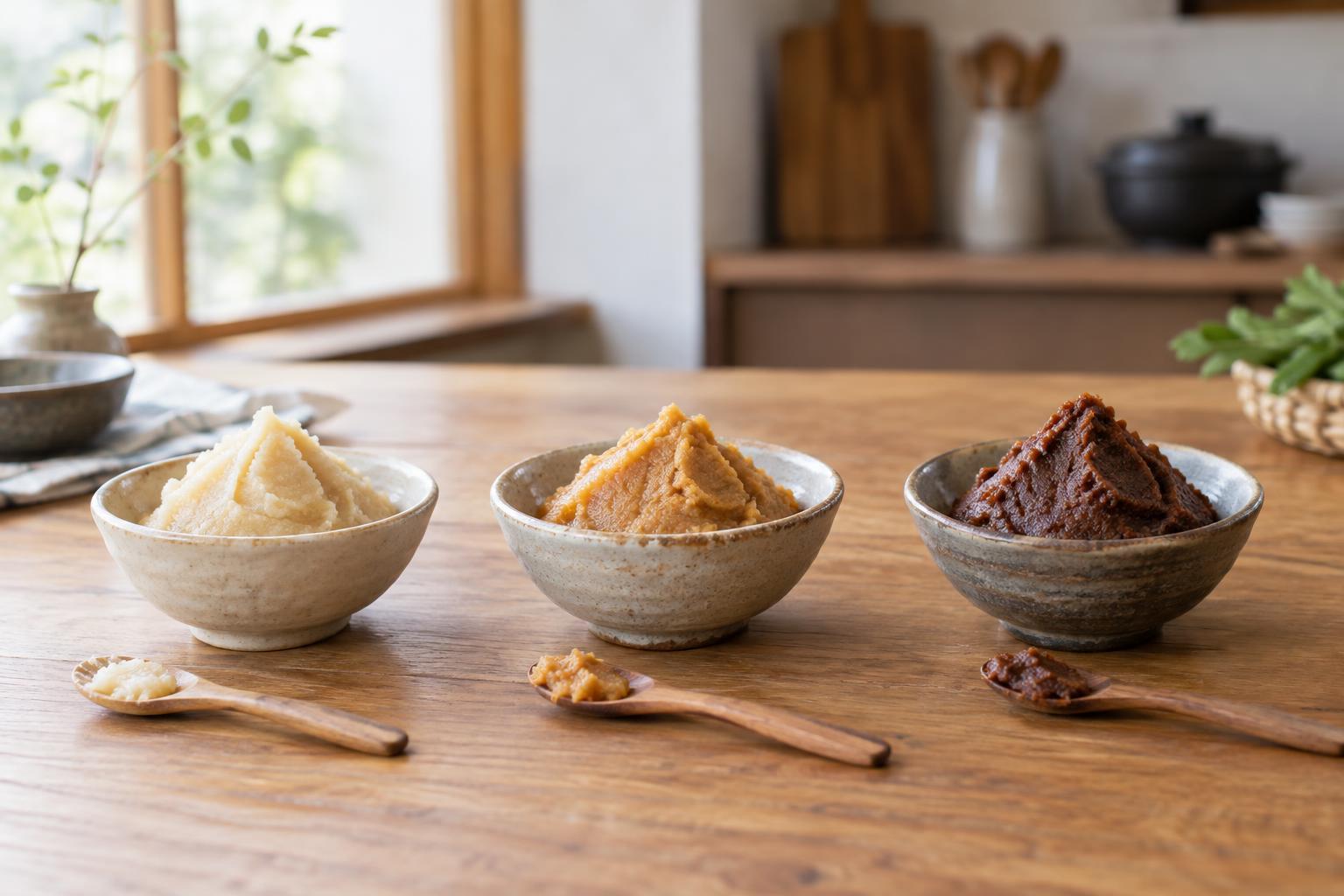
Sake can also accompany miso. Because miso is thick, mixing it with a small amount of liquid before adding it to a pan helps it disperse evenly. If your cooking sake contains salt, be especially cautious when combining it with miso: brands and recipes vary, and it is easier to add seasoning than to remove it.
If you do not want to use sake
For a small amount of sake in a savory recipe, water or an unsalted broth is a straightforward substitute for the liquid, though the dish will lose some of sake’s aroma and depth. A little diluted rice vinegar may add brightness, but vinegar is much more acidic than sake and is not a one-for-one replacement. It is usually better to leave it out than to make a simmered dish noticeably sour.
Cooking does not reliably remove all alcohol, so someone avoiding alcohol entirely should use an alcohol-free substitute rather than relying on heating. For everyone else, the most useful approach is simple: choose a bottle whose seasoning you understand, measure it as the recipe directs, and adjust salt and sweetness with the other ingredients. That is enough to make cooking sake a helpful pantry ingredient rather than a complicated one.