What umeboshi adds to a meal
Umeboshi is pickled ume fruit with a concentrated sour and salty taste. It is often served with rice, but it can also work as an ingredient: a little mashed flesh can brighten a dressing, season cooked vegetables, or provide contrast in a simple bowl of noodles. Its strong flavor makes it most useful in small amounts rather than as a direct replacement for fresh fruit.
The flesh is soft enough to mash with a fork or chopsticks after the pit is removed. That makes umeboshi easy to mix into sauces without special equipment. Think of it as an accent that supplies both acidity and salt. When adding it to a dish, taste before reaching for more soy sauce, salt, or vinegar.
Choose a style that suits your cooking
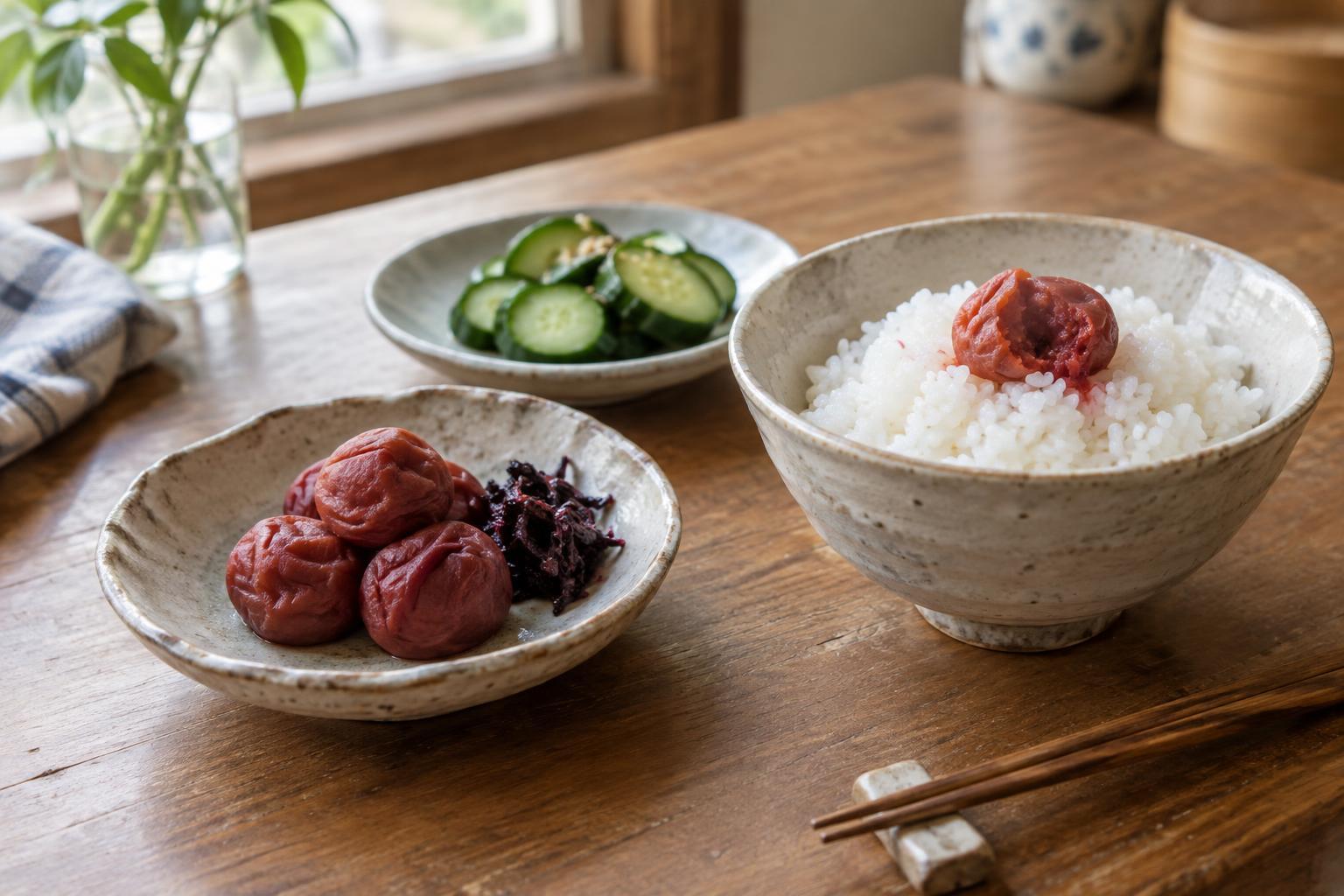
Packages vary in flavor. Some umeboshi taste assertively sour and salty; others are softened with sweeteners and may be labeled as honey-flavored. Shiso-seasoned versions can bring a herbal note and a reddish color. Read the ingredient list and any description of the flavor rather than assuming every package will taste alike. If you are new to umeboshi, a small package lets you discover which style you enjoy.
Whole umeboshi is useful when you want one piece alongside a bowl of rice. Ume paste is convenient when you expect to stir it into dressings or spreads, though its texture and seasoning may differ from a mashed whole umeboshi. Check whether a product contains pits before using it in food that will be eaten without close inspection, such as a mixed rice dish.
Start small and adjust the rest of the dish
To use whole umeboshi in a sauce, split the fruit, remove the hard pit, and mash the flesh. Stir a small dab into a spoonful of water, oil, or another liquid ingredient first. This helps distribute its flavor more evenly than dropping a lump directly into a large bowl. Taste the mixture, then add more umeboshi if needed.
For a quick vegetable dressing, combine mashed umeboshi with a little rice vinegar and neutral oil, then toss it with sliced cucumber or lightly cooked greens. The exact balance depends on the umeboshi: a very tart one may need less vinegar, while a sweetened one may need no additional sweetness. Keep other salty seasonings modest until you have tasted the finished dish.
Pair it with mild foods
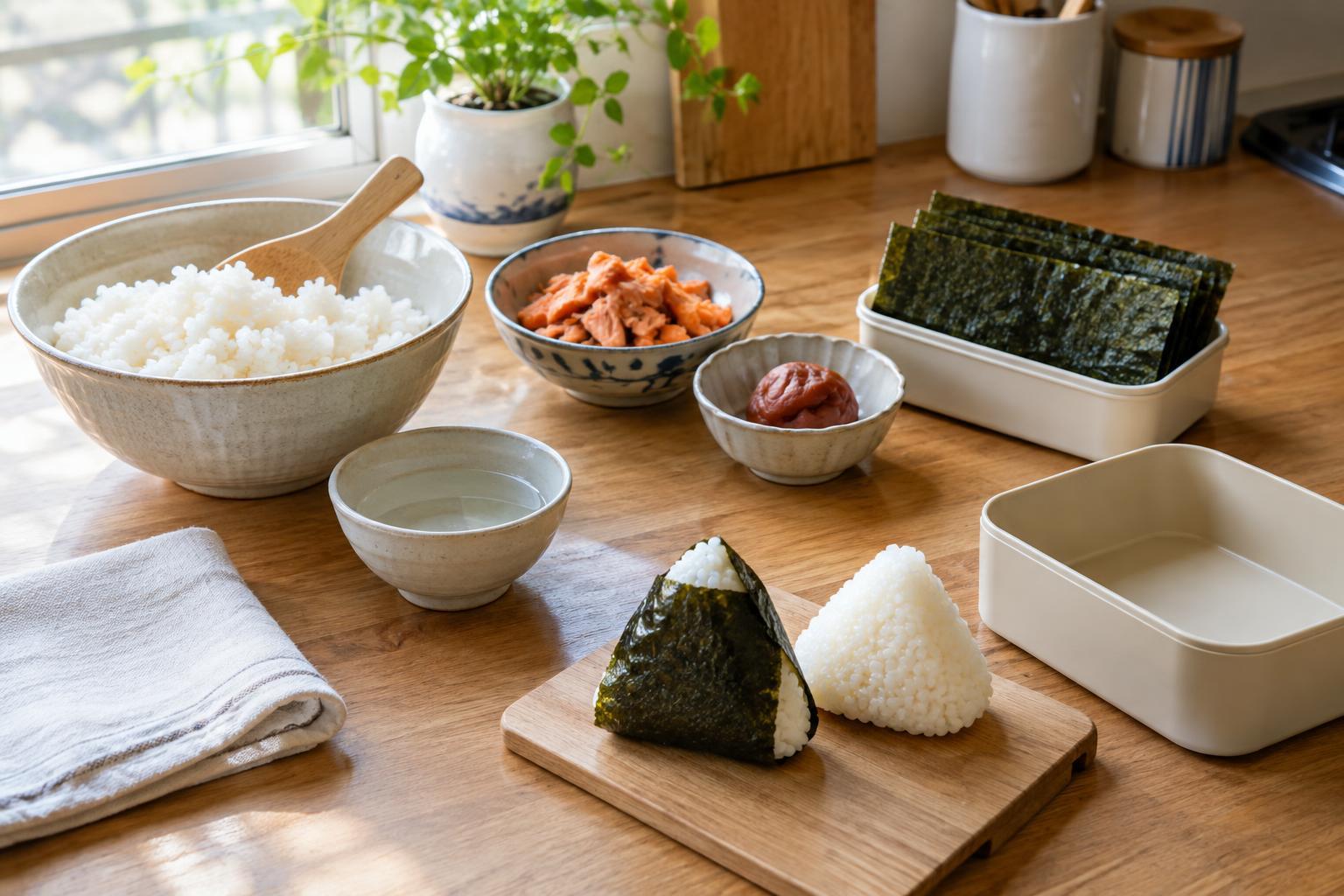
Plain rice provides an easy introduction. Serve a small piece of umeboshi beside a rice bowl so each person can choose how much to eat with each bite. For onigiri, remove the pit and tuck a little flesh into the center before shaping the rice. A concentrated filling helps the ume flavor stand out without seasoning every grain.
Umeboshi also pairs well with ingredients that have gentle flavors. Try a little mashed flesh mixed into chilled tofu toppings, folded through warm noodles, or spread thinly inside a sandwich with crisp vegetables. In each case, add it where its tartness can be noticed, then let the main ingredients remain simple. For ideas about making room for a calmer routine beyond the kitchen, browse Rest and Boundaries · The Flow Handbook.
Store it carefully and use what remains
Follow the storage directions on your particular package, especially after opening. Umeboshi products differ in their ingredients and seasoning, so one jar’s instructions should not be treated as a rule for every kind. Use a clean utensil when taking pieces from a container, close it securely, and avoid leaving it out while preparing the rest of the meal.
If you have only a little flesh left on a pit, you can briefly stir the pit into a small amount of dressing to release some flavor, then remove and discard it before serving. The hard pit is not meant to be eaten. This small habit makes it easier to enjoy umeboshi as an occasional seasoning without needing to use a whole piece every time.