Start with a small set of building blocks
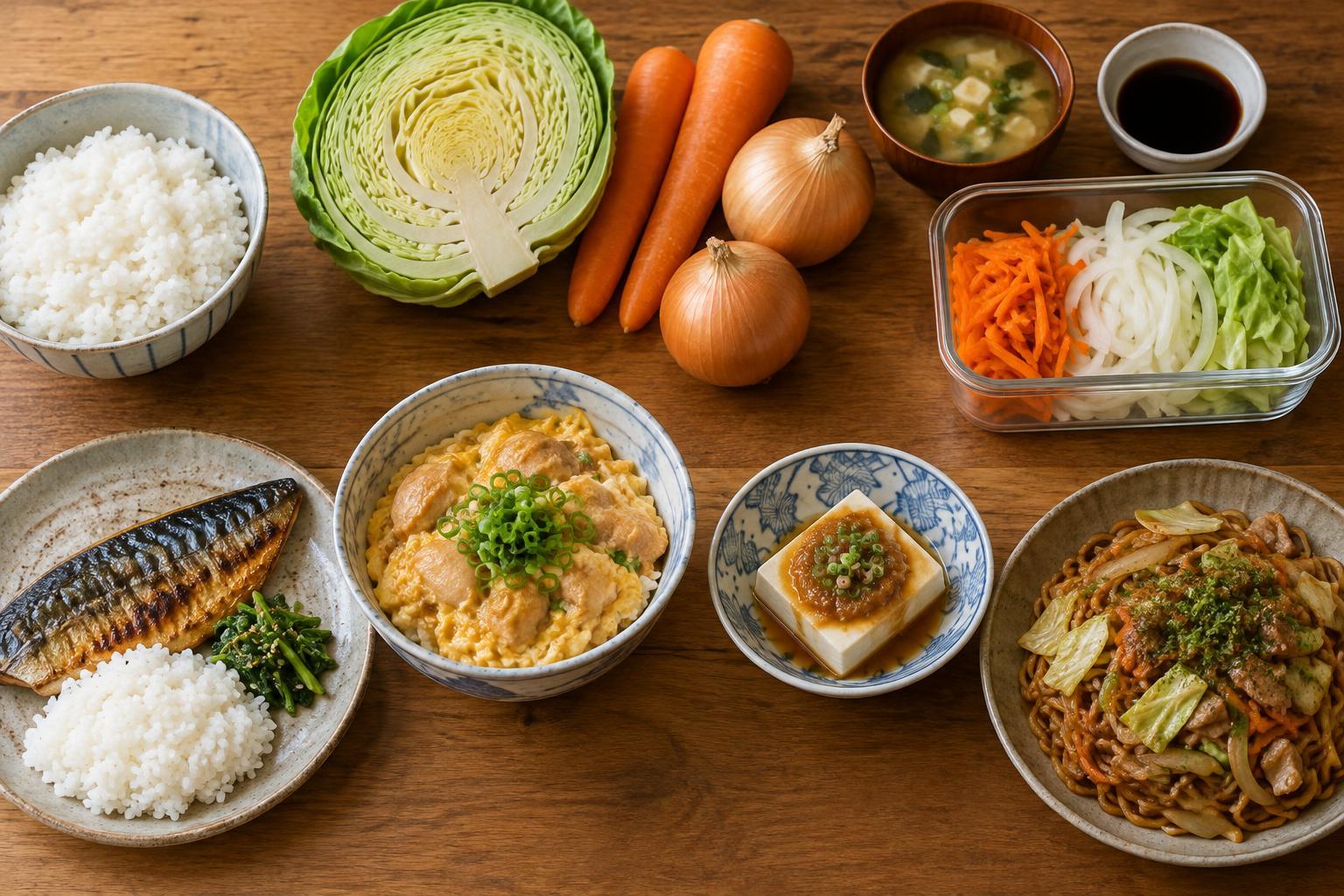
Planning five dinners does not mean cooking the same meal five times. The easier approach is to choose ingredients that can play different roles: an onion can soften into a rice-bowl topping or a curry, while cabbage can be stir-fried, tucked into noodles or served alongside tofu. Changing the cooking method and seasoning keeps the week varied.
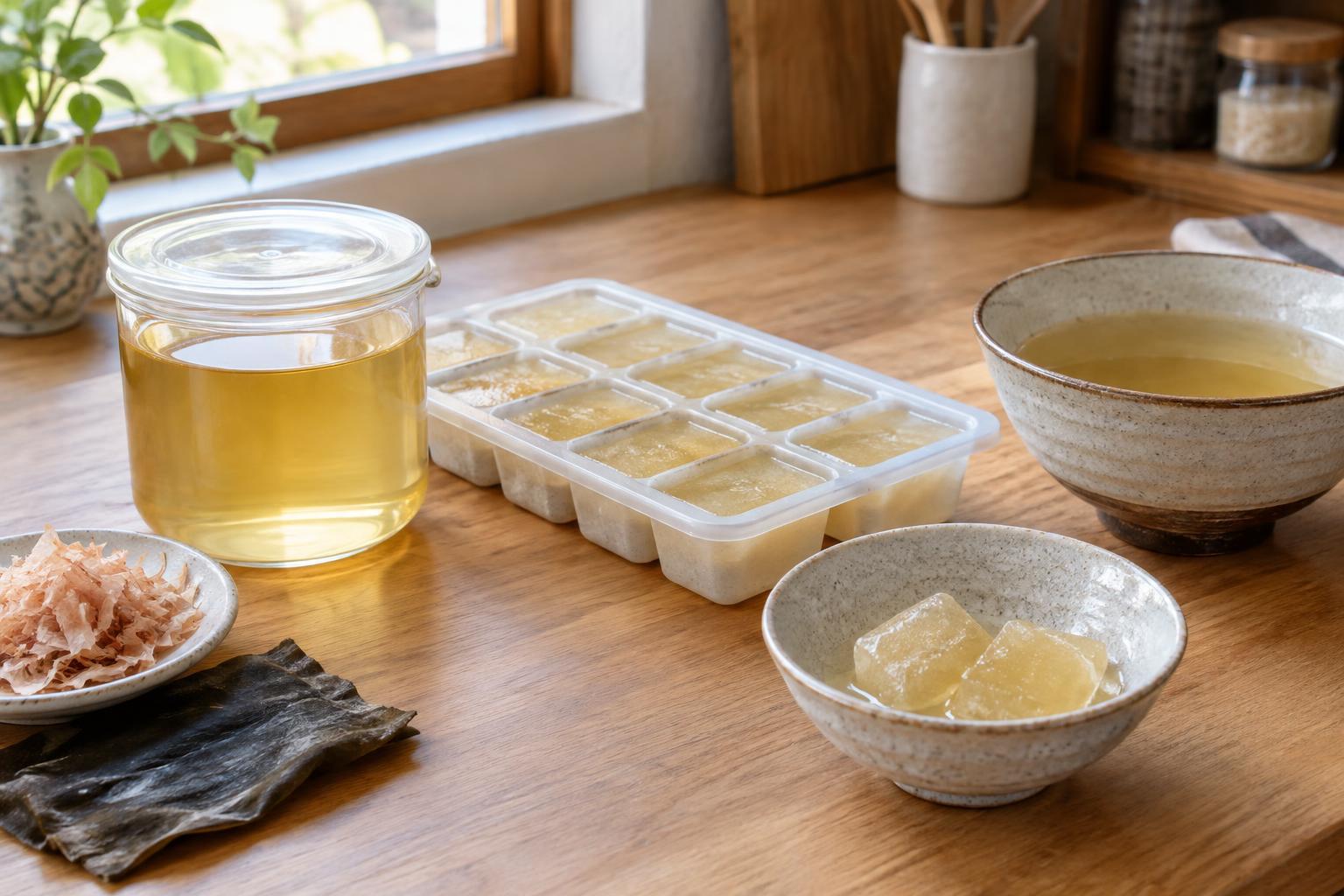
This plan uses rice for four dinners and noodles for one. Soy sauce, miso and, if you like, a small amount of mirin provide several seasoning options without requiring a different sauce for each dish. Dashi, a Japanese cooking stock, is useful for soup and oyakodon, but water and a little extra seasoning can make a practical weeknight substitute. Check packaged seasonings if you need to avoid particular ingredients: dashi and curry roux vary.
Shop once for ingredients with several jobs
For two people, start with enough rice for four dinners, two portions of yakisoba noodles, two fish fillets, a modest amount of boneless chicken, one block of firm tofu and four eggs. For vegetables, choose a small cabbage, several onions and carrots, a pack of mushrooms, a couple of potatoes, a cucumber and a bunch of spinach. Adjust amounts to your appetites; the aim is to use ingredients in more than one meal, not to follow a rigid shopping list.
From the pantry, gather soy sauce, miso, cooking oil and Japanese curry roux. Mirin, sesame seeds and packaged yakisoba sauce are helpful but optional. If your noodles come with seasoning packets, you may not need a separate yakisoba sauce. For a vegetarian version, replace the fish and chicken dinners with additional tofu or mushrooms, and choose dashi and curry roux that suit your needs.
Do the prep that will actually save time
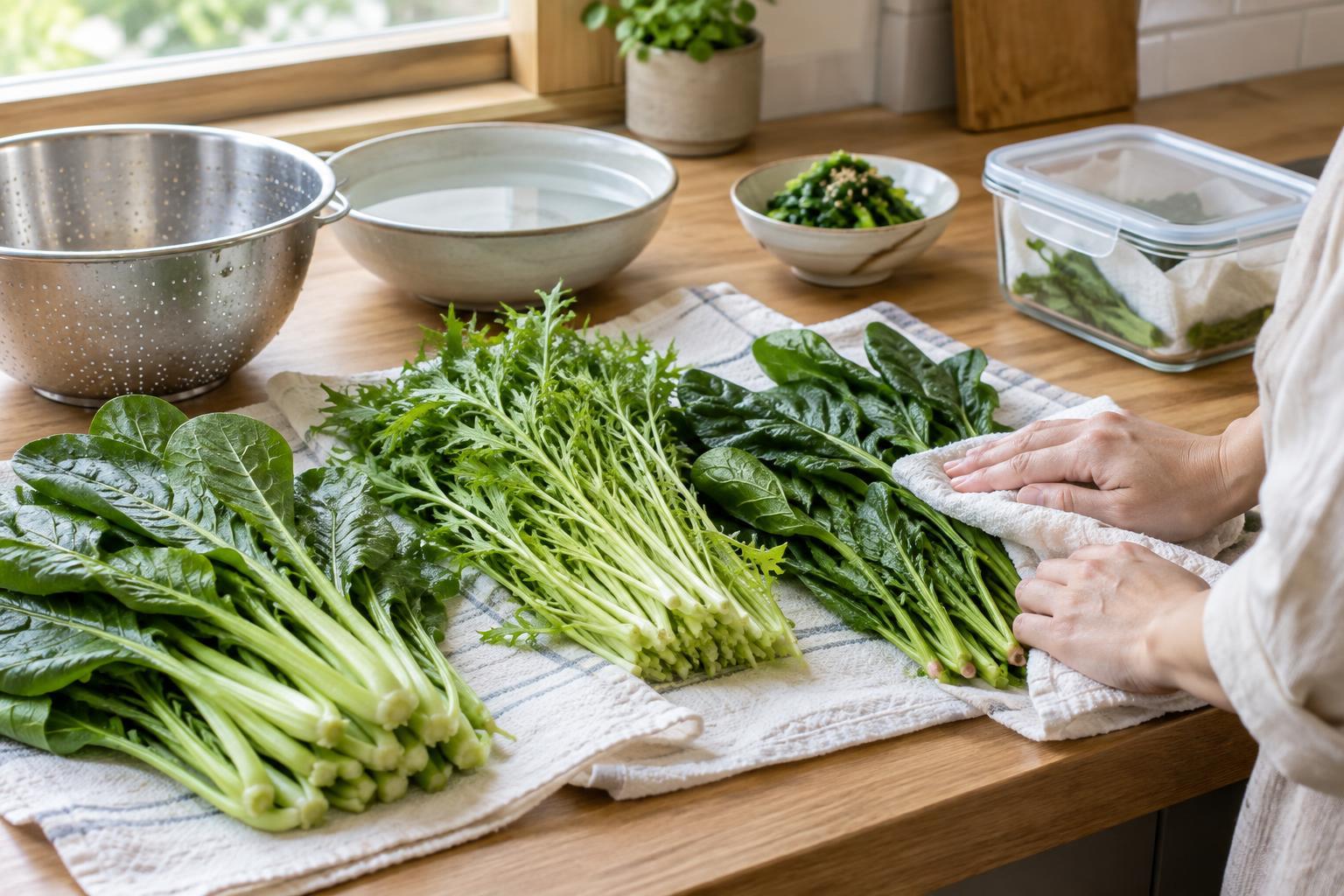
At the start of the week, wash the spinach and cucumber and chop some cabbage, carrots and onions. Keep cut vegetables covered in the refrigerator, with the cucumber separate so it stays crisp. Leave the potatoes whole until curry night, when cutting them takes only a few minutes. If you prefer freshly cooked rice, measure portions in advance rather than cooking a large batch.
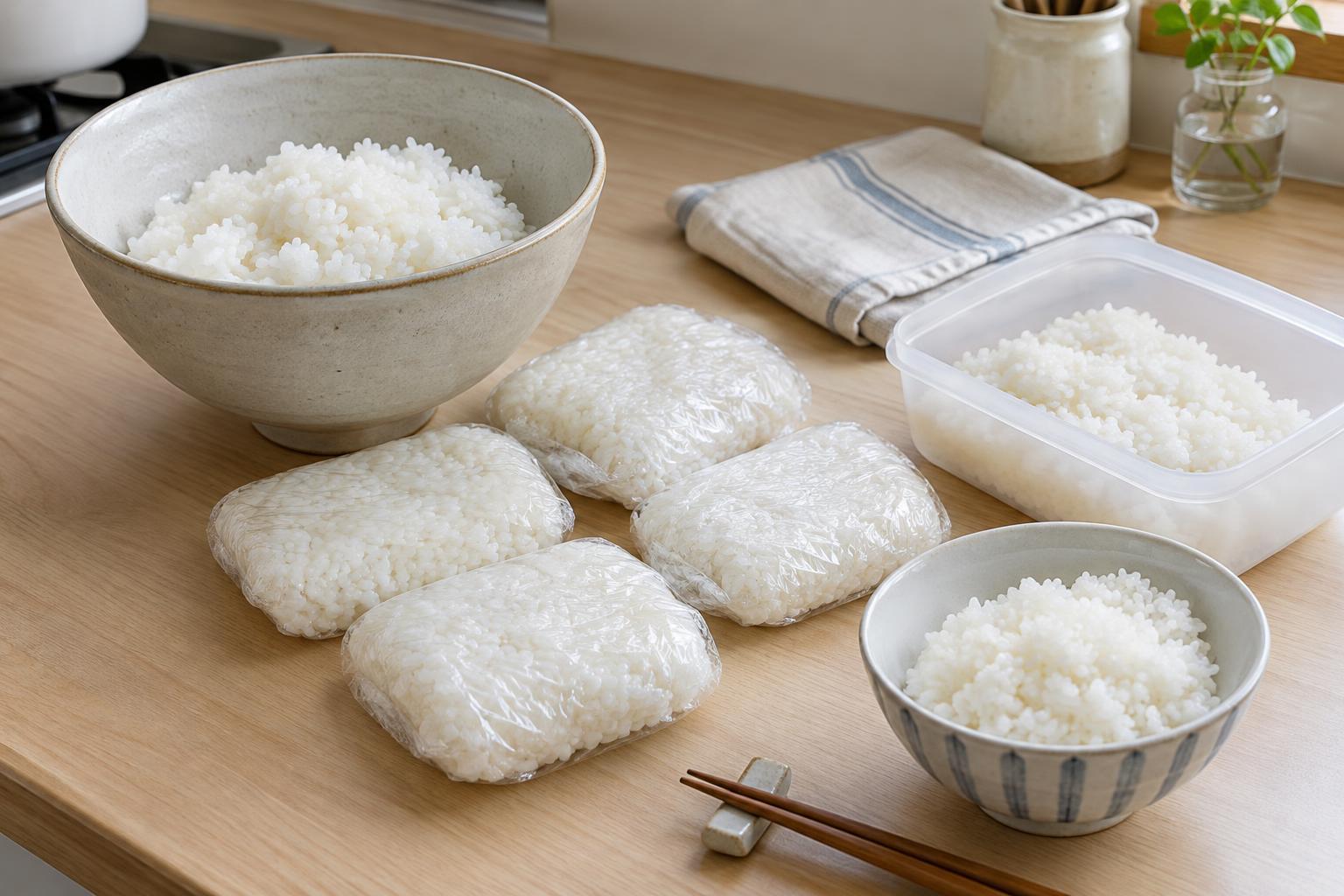
Alternatively, cook extra rice and portion it for later meals. Cool it promptly, refrigerate what you will use soon and freeze portions intended for later in the week. Reheat rice until steaming hot. Keep raw fish and chicken separate from ready-to-eat ingredients, and follow the storage directions on their packaging. These small habits make the plan more useful than a long weekend cooking session that leaves you with tired vegetables.
Give each night a different shape
Monday: Grill or pan-cook the fish and serve it with rice and sliced cucumber. Make a quick miso soup with some mushrooms and a little cabbage. Starting with the fish avoids leaving a delicate ingredient waiting until the end of the week; frozen fish is another option if your schedule may change.
Tuesday: Make oyakodon, a chicken-and-egg rice bowl. Simmer sliced onion and bite-size chicken pieces in a little dashi or water seasoned with soy sauce and optional mirin. When the chicken is cooked through, add beaten egg and cook it to your preferred doneness. Spoon everything over rice. The onion becomes the basis of a sauce rather than just another side vegetable.
Wednesday: Sear slices of firm tofu and stir-fry them with cabbage. Add a spoonful of miso loosened with water and a little soy sauce, then toss until the vegetables are tender and coated. Serve over rice with briefly cooked spinach on the side; sesame seeds make a simple finish. Thursday: Stir-fry yakisoba noodles with carrots, cabbage, mushrooms and egg. Use the packet seasoning or a small amount of yakisoba sauce, tasting before adding more.
Friday: Make a vegetable curry with the remaining onions, carrots and mushrooms, plus diced potatoes. Simmer the vegetables in water until tender, then add curry roux according to its package directions and serve over rice. A few cabbage leaves can go into the pot too. The curry gives the week’s shared vegetables a new texture and flavor without requiring another main protein.
Keep the plan flexible
Think of the five dinners as a sequence, not a strict calendar. If the fish is frozen, the noodle night can move earlier. If you have more cabbage than expected, add it to the curry or serve it finely shredded with the fish. When a vegetable runs short, increase another one rather than making a special trip for a single ingredient.
Before shopping again, note what was left: perhaps your household needs less rice, more noodles or a second block of tofu. That small adjustment turns a shared-ingredient plan into a repeatable weeknight routine while leaving room for the dishes you most enjoy.