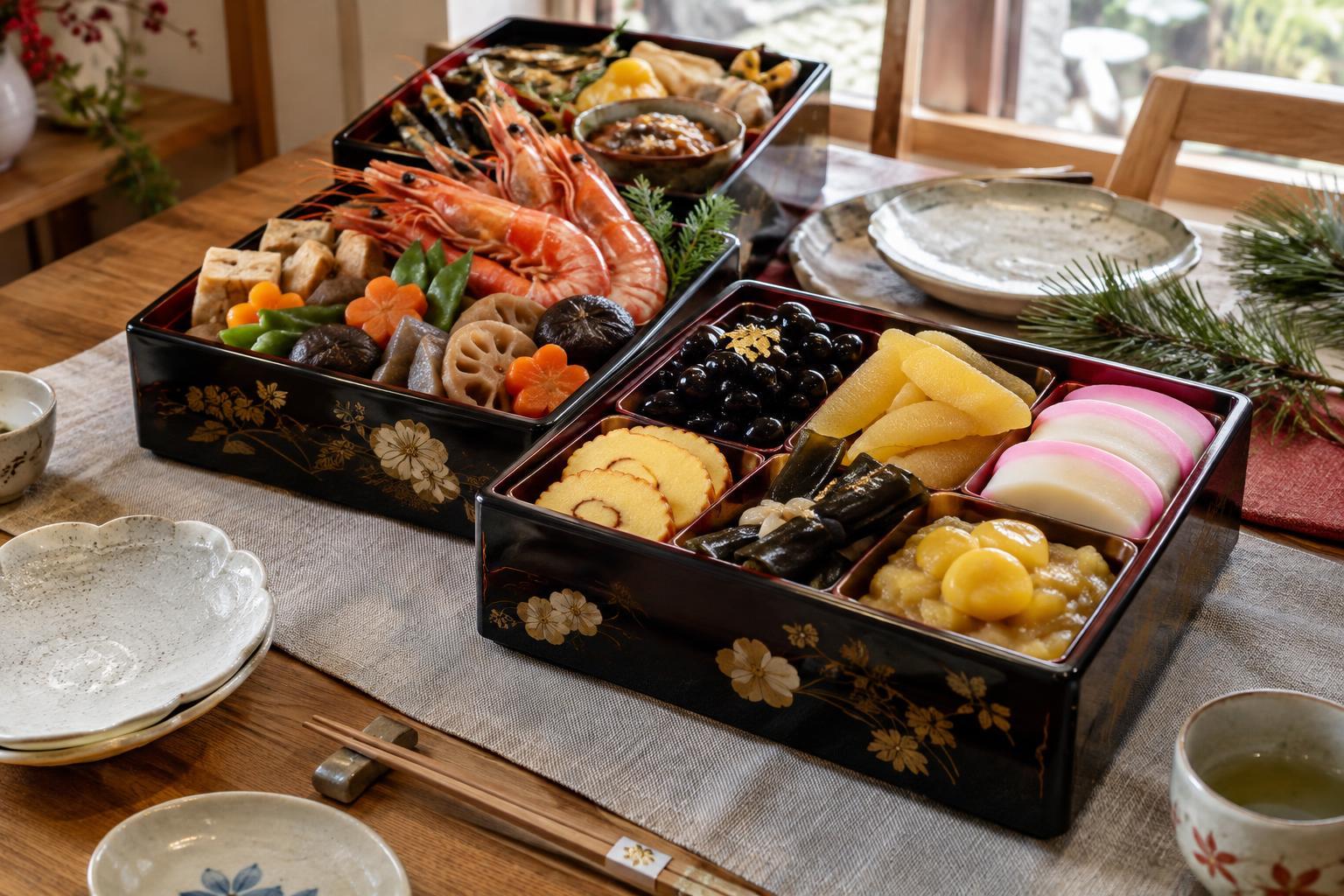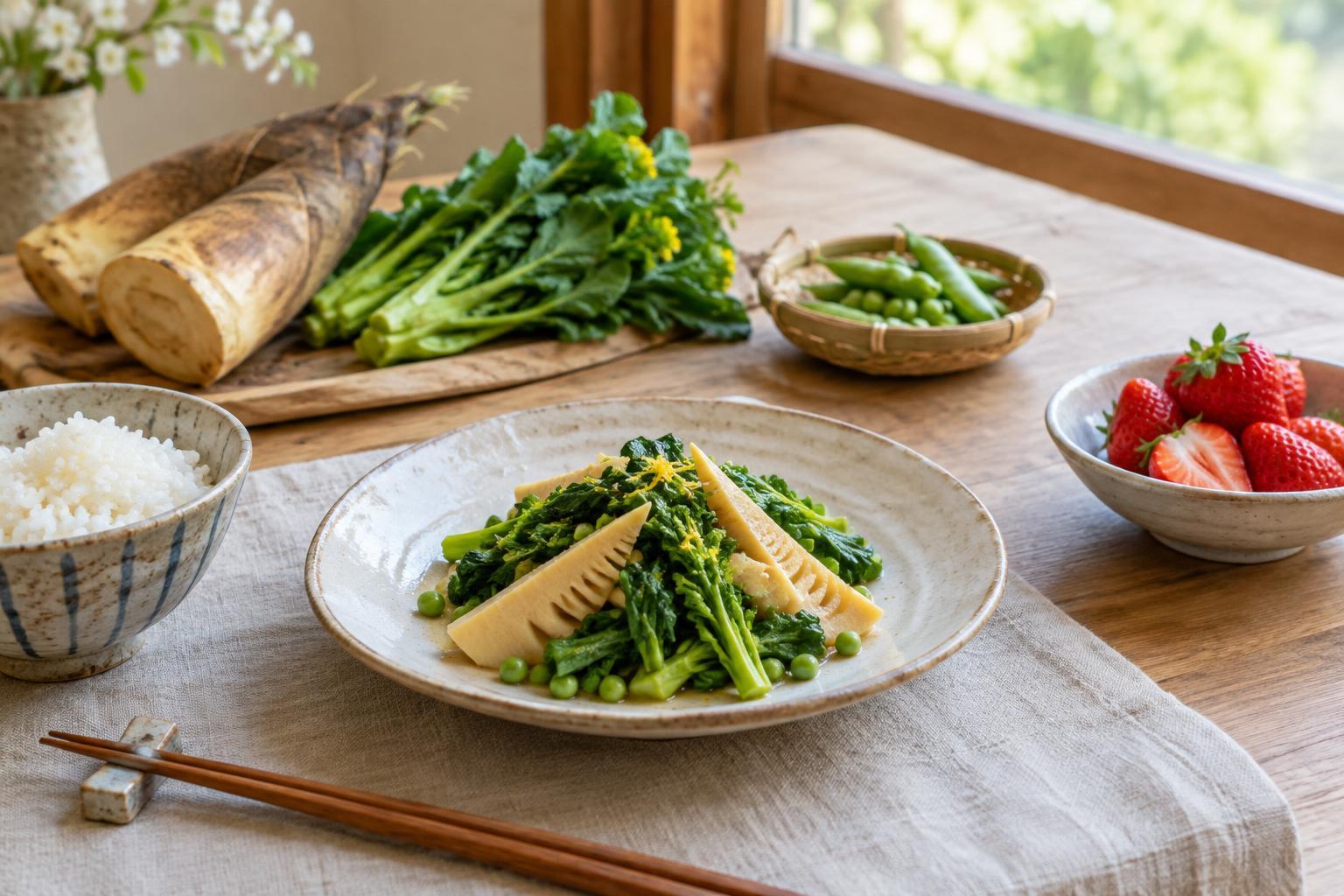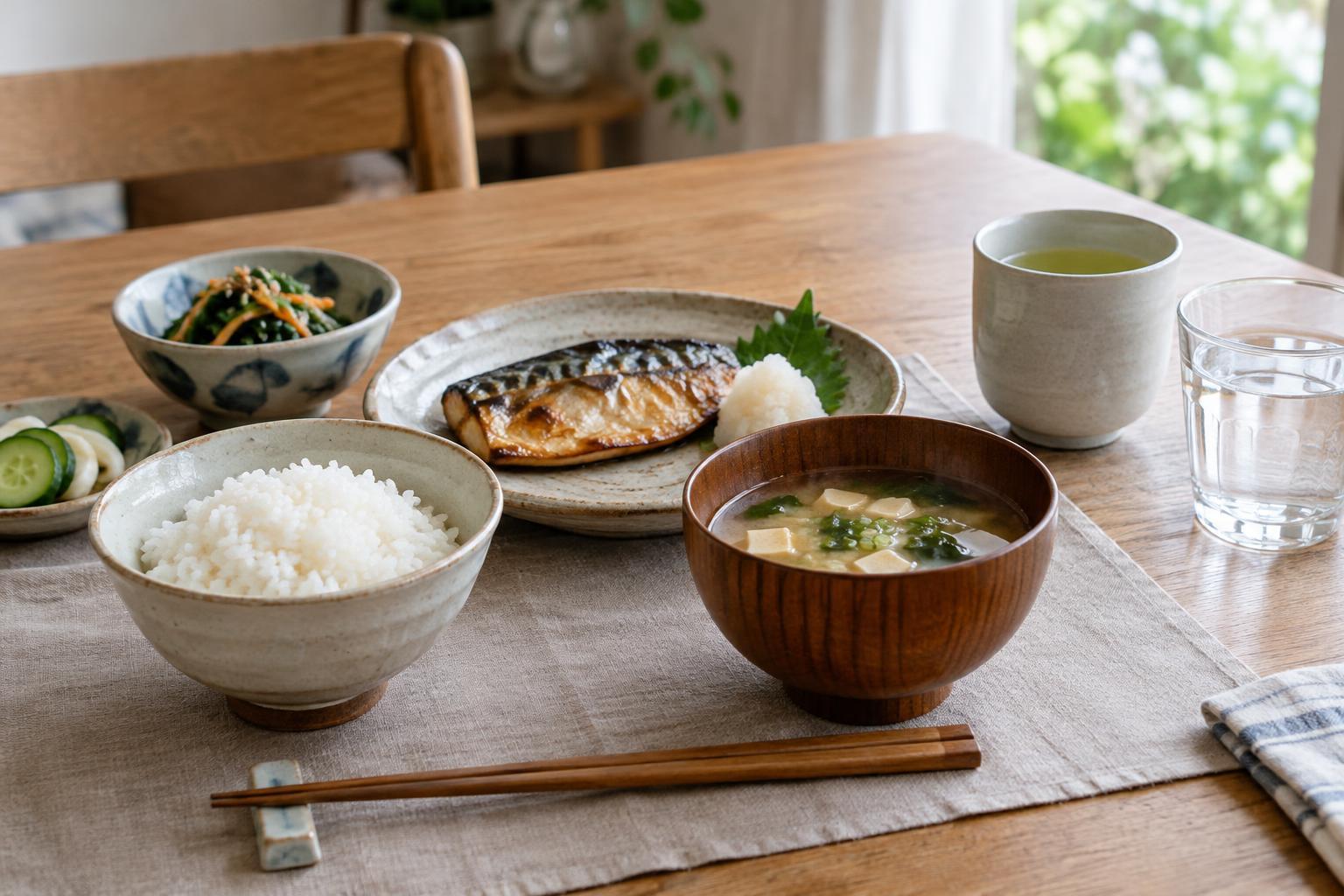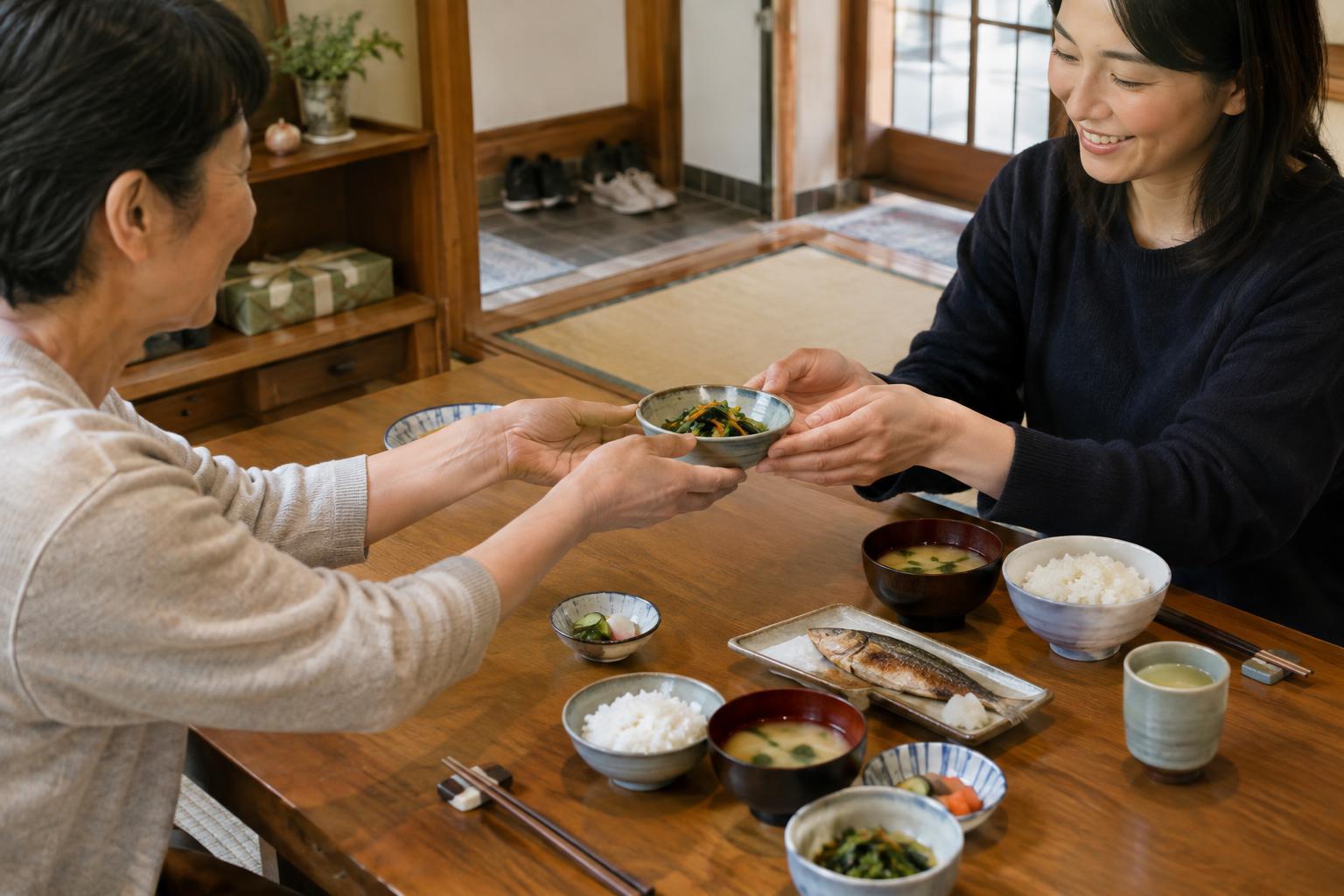
Let the household set the pace
A meal in someone’s home is not a test of perfect etiquette. Japanese households differ in their routines, just as households do anywhere else. Your best starting point is to arrive when expected, greet your host warmly and follow their lead. If you are unsure where to put a coat, bag or umbrella, ask rather than guessing.
At the entrance, look for the place where outdoor shoes come off. Many homes have a genkan, an entry area with a step up into the living space. Remove your shoes before stepping up, and place them neatly where your host indicates. Slippers may be offered; some households also keep separate slippers for the bathroom. If you are uncertain which pair to use, a quick question is more considerate than trying to memorize a rule.
You may hear or use expressions such as ojama shimasu when entering. It conveys the sense of politely coming into someone else’s space, but you do not need to force unfamiliar phrases. A sincere greeting in a language you can use comfortably works well, too.
Bring something modest, and mention needs early
A small gift can be a kind gesture, especially if you are visiting for the first time. Something easy to share or store, such as packaged sweets or tea, is often simpler for a host than a dish that needs immediate preparation. Keep the gift modest; the point is to thank the household, not to create an obligation. Hand it over when there is a natural moment, and do not be disappointed if it is set aside rather than opened at once.
If you have a food allergy, dietary restriction or ingredient you cannot eat, tell your host before the day of the meal if possible. This gives them room to plan without a stressful conversation at the table. Be clear about what you need, particularly if an ingredient can appear in stocks or sauces. If you are simply unfamiliar with a food, it is fine to ask what it is. Curiosity is welcome when it does not put pressure on the cook to defend their choices.
Follow the rhythm of the table
Wait until your host shows you where to sit and when to begin. Some meals are served as individual trays or place settings; others include dishes for everyone to share. Itadakimasu is commonly said before eating, and gochisousama deshita is a way to express thanks after the meal. If the household uses these phrases, you can join in, but attentive thanks in your own words are also meaningful.
When serving yourself from a shared plate, take a reasonable portion and check whether serving utensils are provided. If there are none, follow the host’s example or ask. Passing dishes and making sure others have access to them is a simple way to help the meal flow. You need not finish every shared dish to show appreciation, and you need not take seconds unless you want them.
A specific compliment often feels more natural than repeated praise: you might mention the comforting broth, the crisp texture of a vegetable or how well two dishes go together. If your host has cooked several things, showing interest in what they made can be a generous response without turning dinner into an interview.
Use chopsticks with care, not anxiety
If you use chopsticks, a few habits are worth knowing. Do not leave them standing upright in a bowl of rice or pass food directly from one pair of chopsticks to another; these gestures can evoke funeral customs. Rest chopsticks on the holder provided, or ask where to set them. Avoid pointing with them or using them to move dishes across the table.
Beyond that, concentrate on eating comfortably. It is fine to ask for a spoon or fork if you need one. Bowls of rice or soup are often lifted closer to the mouth, which can make eating neater. For soup, the broth may be sipped from the bowl while solid pieces are picked up with chopsticks. Watch how the meal is served and adapt; there is no need to turn every bite into an etiquette exercise.
Offer help, then respect the answer
Near the end of the meal, offer to help clear the table or wash dishes. If your host declines, accept the answer rather than insisting. People organize their kitchens differently, and an extra pair of hands is not always useful. If they welcome help, ask where things belong before stacking bowls, loading a dishwasher or handling anything delicate.
Thank your host before leaving, and mention something you enjoyed about the time together as well as the food. A short message afterward is another thoughtful touch. The most dependable form of guest etiquette is straightforward: notice what makes the household comfortable, communicate your needs kindly and treat the meal as time shared with people, not a performance of perfect manners.